Ever wondered why gamers push their hardware limits? Overclocking is a popular technique that boosts your CPU or GPU clock speed beyond factory settings. This guide dives deep into why overclocking for gaming can significantly improve performance, offering smoother frame rates and faster load times. You will discover the practical benefits and understand how it enhances your gaming experience. We cover everything from gaining a competitive edge in esports to simply making your favorite single-player titles look and feel better. Learn about the considerations like cooling and stability, ensuring you make informed decisions before tweaking your system. This comprehensive resource helps you navigate the world of hardware optimization and unleash your PC's full potential for an unparalleled gaming journey. Get ready to elevate your gameplay with valuable insights and practical tips.
Latest Most Asked Forum discuss Info about why overclock for gaming
Welcome to our ultimate living FAQ dedicated to the burning question: "Why overclock for gaming?" We've compiled the latest insights, forum discussions, and essential information to guide you through the exciting world of hardware optimization. This comprehensive resource is regularly updated to reflect current trends and best practices, ensuring you have the most relevant knowledge at your fingertips. Whether you're a seasoned enthusiast or just starting to explore performance tweaks, this guide aims to answer all your pressing questions, helping you unlock your gaming PC's full potential and resolve any common concerns you might encounter.
Beginner Questions
Is overclocking safe for my CPU and GPU?
Yes, modern hardware generally includes safeguards to prevent damage, like automatic shutdowns if temperatures get too high. When done carefully, with proper cooling and voltage adjustments, overclocking is relatively safe. Start with small increments and thoroughly test for stability to ensure component longevity and prevent issues.
What kind of performance boost can I expect from overclocking?
The performance boost varies widely based on your specific hardware and the game. You might see anywhere from a 5% to 20% increase in frame rates, providing smoother gameplay and potentially allowing higher graphical settings. Older hardware often shows more noticeable percentage gains, extending its competitive relevance.
Performance Gains
Does overclocking really improve FPS in games?
Absolutely, overclocking directly improves FPS. By increasing your CPU or GPU clock speeds, components process more data and render more frames per second. This leads to a visibly smoother and more responsive gaming experience, particularly in demanding AAA titles or competitive esports. It helps to resolve framerate dips.
Can overclocking make my games run smoother without upgrading hardware?
Yes, that's one of its primary benefits. Overclocking allows you to extract additional performance from your existing CPU and GPU, often achieving frame rates comparable to a slightly newer component. This extends the usable life of your current hardware, delaying the need for costly upgrades. It's a smart Guide for budget-conscious gamers.
Safety Concerns
Will overclocking shorten the lifespan of my gaming components?
While aggressive overclocking without proper cooling can theoretically shorten lifespan, a moderate and stable overclock with good thermals usually has a negligible effect. Modern components are robust, and their design includes thermal and power protections. Sensible overclocking is generally safe for component longevity.
What are the main risks associated with overclocking for gaming?
The main risks include system instability (crashes), increased heat generation, and slightly higher power consumption. Improper voltage settings or insufficient cooling can lead to performance throttling or, in rare cases, hardware degradation. Always prioritize stability and monitor temperatures closely to mitigate these risks.
Required Hardware
Do I need a special motherboard to overclock my CPU?
Yes, you typically need a motherboard with a specific chipset that supports overclocking. For Intel CPUs, look for Z-series chipsets (e.g., Z390, Z490, Z590, Z690). For AMD CPUs, X-series (e.g., X470, X570, X670) or certain B-series (e.g., B450, B550, B650) motherboards are usually required. Check your motherboard's specifications carefully.
Is a powerful cooling solution essential for overclocking?
A powerful cooling solution is absolutely essential for safe and stable overclocking. Increased clock speeds and voltages generate more heat, which must be efficiently dissipated to prevent throttling or damage. A high-quality air cooler or an AIO liquid cooler is strongly recommended over stock cooling solutions. This is a critical part of any Guide.
Specific Game Benefits
Which types of games benefit most from CPU overclocking?
CPU-intensive games, such as open-world titles (e.g., Grand Theft Auto V), strategy games (e.g., Civilization VI), or simulations (e.g., Microsoft Flight Simulator) with complex AI and physics, benefit significantly from CPU overclocking. It improves minimum frame rates and reduces stuttering, ensuring smoother gameplay. This can help to Resolve performance bottlenecks.
How does GPU overclocking affect competitive esports titles?
GPU overclocking significantly boosts frame rates in competitive esports titles like CS:GO, Valorant, or Apex Legends. Higher, more consistent FPS provides a crucial competitive advantage, allowing for quicker reactions, smoother visuals, and reduced input lag. Every extra frame can contribute to better performance in high-stakes matches.
Software & Tools
What software do I need to monitor my system while overclocking?
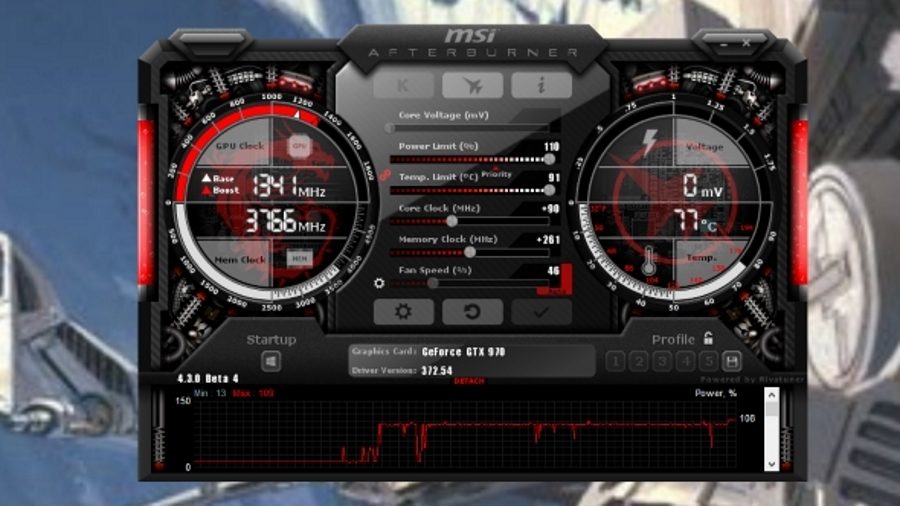
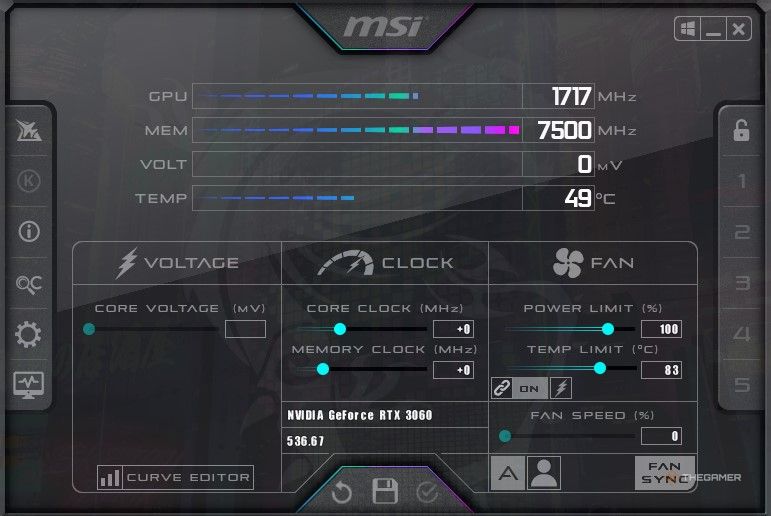
Essential software for monitoring includes HWMonitor or HWiNFO64 for overall system stats, and MSI Afterburner for detailed GPU monitoring and overclocking. These tools display critical information like temperatures, clock speeds, and voltages, allowing you to track your system's behavior during tuning and stress testing. They are a vital part of any overclocking Guide.
Are there good tools for stress testing my overclocked system?
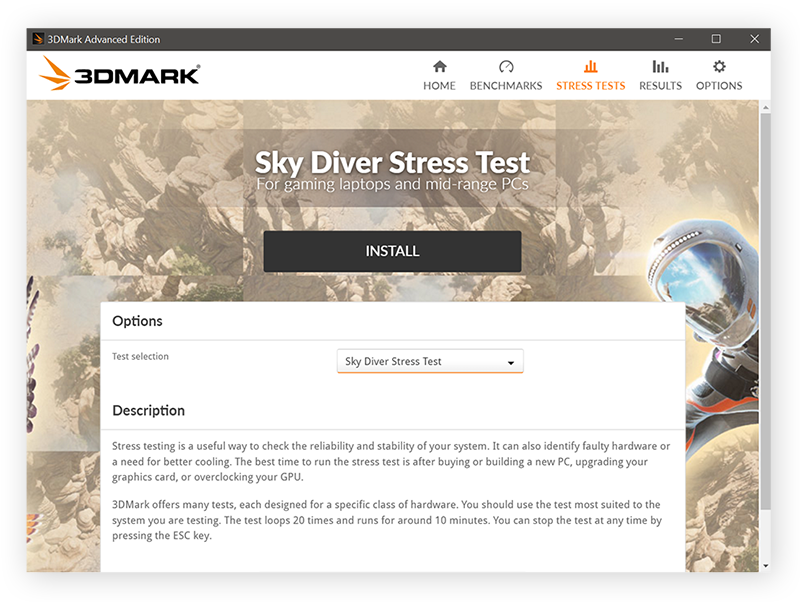
Yes, several reliable tools exist for stress testing. For CPU stability, Prime95, Cinebench R23, or OCCT are excellent choices. For GPU stability and thermal testing, FurMark or Unigine Heaven Benchmark are commonly used. Thorough stress testing ensures your overclock is stable under heavy load. This helps to Resolve potential instability issues.
Troubleshooting
My PC crashes after overclocking; what should I do?
If your PC crashes, it means your overclock is unstable. You should immediately reduce your clock speeds and/or voltages. Revert to previous stable settings, then make smaller adjustments and retest. Ensure your cooling is adequate and that temperatures are within safe limits. Reviewing your steps carefully can often help to Resolve the problem quickly.
Why are my temperatures so high after overclocking?
High temperatures indicate that your cooling solution might be insufficient for the increased heat generated by the overclocked components. Ensure your cooler is properly seated and functioning, thermal paste is applied correctly, and your case has good airflow. Reducing clock speeds or increasing fan curves can also help manage heat. This is a common Related search for new overclockers.
Myth Busting
Does overclocking void my hardware warranty?
Overclocking can potentially void your hardware warranty, though policies vary by manufacturer. Some explicitly state it, while others might be more lenient. If you need to RMA a component, it's generally best to revert to stock settings before sending it in. Check your specific manufacturer's warranty policy before proceeding with overclocking.
Is overclocking only for expert users?
While extreme overclocking does require expertise, basic and moderate overclocking has become much more accessible. Many modern CPUs and GPUs offer user-friendly software tools, and there are countless online Guides and communities to help beginners. Starting with modest tweaks makes it manageable for most tech-savvy users. This demystifies the process for many.
Advanced Tips
Should I manually overclock or use auto-overclocking features?
Manual overclocking generally yields better, more stable results and allows for fine-tuning specific settings. Auto-overclocking features (e.g., in BIOS or software) can offer a quick, albeit often less optimal, performance boost. For maximum performance and stability, a carefully tuned manual overclock is usually preferred by enthusiasts. This is a key part of any advanced Guide.
What's the importance of LLC (Load Line Calibration) in CPU overclocking?
Load Line Calibration (LLC) helps maintain a stable CPU voltage under load, preventing significant voltage drops (Vdroop). Proper LLC settings are crucial for CPU overclocking stability, as inconsistent voltage can lead to crashes. Experiment with different LLC levels to find the one that keeps your voltage most consistent without overshooting. This advanced setting helps to Resolve fluctuating power delivery.
The Future of Overclocking
How do newer CPU architectures affect overclocking potential?
Newer CPU architectures often come with advanced features like
Hey everyone, I've seen many of you asking, 'Why overclock for gaming?' And honestly, that's a super valid question to consider. People often wonder if it's truly worth the extra effort or just something for serious tech enthusiasts. I understand, diving into your PC's internal settings can certainly feel a bit intimidating. But I'm here to tell you, from my own personal experience, there are compelling reasons to give your gaming rig an extra performance push. You're basically unlocking hidden potential in hardware you already own, often without needing to buy new parts.
A lot of folks think overclocking is only for extreme users, but that's not really the full picture. It's a way to get more out of your existing investment, squeezing out those extra frames per second (FPS) that can really make a difference. We're talking about smoother gameplay, faster reactions in competitive titles, and just an overall snappier system. So, let's dive into the core reasons why you might want to explore overclocking for your gaming setup.
What Exactly is Overclocking For Gaming?
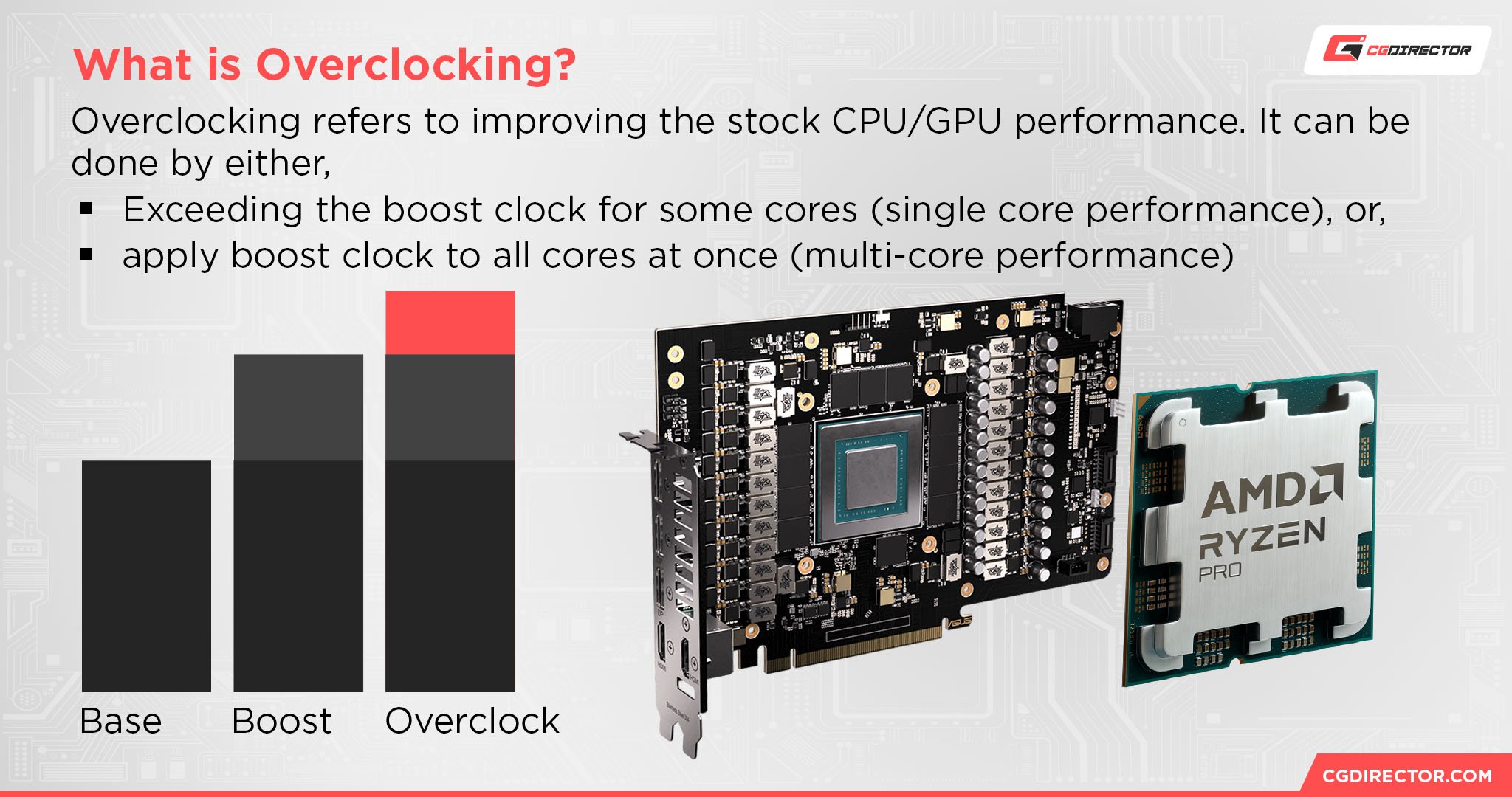
Overclocking basically means pushing your computer components beyond their factory-set speed limits. Your CPU (Central Processing Unit) and GPU (Graphics Processing Unit) come with a default clock speed from the manufacturer. Overclocking increases this speed, making them perform more calculations or render more frames per second. It's like giving your engine a turbo boost without changing the engine itself. This process definitely requires careful attention to detail and a good cooling solution, but the rewards for gaming can be significant for sure.
Pushing Your Processor Limits
Your CPU handles all the game logic, AI, physics, and instructs your GPU what to render. An overclocked CPU can process these instructions much faster, which translates into higher minimum frame rates, especially in CPU-intensive games. This is particularly noticeable in open-world titles or strategy games with many active units. You'll definitely experience fewer stutters and a more consistent performance when your processor is working at its peak.
Think about games like Cyberpunk 2077 or Microsoft Flight Simulator; they absolutely love a powerful CPU. Overclocking helps your processor keep up with demanding tasks, ensuring that your graphics card isn't waiting around for instructions. It's like upgrading your car's engine without buying a whole new vehicle. Many modern CPUs have excellent overclocking potential, offering a free performance boost if you know how to tap into it properly. This is definitely a major Answer for many gamers seeking an edge.
GPU Overclocking Power
Now, your GPU is the workhorse for rendering all those beautiful visuals you see on screen. Overclocking your graphics card directly impacts your frame rates in almost every game you play. A higher GPU clock speed means it can draw more pixels and process more textures per second, leading to a noticeable increase in FPS. This is where most gamers see the biggest immediate gains, especially in graphically demanding titles. It’s a common practice among enthusiasts looking to maximize visual fidelity.
Achieving stable GPU overclocks can provide those crucial extra frames needed for smoother gameplay at higher resolutions or refresh rates. For instance, playing at 144Hz or even 240Hz monitors truly benefits from every additional frame you can squeeze out. It means the difference between a slightly choppy experience and butter-smooth action. Many dedicated software tools make GPU overclocking relatively user-friendly today, which is quite helpful for beginners.
Why Bother Overclocking Your Gaming Rig?
So, we've talked about what it is, but why should you actually do it? Well, the main reason is straightforward: more performance for free. You're taking hardware you already own and making it work harder and faster, without spending extra money on new components. This can be especially appealing if you're on a tight budget or just want to extend the life of your current setup. It's a smart way to get the most bang for your buck, in my opinion.
Boosting Frame Rates and Smoothness
This is probably the biggest and most obvious benefit for any gamer. Higher frame rates mean a more fluid and responsive gaming experience. In fast-paced games, those extra frames can literally be the difference between hitting your target or missing it. Even in single-player titles, a higher FPS makes the game feel incredibly smooth and immersive, reducing motion blur and tearing. It truly elevates your overall visual enjoyment when everything moves seamlessly.
Imagine playing your favorite competitive shooter and having your frame rate consistently above your monitor's refresh rate. That's a huge advantage, allowing for quicker reactions and clearer visuals. Or, think about an epic RPG where every scenic vista renders without a hitch. Overclocking helps achieve these desired performance targets, making your gameplay consistently better across the board. The improved smoothness is just incredibly satisfying to witness.
Gaining a Competitive Edge
For esports enthusiasts and competitive gamers, every single frame matters significantly. A higher, more stable frame rate, combined with lower input lag, can provide a noticeable competitive advantage. When your system can keep up with the action without any hitches, you can react faster and more precisely. This edge might seem small, but in high-stakes matches, it can absolutely determine the outcome. Many pros actually fine-tune their systems relentlessly for this very reason.
Players who overclock often report feeling more connected to the game, with their inputs translating instantly on screen. This responsiveness is crucial for games like CS:GO, Valorant, or Call of Duty, where split-second decisions are common. You're essentially minimizing any technical limitations that might hold you back from performing your best. This is a key Answer for those serious about their competitive play. It's about optimizing every single element for peak performance.
Future-Proofing Older Hardware
Let's be real, new hardware is expensive, and component prices don't always go down quickly. Overclocking can extend the relevance of your existing CPU or GPU by giving it a performance bump comparable to a slightly newer generation. This means you can run newer games at playable frame rates or maintain higher settings for longer without needing to upgrade immediately. It's a fantastic way to save money while still enjoying modern titles. This definitely helps Resolve hardware limitations.
For example, if your graphics card is a few years old but still decent, a good overclock might just push it to hit that 60 FPS target in a new release. This gives you more time to save up for a significant upgrade down the line, instead of feeling pressured to buy something new right away. It's like getting a free upgrade that buys you valuable time and keeps your gaming experience current. This strategy is pretty common for many budget-conscious gamers.
The Perks Beyond Pure Performance
While raw FPS gains are great, overclocking offers some other cool benefits too. It's not just about pushing numbers; it's about optimizing your entire system's responsiveness and getting a more tailored experience. You'll find that your PC feels snappier not just in games, but across all your daily tasks. This holistic improvement really adds to the overall user satisfaction. It's a deeper dive into understanding your system's capabilities.
Better Multitasking Experiences
Beyond gaming, an overclocked CPU can also improve your system's general responsiveness and multitasking capabilities. If you're someone who streams while gaming, or has multiple applications open in the background, a faster CPU will handle these loads more efficiently. This reduces lag and stuttering across your entire system, making for a much smoother workflow. It's a noticeable difference when your computer doesn't bog down under pressure. This can definitely Resolve frustrations.
For content creators, this means faster video encoding, quicker photo editing, and more seamless streaming experiences. Even for everyday browsing, having a snappier CPU makes everything feel more instant. It means less waiting around for applications to load or complex spreadsheets to calculate. An overclock truly enhances your entire computing experience, not just your gaming sessions. It's a fantastic overall performance enhancement.
Personalizing Your Performance
Overclocking isn't a one-size-fits-all solution; it's a process of finding the optimal settings for your specific hardware. This means you can fine-tune your CPU and GPU to match your gaming habits and cooling solution perfectly. You're effectively creating a custom performance profile that's uniquely yours, maximizing efficiency and stability. It's a very hands-on approach to hardware management. This level of customization is very rewarding.
This personalization allows you to balance performance with thermals and power consumption, achieving a sweet spot that suits your needs. Maybe you prioritize absolute max FPS, or perhaps you prefer a quieter system with a slightly lower overclock. The choice is yours, and the learning process itself can be quite enjoyable for tech enthusiasts. It's about taking control of your hardware and making it truly your own. It's definitely a fun Guide for many.
Common Concerns and How to Tackle Them
Alright, so we've covered the good stuff, but it's important to talk about the potential downsides and how to manage them. Overclocking isn't without its risks, and being aware of them is key to a successful and safe experience. Don't worry, these aren't deal-breakers, just things you need to be mindful of before you start tweaking. Knowledge is power here, so let's get into it.
Is It Safe For My Hardware?
This is probably the most common question, and it's a valid one. Modern CPUs and GPUs have built-in safeguards that will throttle performance or shut down if temperatures get too high. However, aggressive overclocking without proper cooling or voltage adjustments can potentially reduce the lifespan of your components over time. It's crucial to proceed cautiously and make small adjustments. Always monitor your temperatures very closely during the process.
The key here is moderation and thorough testing. Don't push your hardware to its absolute breaking point immediately. Gradually increase clock speeds and voltages, stress-testing at each step to ensure stability and monitor thermals. With sensible adjustments and good cooling, the risk to your hardware's lifespan is generally minimal and often negligible. It's definitely not as dangerous as it used to be years ago. This is a common Related search for beginners.
What About Heat and Cooling?
When you make your components work harder, they naturally generate more heat. This increased heat is the biggest challenge of overclocking. You absolutely need an adequate cooling solution, whether that's a high-performance air cooler or an All-in-One (AIO) liquid cooler. Stock coolers that come with your CPU are typically not sufficient for overclocking. Investing in a good cooler is an essential part of the process. It's a critical component in maintaining stability.
Monitoring your temperatures with software like HWMonitor or MSI Afterburner is non-negotiable. Aim to keep your CPU temperatures below 80-85°C under full load, and your GPU temperatures below 70-75°C. If temperatures get too high, back off your overclock immediately. Proper case airflow also plays a vital role in managing overall system temperatures. Cooling is truly paramount for a successful and stable overclock. This is a key part of any Guide.
Power Consumption Considerations
More power usually means more performance, but it also means your components will draw more electricity. An overclocked system will consume more power than a stock one, especially under heavy load. You need to ensure your Power Supply Unit (PSU) has enough wattage to handle the increased demand comfortably. A good quality PSU with some overhead is always recommended for any system, particularly if you plan to overclock. Don't skimp on this crucial component.
While the increase in your electricity bill might not be dramatic for most users, it's something to be aware of. More importantly, an underpowered PSU can lead to system instability, crashes, or even damage to components. Always check your PSU's wattage and efficiency rating before embarking on an overclocking journey. Having a reliable power source is fundamental to stable operation. This helps to Resolve potential issues before they arise.
Getting Started: A Gentle Nudge
Okay, so you're thinking about trying it, right? That's awesome! Starting your overclocking journey can seem like a lot, but it's totally manageable if you take it step by step. Don't try to go for world records on your first attempt. Patience and methodical testing are your best friends here. You'll learn a lot about your PC in the process, which is a huge bonus for any tech enthusiast. Let's look at how you might begin.
Essential Tools and Software
You'll need a few key pieces of software to get started. For monitoring temperatures and clock speeds, programs like HWMonitor, HWiNFO64, or MSI Afterburner (for GPU) are indispensable. For stress testing your CPU, prime95, Cinebench, or OCCT are popular choices. For GPU stress testing, FurMark or Unigine Heaven Benchmark are good options. Your motherboard's BIOS/UEFI is where you'll make most of the CPU voltage and clock speed adjustments. These tools are definitely your best friends.
Always make sure you download these tools from their official websites to avoid any security risks. Familiarize yourself with how they work before you start making changes. Understanding what information each tool provides will be crucial for making informed decisions throughout your overclocking process. There are plenty of online Guides and tutorials for using each of these effectively. Don't be afraid to read up on them.
Finding Your Stable Overclock
This is where the real fun begins, but also where patience is key. Start with small increments to your clock speed, then run a stress test for an hour or two. If it's stable, temperatures are good, and there are no crashes, increase the clock speed slightly again. If you encounter instability or high temperatures, you'll need to either increase voltage slightly (for CPU) or reduce the clock speed. The goal is to find the highest stable clock speed with acceptable temperatures. This iterative process is crucial.
Remember, every piece of hardware is unique, even if it's the same model. What works for someone else might not work for you, and that's perfectly normal. Don't get discouraged if you hit a wall; just adjust and retest. This meticulous approach ensures you achieve a reliable overclock that won't cause issues during your gaming sessions. It's definitely a learning curve, but a rewarding one to master. Many threads online often Answer these specific problems.
Real-World Impact on Popular Games
Seeing those numbers go up in benchmarks is one thing, but how does it actually feel in games? That's the important part, right? Overclocking can make a tangible difference across a wide variety of titles, from the most graphically demanding AAA games to the lightning-fast esports arenas. It provides a more consistent and enjoyable experience, which is what we're all after as gamers. Let's consider some examples where it truly shines.
Enhancing AAA Titles
Modern AAA games like Red Dead Redemption 2, Assassin's Creed Valhalla, or Cyberpunk 2077 are incredibly demanding on your hardware. Overclocking your GPU and CPU can help you achieve higher frame rates at higher graphical settings, or maintain a stable 60+ FPS when you might otherwise struggle. This means you can enjoy stunning visuals without sacrificing smooth gameplay, which is a fantastic compromise. The immersion factor definitely goes up with fewer stutters. This is often a key reason for overclocking.
It also means less texture pop-in and overall smoother asset loading in games that push the limits of VRAM and CPU core usage. The world feels more alive and cohesive when your system can render it effortlessly. You're effectively making your gaming experience feel more premium, even if you're not running the absolute latest hardware. This can significantly improve your enjoyment of these visually rich narratives. It truly helps Resolve many graphical bottlenecks.
Boosting Esports Performance
In competitive games like Valorant, Apex Legends, or Rainbow Six Siege, frame rates are king. Consistent, high FPS means less input lag and more up-to-date information on your screen, which directly translates to better reaction times and improved aim. Overclocking ensures your system isn't the limiting factor when you're trying to climb those ranked ladders. It's about eliminating any hardware-induced disadvantages you might face. Every little bit of performance gain counts in these titles.
Many pro players and streamers rely on heavily optimized and often overclocked systems to maintain their competitive edge. The difference between 120 FPS and 144 FPS might seem small on paper, but in the heat of a clutch moment, it can be crucial. It helps you see enemies faster and react more swiftly, making your gameplay more consistent and reliable. This performance boost is a definitive Answer for competitive gamers seeking maximum advantage. This is a common Related search for many aspiring pros.
The Bottom Line: Is It Worth It?
After all this talk, you're probably wondering, 'So, should I actually do it?' And my honest Answer is, it depends on what you're trying to achieve. For many gamers, especially those looking to squeeze every last bit of performance out of their current rig or gain a competitive advantage, overclocking is absolutely worth exploring. It's a journey into understanding your hardware better and optimizing it for your specific needs. It definitely offers a rewarding experience.
Weighing the Pros and Cons
The pros are clear: increased FPS, smoother gameplay, better responsiveness, and potentially extending the life of your hardware's relevance. The cons include increased heat generation, higher power consumption, the risk of instability if done incorrectly, and a slight (often negligible) reduction in hardware lifespan. For me, the benefits generally outweigh the risks, provided you approach it cautiously and with proper cooling. It's a manageable trade-off if you're informed.
Ultimately, if you're comfortable with a bit of tinkering and want to unlock free performance, then I'd say give it a shot. Start small, monitor everything, and enjoy the process of optimizing your system. There's a ton of fantastic information and communities out there to Guide you every step of the way. You might just be surprised by how much more your PC can do. It's a great way to deepen your hardware knowledge.
So, does that make sense? What kind of games are you looking to boost? I'm always happy to chat more about specific scenarios or answer any other questions you might have. Happy gaming, folks!
Enhanced FPS and smoother gameplay, increased system responsiveness, extending hardware lifespan value, competitive edge in esports, improved multitasking capabilities, unlocking hidden performance.
35


Custom Gaming Workstation PC Blog Velocity Micro . How To OVERCLOCK Your GPU Ultimate Universal Guide 2026 YouTube . Vs The 2026 Gamer S Guide Techwhiz Inc Vs The 2026 Gamer S Guide 5fe5d55f 5d85 4e75 9098. 3 Best CPUs For In 2026 Performance Boosters Reviewed Top Oc Cpus 2025 6wkht . Best GPU Tools 2026 8 Tools Tested B08WPRMVWB Customer 1 35

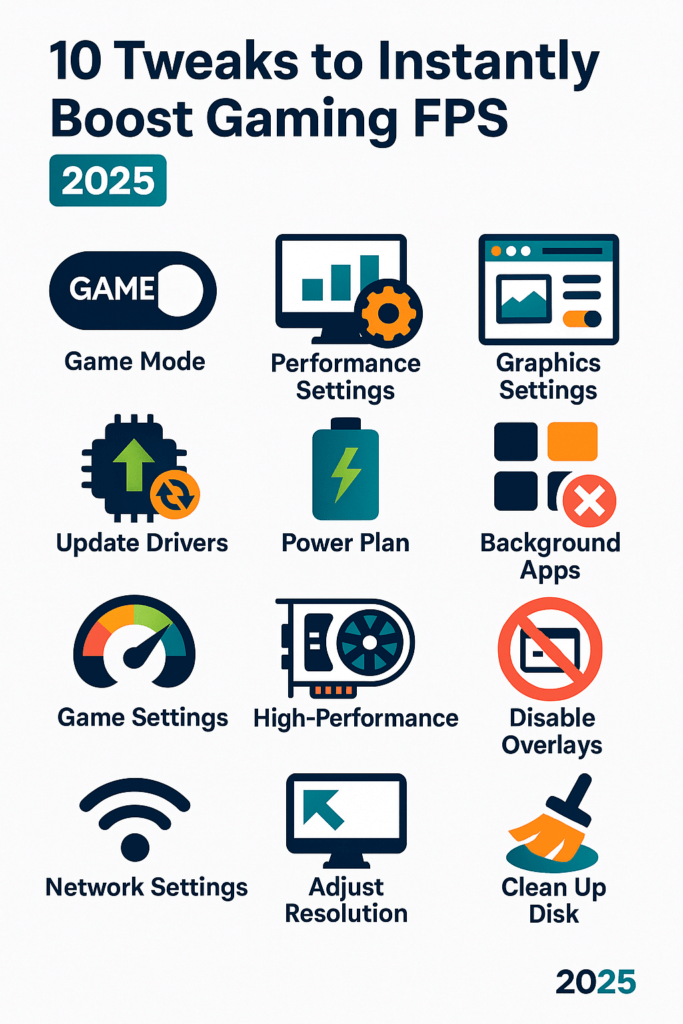
The 5 Best CPUs For In 2026 Reviewed Ranked Best Budget CPU Air Coolers For Silent Operations PC Builds 768x432 . Is Worth It Fierce PC Blog Fierce PC Blog Is Worth It 01 . Unlock Hidden Power How To Safely Overclock Your CPU And GPU 2026 10 Tweaks To Instantly Boost Your Gaming FPS 683x1024 . Unlock Hidden Power How To Safely Overclock Your CPU And GPU 2026 7 Genius Ways To Boost Gaming Performance For Free In 2025 683x1024 . How To Disable Of The CPU GPU What Is
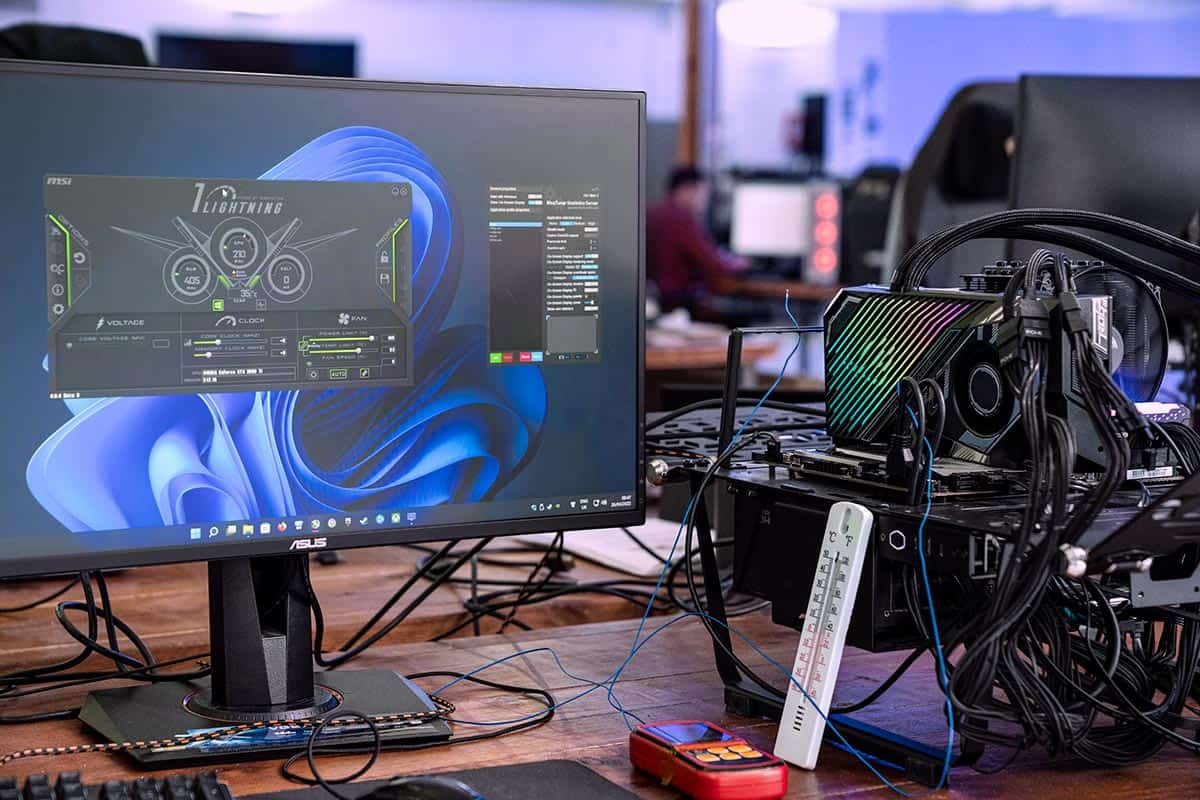


How To Overclock A GPU Nvidia And AMD Graphics Cards How To Overclock A GPU Nvidia And AMD Graphics Cards . Your CPU And GPU For Max Performance Image 2 800x547 . 8 Best GPU Cooling Products 2026 Solutions For Tested B00KFCRATC Customer 2 768x1024 . 8 Best GPU Cooling Products 2026 Solutions For Tested B07L9BDY3T Customer 1 864x1536 . How To Overclock A GPU For Epic Gaming CitizenSide How To Overclock A Gpu For Epic Gaming 1691083441


Redeem Devil May Cry Peak Of Combat Codes To Get A Ton Of Free Rewards Pc Gaming Cpu Safely How To Gpu . How To Overclock Your CPU And GPU Safely PCGamesN Full Overclock 900x506 . The 5 Best CPUs For In 2026 Reviewed Ranked Best Budget Graphics Cards For 4K Video Editing . The Game Changer Why Are GPUs Important For Gaming Modern Gamer Should You Overclock Your Gaming Pc . How To Overclock Your GPU To Boost Your Games FPS Img 10

How To Overclock Your GPU To Boost Your Games FPS Img 04 . Xbox Game Pass In 2026 The Full List Of Everything Announced So Far Large . How To Overclock Monitor 75hz To 100hz Complete Guide What Does It Mean To Overclock A. Big In 2026 The Ultimate Guide To The Video Games That Will Shape 2026 . How To Choose A Gaming Monitor In 2026 Complete Gaming Monitor Buying Gaming Monitor Guide 2026



13 Best GPUs For Gaming 2026 Top Graphics Cards Ranked Banner 5.webp. Data Center Disaster Recovery A 4 Point Checklist 2025 Best Gaming Servers 2026.webp. Top 10 Most Anticipated Games Of 2026 What To Watch Out For GAMES IN 2026 . Samsung Galaxy S24 Ultra Is Gone Here S Why It May Never Return Odyssey 2026 Gaming Monitors . The Future Games Show Is Returning In 2026 With 6 New Shows GamesRadar
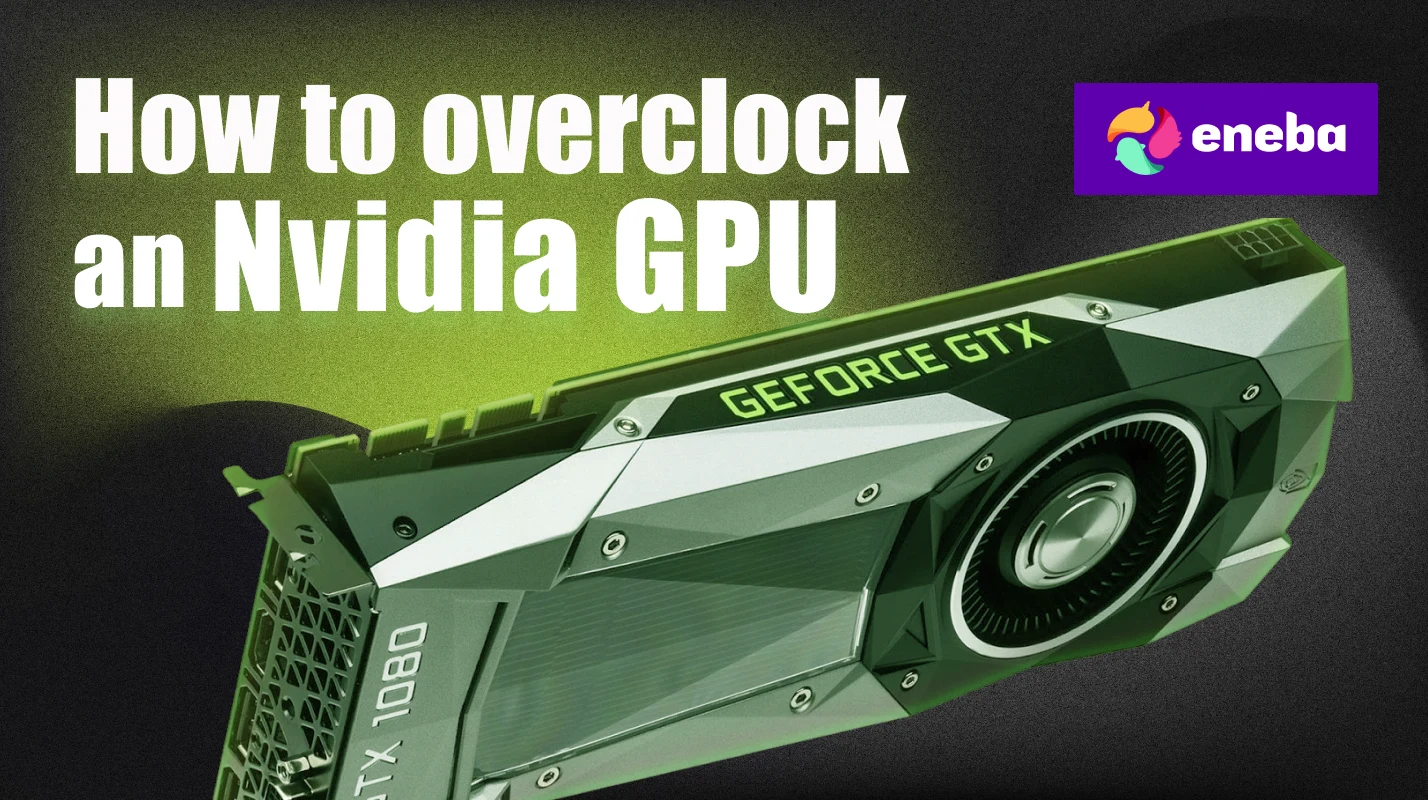

Boost Your Gaming Performance With CLX Gaming Boost Your Gaming Performance With Big . How To Overclock An NVIDIA GPU A Gamer S Guide To Safe Performance Eneba To Overclock An Nvidia Gpu 1428 800 1.webp. How To Optimise Your PC For Gaming GamerBolt Overclock Graphics Card . How To Safely Overclock Your GPU 1 . How To Overclock Your Gaming PC Gpu 1