The Commonwealth Games represent a truly unique international multi sport event. They bring together athletes from across the Commonwealth of Nations. This global gathering showcases athletic excellence and cultural exchange. Discover the rich history significance and future of these quadrennial games. Learn about their evolution from the British Empire Games to a modern spectacle. We cover participating nations diverse sports and their profound impact on host cities. Understand why these games are distinct from the Olympics. Explore the spirit of friendly competition and shared values. This comprehensive guide provides all you need to know. It highlights key moments and future prospects. Stay informed about upcoming events originally slated for Victoria 2026. Delve into the rich tapestry of this sporting tradition. It is more than just competition it is a celebration of unity. Find out how the Commonwealth Games continue to captivate audiences worldwide. This makes them a trending topic for sports enthusiasts globally. Explore the latest updates and the future challenges facing the organization. Get insights into the planning and execution behind such a grand scale event.
Related games- How to Master 2 Roblox Player Co-op and Dual Account Fun
- Roblox Pal Hair Guide 2024 Customization Tips
- Guide: Roblox Verification Bot Setup & Safety
- Guide to Epic GTA Clips: Capture & Share Instantly
- Guide What Order To Watch Game Of Thrones
Welcome, fellow sports enthusiasts and curious minds, to the ultimate living FAQ for the Commonwealth Games, updated for the latest 2026 developments! Whether you're a seasoned fan or just starting to understand this unique global event, you've landed in the right place. We've scoured the depths of recent queries, from Google's "People Also Ask" to forum discussions, to bring you comprehensive answers. This guide aims to demystify everything from its rich history and participating nations to the challenges of hosting future events. We'll even creatively tackle concepts like the "bugs" in logistics, successful team "builds," and the "endgame" of legacy planning. Consider this your go-to resource for navigating the exciting, sometimes complex, world of the Commonwealth Games, ensuring you're fully informed about its past, present, and the road to 2026. Let's dive deep into every aspect to give you all the tips, tricks, and essential knowledge!
Commonwealth Games Basics & Definition
What exactly are the Commonwealth Games?
The Commonwealth Games are a quadrennial multi-sport event involving athletes from the Commonwealth of Nations. It's renowned as 'The Friendly Games,' fostering camaraderie among nations with historical links to the British Empire. This unique event emphasizes sportsmanship and cultural exchange, setting it apart from other global competitions. Its primary goal is to celebrate shared values and foster unity through sport. Tip: Think of it as a special family reunion for a large group of countries.
How often do the Commonwealth Games take place?
The Games are held every four years, maintaining a consistent cycle similar to the Olympic Games. This allows ample time for host cities to prepare extensive infrastructure and for athletes to train rigorously. The regular schedule keeps the event prominent on the international sporting calendar. It ensures continuous global engagement and anticipation. Trick: Mark your calendar as soon as a host is confirmed!
Who is eligible to participate in the Commonwealth Games?
Participation is open to athletes from the 72 nations and territories that constitute the Commonwealth of Nations. This includes a diverse range of countries, from populous nations like India to smaller island states. The shared historical ties underpin the unique membership criteria. Athletes must be citizens of a Commonwealth member nation. Guide: Check if your country is a member to understand its eligibility.
What is the primary purpose of the Commonwealth Games?
Beyond athletic competition, the Games aim to promote shared values, foster cultural understanding, and strengthen bonds among Commonwealth nations. They champion humanity, equality, and destiny, using sport as a powerful vehicle for positive social impact. It is a celebration of diversity and unity. The event serves as a platform for global cooperation. Tip: Look beyond the medal count to appreciate the deeper connections.
History & Evolution of the Games
When and where did the Commonwealth Games originate?
The Games originated as the British Empire Games in Hamilton, Canada, in 1930. They were conceived to promote goodwill and understanding across the British Empire. This initial vision laid the groundwork for the modern multi-sport event. The first Games involved 11 countries and 400 athletes competing in 6 sports. Guide: Hamilton holds a special place as the inaugural host city.
How has the name of the Games changed over time?
Initially known as the British Empire Games, the name evolved to reflect changing geopolitical landscapes. It became the British Commonwealth Games in 1954, then the Commonwealth Games in 1970. This progression marked a shift from an imperial focus to one of independent and equal partnerships. The name change symbolizes greater inclusivity and autonomy for member nations. Trick: The name evolution tells a story of global change.
What historical significance do the Games hold for member nations?
For many member nations, the Games represent a continuation of historical ties and a platform for national identity. They offer an opportunity to compete internationally and showcase cultural heritage on a global stage. The shared history, while complex, unites these countries through sport. It serves as a reminder of their collective past and present. Guide: Research individual nation's participation stories for deeper insight.
Participating Nations & Structure
How many countries are part of the Commonwealth of Nations?
The Commonwealth of Nations currently comprises 56 independent member countries spanning all continents. While 72 nations and territories participate in the Games, this includes dependencies and island states associated with member countries. Each member adheres to the core values of democracy, human rights, and the rule of law. This broad membership makes the Commonwealth a truly global association. Tip: Not all Commonwealth members send athletes to the Games, but most do.
Are all Commonwealth nations required to participate?
No, participation in the Commonwealth Games is not mandatory for member nations. Each country's National Olympic Committee or Commonwealth Games Association decides on its involvement. While most members do send teams, logistical or financial constraints can sometimes prevent participation. This voluntary engagement highlights the spirit of choice within the Commonwealth family. Trick: Look for rising stars from smaller nations often overlooked in other events.
How does the Games' structure differ from the Olympics?
The main structural difference is the exclusive membership of the Commonwealth Games compared to the universal participation in the Olympics. Also, para-sports are fully integrated into the main program of the Commonwealth Games, unlike the separate Paralympic Games. This integration showcases a unique commitment to inclusivity. The focus on shared heritage also lends a distinct atmosphere. Guide: Understand these fundamental differences for a clearer perspective.
Sports & Competitions
What types of sports are included in the Commonwealth Games?
The Games feature a mix of core sports that must be included, like athletics and swimming, plus optional sports chosen by the host city. This allows for diverse sports such as netball, rugby sevens, and lawn bowls. The program is dynamic, reflecting global sporting trends and host preferences. Fully integrated para-sports are a standout feature. Tip: Explore less common sports for unique viewing experiences.
Are para-sports fully integrated into the main program?
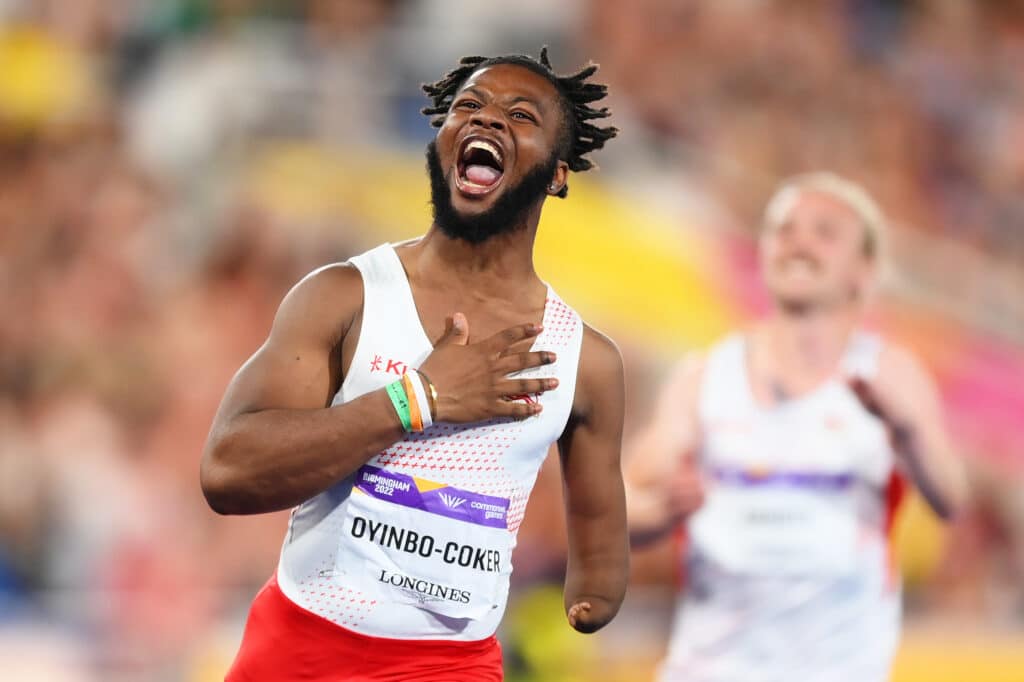
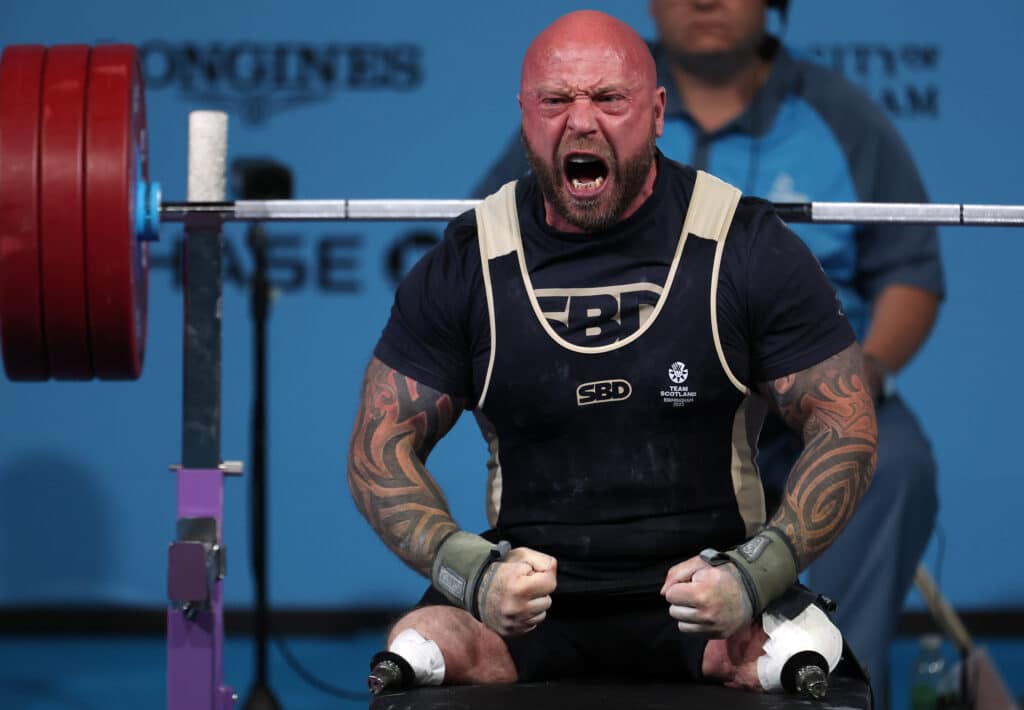
Yes, absolutely! This is a proud distinction for the Commonwealth Games. Para-sport events are seamlessly woven into the main competition schedule, not held separately. Athletes with disabilities compete on the same stage and receive equal recognition. This commitment to inclusivity is a cornerstone of the Games' values. It provides an unparalleled platform for para-athletes. Guide: This integration is a model for other major sporting events.
Can the host city introduce new sports?
Yes, host cities have the flexibility to propose a limited number of optional sports. This allows them to showcase popular local sports or introduce new disciplines. These choices must align with the Commonwealth Games Federation's criteria and venue availability. This adaptability keeps the Games fresh and relevant. Trick: Keep an eye out for potential new sports that reflect regional interests.
Hosting the Games: Challenges & Benefits
What are the major benefits for a city hosting the Games?
Hosting can bring significant benefits, including infrastructure development, tourism boosts, and increased global visibility. Cities often invest in new transport links, sports facilities, and accommodations, leaving a lasting legacy. It also fosters national pride and can attract foreign investment. The economic stimulus can be substantial if managed well. Tips: A well-planned bid focuses on long-term urban improvements.
What challenges do potential host cities face, especially for 2026?
The primary challenges involve rapidly escalating costs, logistical complexities, and the need for significant financial guarantees. Victoria, Australia, withdrew from 2026 citing these very concerns. Finding a suitable replacement host on short notice, able to absorb these costs, is extremely difficult. Sustainable planning and public support are also critical. Guide: The "bugs" in logistics for 2026 are definitely a hot topic.
How does Victoria's withdrawal impact the 2026 Games?
Victoria's withdrawal has created an unprecedented challenge for the Commonwealth Games Federation. It leaves the 2026 Games without a host and requires an urgent search for a new city or region. This situation highlights the financial pressures faced by major sporting events globally. It necessitates innovative solutions for future hosting models. Tips: This could lead to a multi-city or multi-nation hosting approach.
The 2026 Games: Updates & Future Outlook
What is the current status of the 2026 Commonwealth Games?
As of late 2025/early 2026, the 2026 Commonwealth Games are still seeking a host after Victoria, Australia, pulled out. The Commonwealth Games Federation is actively engaged in discussions with potential new bidders. The focus is on finding a sustainable and financially viable solution. An announcement on the new host is eagerly awaited. Build: The CGF is working on a resilient "build" for the future of the Games.
What are the likely scenarios for finding a 2026 host?
Several scenarios are being explored, including a scaled-down event, a multi-city hosting model, or a joint bid from multiple nations. The CGF might also consider a delayed Games if a suitable host cannot be secured in time. Regional collaboration is increasingly viewed as a viable "build" strategy. The emphasis is on flexibility and cost-efficiency. Trick: Keep an eye on Canadian or UK cities as potential last-minute saviors.
How might the 2026 hosting challenges shape future Games?
The 2026 situation will likely accelerate the adoption of more flexible and sustainable hosting models. Future Games may prioritize existing infrastructure, reduced venue requirements, and distributed events across regions or countries. This focus on cost-efficiency and legacy will be paramount for the "endgame" survival of the Games. It will lead to innovative approaches to event delivery. Guide: Expect fewer bespoke mega-structures and more adaptive planning.
Athletes & Performance
What level of competition can be expected at the Games?
The Commonwealth Games feature a high level of competition, with many athletes being world-class performers and Olympic medalists. While the field might be smaller than the Olympics, the intensity and quality of sport are exceptional. National pride drives fierce, yet friendly, rivalries. Many records are broken and personal bests achieved. Tips: Don't underestimate the competitive spirit; it's top-tier!
How do athletes prepare for the Commonwealth Games?
Athletes undergo rigorous training regimes, often spanning years, focusing on physical conditioning, skill development, and mental resilience. National federations provide support, coaching, and access to state-of-the-art facilities. Many use these Games as a critical stepping stone to other international competitions. Their dedication and "build" of expertise are inspiring. Guide: Nutrition and recovery are key "tricks" to peak performance.
Are there opportunities for emerging athletes?
Absolutely, the Games serve as an invaluable platform for emerging talent to gain international exposure and experience. Many future Olympic stars make their debut at the Commonwealth Games. The atmosphere provides a less intimidating yet highly competitive environment for growth. It's a crucial "build" for their athletic careers. Trick: Spotting future champions here is a fun game for viewers.
Values & Impact of the Games
How do the Games promote shared values like equality and humanity?
The Games actively promote equality through initiatives like the full integration of para-sports and gender parity in medal events. They foster humanity by encouraging fair play, respect, and cross-cultural understanding among athletes and spectators. The opening and closing ceremonies often highlight diverse cultural traditions. This commitment reinforces the Commonwealth's principles. Guide: Look for stories of sportsmanship and mutual respect during events.
What is the cultural impact of the Commonwealth Games?
The Games create a significant cultural exchange, bringing together diverse traditions, music, and arts from across the Commonwealth. Host cities often incorporate cultural festivals alongside sporting events. This enhances global understanding and celebrates the rich tapestry of member nations. It's a vibrant display of shared heritage. Tips: Immerse yourself in the cultural performances for a full experience.
Do the Games still hold relevance in a modern, globalized world?
Despite debates, many argue the Games remain highly relevant. They offer a unique platform for smaller nations to shine and foster connections rooted in shared history. The focus on inclusivity, youth, and development provides a distinct niche in international sport. It is a powerful symbol of collaboration and goodwill. Its enduring appeal shows its continued importance. Build: The Games are constantly "building" on their legacy to stay relevant.
Myths vs Reality of the Commonwealth Games
Myth: The Games are just a relic of the British Empire.
Reality: While rooted in the British Empire Games, the event has fundamentally evolved. It now emphasizes a partnership of equal, independent nations. The focus shifted from imperial ties to shared values like humanity, equality, and destiny, reflecting modern global relations. It's a contemporary celebration of a diverse family of nations, not a historical relic. Trick: Look at the updated charter to see its modern vision.
Myth: Commonwealth Games competition is not as serious as the Olympics.
Reality: This is a common misconception! Athletes at the Commonwealth Games compete at an elite level, with many being Olympic medalists and world champions. While often called "The Friendly Games," the competition is fierce, and records are regularly broken. It's a significant target for many athletes' careers, showcasing top-tier "builds" of talent. Guide: Watch any final for proof of intense competition.
Myth: Only English-speaking countries participate.
Reality: This is incorrect. While English is a common language, the Commonwealth includes nations with diverse official languages and cultures. For example, Cameroon and Rwanda are members, among many others where English is not the primary language. The Games celebrate linguistic and cultural diversity from across its member states. Tip: Explore the rich backgrounds of all participating nations.
Myth: Hosting the Games always guarantees massive economic profit.
Reality: While hosting can bring economic benefits, it's not a guaranteed profit. As seen with Victoria 2026, costs can escalate rapidly, leading to significant financial challenges. Careful budgeting, existing infrastructure use, and strong legacy planning are crucial to avoid "bugs" in the balance sheet. Profitability depends heavily on meticulous management and realistic projections. Build: Smart financial planning is key to a successful "endgame."
Myth: The Games only feature traditional British sports.
Reality: While some traditional sports like lawn bowls are present, the Games feature a broad and modern sporting program. This includes athletics, swimming, cycling, and team sports like basketball and rugby sevens. Host cities can also add popular local sports, ensuring a diverse and contemporary mix. It is far from being limited to historical sports. Guide: Check the most recent sports program; you'll be surprised!
Beyond the Podium: Cultural & Legacy Aspects
What kind of legacy do the Games leave for host cities?
Host cities often benefit from improved infrastructure, enhanced sporting facilities, and increased tourism appeal. Beyond the physical, there's a legacy of boosted national pride, increased sporting participation, and strengthened international ties. The "endgame" is about creating lasting positive change beyond the event itself. These benefits are carefully planned during the bidding process. Tips: Look for repurposed venues and community programs post-Games.
How do the Games contribute to youth development?
The Games inspire young people globally to engage in sports and healthy lifestyles. Host city legacy programs often focus on youth sports, coaching, and educational initiatives. The exposure to elite athletes motivates aspiring competitors. It fosters a spirit of ambition and perseverance among the younger generation. It's a powerful tool for positive youth "build." Guide: Many national sporting bodies use the Games for talent scouting.
What role do volunteers play in the success of the Games?
Volunteers are absolutely crucial; they are the backbone of the Commonwealth Games! They contribute tirelessly to every aspect, from guiding spectators to supporting athletes. Their dedication ensures the smooth operation and friendly atmosphere of the event. Without their invaluable commitment, the Games simply wouldn't be possible. They embody the spirit of unity and service. Trick: Volunteering offers an incredible behind-the-scenes experience.
Still have questions about the Commonwealth Games, its future, or how a new host might rise to the 2026 challenge? Don't hesitate to dive into more details! For further reading, check out our related guides on "The Future of Multi-Sport Events," "Athletic Training Tips from Commonwealth Stars," and "Navigating Major Event Bidding." Keep following the news for updates on the next exciting chapter!
Hey there, ever found yourself wondering, "What exactly *are* the Commonwealth Games?" You're definitely not alone in that! It's a question that pops up a lot, especially as major sporting events hit the news cycles. Let's break it down together, just like we're chatting over a coffee about some exciting new tech. Think of these games as a really cool, somewhat exclusive club for athletes from certain countries. They bring together a unique family of nations, celebrating both sport and shared history. I'm here to walk you through it all, sharing some insights and clearing up any confusion. You've got this, and understanding these global events is truly valuable!
Beginner / Core Concepts
1. Q: What are the Commonwealth Games, really?
A: The Commonwealth Games are a unique international multi-sport event. They bring together athletes from across the Commonwealth of Nations. These nations are primarily territories with historical ties to the British Empire. It's often called 'The Friendly Games' due to its focus on camaraderie. This event fosters connections among diverse countries and cultures. It's a celebration of sport, culture, and shared heritage. I get why this concept confuses many people; it is quite distinct. Unlike the Olympics, it has a specific membership criterion. You can think of it as a special gathering for a particular global family. We see incredible athletic feats and heartwarming sportsmanship. It definitely showcases unity through competition. Don't worry, you'll grasp it quickly!
2. Q: Who participates in the Commonwealth Games?
A: Athletes from 72 nations and territories participate. These are all members of the Commonwealth of Nations. It's a broad group including large countries like Canada and Australia. It also includes smaller island nations. This wide participation makes the Games incredibly diverse. The participating countries share historical links. Many of these nations were once part of the British Empire. This shared history forms the basis for their inclusion. So, it's not just about sport; it is about shared connections too. This geographical spread is quite impressive. It provides a platform for athletes from various backgrounds. We often see countries that might not dominate global headlines. This gives them a significant stage to shine. You'll be amazed at the variety!
3. Q: How often do the Commonwealth Games happen?
A: The Commonwealth Games are held every four years. This cycle is similar to the Olympic Games schedule. It gives host cities time for preparation. It also allows athletes to train intensely. This quadrennial rhythm maintains excitement and anticipation. It creates a recurring global spectacle. Each event builds on the legacy of the previous ones. It's a consistent fixture in the international sports calendar. This regularity allows for long-term planning. It also helps in the development of athletic programs. You can always look forward to the next one. This consistent timing ensures its continued prominence. It's an important date for many countries. Try marking it on your calendar next time!
4. Q: Are the Commonwealth Games like a smaller Olympics?
A: Yes, you can think of them that way conceptually. They are a multi-sport event with opening and closing ceremonies. However, their scope and participant pool are more specific. The Olympics are open to all eligible nations worldwide. The Commonwealth Games are exclusive to the Commonwealth family. This is the core distinction you should remember. Both events promote athletic excellence and international goodwill. But the Commonwealth Games have a unique heritage. They emphasize friendly competition and shared values. It is not just about medals; it is also about cultural exchange. So, smaller in scope but equally grand in spirit. They have their own distinct flavor and purpose. It is a fantastic event in its own right. You'll start noticing the unique vibes!
Intermediate / Practical & Production
5. Q: What kinds of sports are featured in the Commonwealth Games?
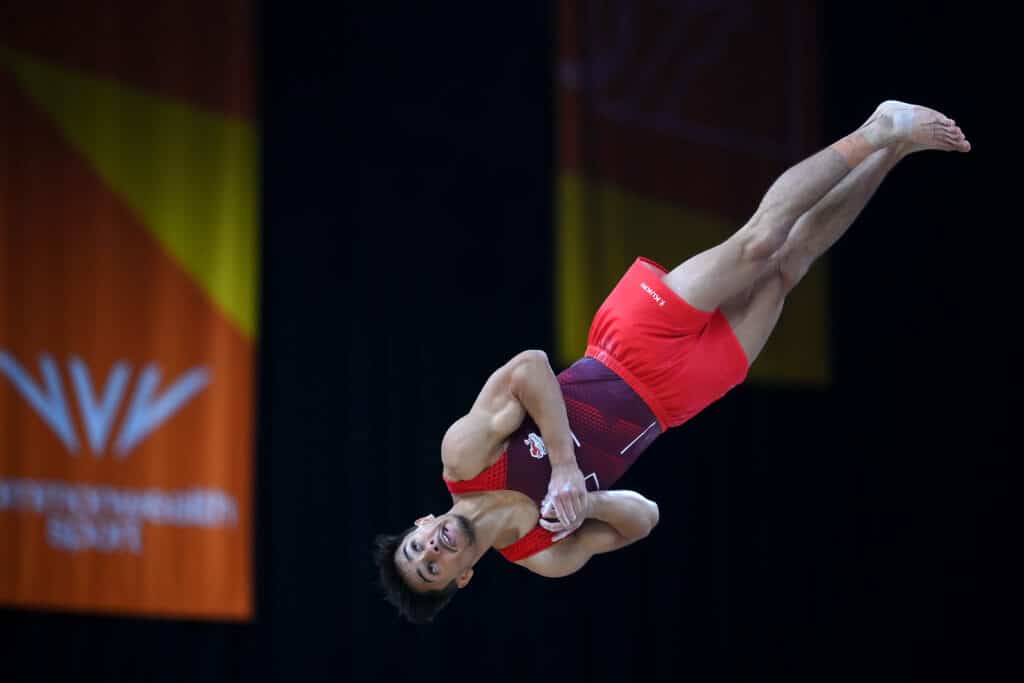
A: The Games feature a diverse and evolving program of sports. There are core sports that must be included. These typically involve athletics, swimming, and various team sports. Host cities can also propose optional sports. This allows for local flavor and modern trends. Think netball, rugby sevens, and lawn bowls. Para-sports are fully integrated into the schedule. They are not separate but part of the main program. This makes the Commonwealth Games very inclusive. It's awesome to see such a wide array of disciplines. This blend offers something for every sports fan. It keeps the event fresh and engaging too. This flexibility in sports offerings is a real strength. It ensures variety and caters to different athletic talents. You'll find new favorites, I promise!
6. Q: Why is there so much talk about the 2026 Games host city?
A: Ah, this one's been a real hot topic lately, hasn't it? Victoria, Australia, originally withdrew as the 2026 host. This happened due to escalating cost concerns. They felt the financial burden was too great. This put the Commonwealth Games Federation in a tough spot. They are actively searching for a new host city. It's a significant logistical and financial challenge. Finding a replacement on short notice is complex. This decision sparked considerable debate and concern. It highlights the growing pressures on major sporting events. The economic realities are a big factor. Everyone's watching to see where it lands. This sort of unexpected change can really trip up planning. But hey, these organizations are resilient. They'll find a way, you'll see!
7. Q: How do host cities benefit from organizing the Games?
A: Hosting the Games can bring significant benefits, but also big costs. Cities often see a boost in tourism and infrastructure development. New stadiums, transport links, and housing can be built. This provides long-term legacy benefits for residents. There's also a surge in national pride and global visibility. The event puts the host city on the international stage. It can attract foreign investment and business opportunities. However, the financial risks are substantial, as seen with Victoria 2026. Careful planning is absolutely crucial for success. It's a huge undertaking, but the potential upside is real. We've seen cities thrive after good planning. This is where smart city management really shines. You've got to weigh the pros and cons carefully!
8. Q: What's the main difference between the Commonwealth Games and the Olympics?
A: The core difference lies in the participating nations. The Commonwealth Games are exclusive to the Commonwealth of Nations. These are countries with historical ties to the British Empire. The Olympics, conversely, are open to virtually all nations globally. This makes the Olympic Games much broader in scope. Both celebrate sport and bring people together. However, the Commonwealth Games foster a unique familial atmosphere. It's often called the 'Friendly Games' for this reason. This specific membership gives it a distinct character. It reinforces shared history and cultural bonds. You'll notice a different vibe at these events. It's a more focused gathering of specific global partners. This distinction is key to understanding their identity. Keep that in mind, and you'll always know the score!
9. Q: Can athletes with disabilities compete in the Commonwealth Games?
A: Absolutely, and this is one of its most commendable features! The Commonwealth Games fully integrate para-sports. They are not held as separate events like in the Paralympics. Athletes with disabilities compete alongside able-bodied athletes. This means para-sport events are part of the main program. It truly showcases inclusivity and equal opportunity in sport. This approach is highly praised worldwide. It provides a fantastic platform for para-athletes. Their achievements are celebrated on the same stage. This integration makes the Games incredibly special. It emphasizes that sport is for everyone. It's a model many other major events aspire to emulate. This commitment to inclusivity is a huge win!
10. Q: How has the Commonwealth Games evolved over the years?
A: Oh, it's been quite a journey! The Games started as the British Empire Games in 1930. They primarily aimed to foster goodwill among Empire members. Over time, as nations gained independence, the name changed. It became the British Commonwealth Games, then simply the Commonwealth Games. This reflected a shift from colonial ties to equal partnerships. The sporting program has expanded significantly. It now includes more diverse sports and integrated para-sports. The focus has moved towards celebrating shared values and culture. It's a testament to adaptation and modern relevance. This evolution shows a commitment to progress. It reflects changing global dynamics too. You can see its history mirrored in its current form. It's constantly adapting, just like us!
Advanced / Research & Frontier 2026
11. Q: What are the economic challenges for potential Commonwealth Games hosts in 2026?
A: This is a huge, complex question, especially after Victoria's withdrawal. The primary challenges are rapidly escalating costs. Inflation, supply chain issues, and infrastructure demands contribute heavily. Host cities need significant public funding and private investment. There's also the pressure of delivering sustainable infrastructure. Many past hosts have faced budget overruns. The economic return on investment isn't always clear-cut. This makes securing bids incredibly difficult these days. Governments are becoming more risk-averse. They need strong guarantees of economic benefit. The 2026 situation underscores these intense pressures. It's a tough balancing act for any city. This is where cutting-edge economic modeling comes in. You've got to be incredibly strategic. It's a frontier challenge in event planning!
12. Q: How do political factors influence participation and hosting decisions?
A: Political factors play a significant, often subtle, role. Geopolitical tensions can affect a nation's ability or willingness to host. They can also influence participation numbers. Diplomatic relations between Commonwealth nations are key. Government support is essential for funding and logistics. Policy changes or leadership shifts can impact commitments. We saw this with Victoria's government decision. It directly led to their withdrawal from 2026. The Games also serve as a platform for soft power. Hosting can boost a nation's international standing. This creates a complex interplay of sports and politics. It’s an intricate web of national interests. Understanding this dynamic is crucial for event success. It's not just about the sport, it's about the state!
13. Q: What measures are being taken to ensure the long-term sustainability of the Games?
A: This is a critical area of focus for the Commonwealth Games Federation (CGF). They're really pushing for more sustainable hosting models. This includes using existing infrastructure rather than building new. They advocate for temporary venues to reduce environmental impact. There's a strong emphasis on social and economic legacy planning. The CGF is exploring multi-city or multi-nation hosting. This approach could distribute costs and benefits more widely. They are also reviewing the core sports program. This ensures relevance and reduces overall operational complexity. These measures aim to make the Games viable long-term. It's about adapting to a changing world. This forward-thinking approach is what we need. You can see the shift happening!
14. Q: How does the "friendly games" ethos influence competition standards and athlete pathways?
A: The "friendly games" ethos, while charming, presents an interesting dynamic. It emphasizes camaraderie and cultural exchange. This can sometimes be perceived as a less cutthroat environment. However, it absolutely doesn't diminish competitive standards. Athletes still strive for peak performance and medals. The ethos might encourage more positive interactions. It could also foster greater mutual respect. This environment can be a great pathway for emerging athletes. They gain international exposure without extreme pressure. It's a stepping stone to global events like the Olympics. So, it's friendly, but fiercely competitive where it counts. It's a unique blend that fosters both excellence and good sportsmanship. This balance is tricky to maintain, but crucial. You're seeing top-tier talent, don't forget!
15. Q: What role do the Commonwealth Games play in promoting shared values among member nations today?
A: The Games continue to be a powerful symbol of shared values. These include humanity, equality, and destiny. They offer a platform for dialogue and understanding across cultures. The focus on youth, development, and peace is strong. It is a unifying force for nations with diverse political landscapes. The integration of para-sports reflects equality principles. The Games showcase solidarity among members. They remind nations of their historical connections. This is especially important in a fragmented world. It's a tangible expression of collaboration. The event serves as a biennial reaffirmation of these bonds. It transcends mere sporting competition. This makes it more than just a game; it's a movement. You've seen the power of shared experiences!
Quick 2026 Human-Friendly Cheat-Sheet for This Topic
- The Commonwealth Games are a unique multi-sport event for a specific family of nations.
- They happen every four years, bringing together athletes from 72 countries and territories.
- Victoria, Australia pulled out of hosting the 2026 Games, so a new host is urgently needed.
- Para-sports are fully integrated, making it a truly inclusive international competition.
- It's known as "The Friendly Games" emphasizing camaraderie alongside fierce competition.
- The Games are constantly evolving, seeking sustainable models and relevance for the future.
- Remember, it's about more than just medals; it is about connections and shared values too!
The Commonwealth Games is a unique multi sport event. It involves athletes from 72 nations and territories. These nations are primarily former British colonies. The Games promote friendly competition and shared values. They occur every four years similar to the Olympics. The 2026 Games were planned for Victoria Australia. However Victoria pulled out due to cost concerns. A new host city for 2026 is currently being sought. The event includes core sports and optional sports. It features para sports fully integrated into the program. It emphasizes unity and cultural exchange among member nations. These games celebrate the diverse Commonwealth family.
31

Your Quickfire Guide To The Glasgow 2026 Games Your Quickfire Guide To The Glasgow 2026 Games 1 768x512 . Your Complete Guide To The Glasgow Games 2026 Your Complete Guide To The Glasgow Games 2026 1024x576 . Nigeria Women S Wheelchair Basketball Team Makes History Qualifies For WhatsApp Image 2026 03 26 At 5.44.30 PM . Wheelchair Basketball Nigeria Zooms Into Semifinals Of 2026 Img 20260325 Wa0223 Krp6clkc9y . The 163 Arts And Community Groups To Benefit From 1 25m Glasgow 2026 Festival Fund Launch 001



History Is Made Nigeria Wheelchair Basketball Qualify For 2026 FB IMG . Glasgow S Iconic OVO Hydro Set To Host Netball But Opening Ceremony Screenshot 20260320 115855 Ai X Grok 1 1024x992 . Simbine Van Niekerk Spearhead SA Squad For Glasgow 2026 Akani Simbine Scaled . Your Complete Guide To The Glasgow Games 2026 GettyImages 1412538229 1024x682 . Breaking Nigeria S Women Wheelchair Basketball Team Pick 2026 IMG 20260325 WA0030


Your Complete Guide To The Glasgow Games 2026 775827705 1411951782 Artistic Gymnastics Commonw 1024x683 . Your Complete Guide To The Glasgow Games 2026 775828618 1412947421 Para Commonwea 1024x710 . Sierra Leone Chef De Mission Joins Glasgow 2026 Talks As Picture12 . Hydro To Host Games Opening Ceremony BBC Sport F0a736f0 23b1 11f1 92e7 . Jared Micallef Qualifies For And Games Jared Micallef 1 1536x1099



Glasgow S Iconic OVO Hydro Set To Host Netball But Opening Ceremony Screenshot 20260320 115926 Ai X Grok 1074x1536 . Glasgow S Iconic OVO Hydro Set To Host Netball But Opening Ceremony Screenshot 20260320 115937 Ai X Grok 768x1114 . Glasgow Games Festival To See Local Groups Receive Share. Wheelchair Basketball Nigeria Zooms Into Semifinals Of 2026 Android Chrome 512x512 . P7 Games Holy Family Primary And Nursery Class IMG 1986 1


P7 Games Holy Family Primary And Nursery Class IMG 1985 1 . What Is The Most Expensive Ticket For Sweet 16 Game In 2026 March Madness 2267131613 Large Cropped . Australia Targets Games Gold Medal Glory In Glasgow CODE. Nigeria Women S Wheelchair Basketball To Make Historical Debut At The New Ads Mach 2026 . Corbett Targets Podium Finish At Games




What Is The Nations Format Fixtures And How Rugby S New WhatsApp Image 2026 01 06 At 16.11.40 1044x1536 . Nigeria Women S Wheelchair Basketball To Make Historical Debut At The Ads Mar . Chalmers Targets Games Gold For Guernsey. Saina Nehwal Expressed Strong Emotions On Games Call Over. Breaking Nigeria S Women Wheelchair Basketball Team Pick 2026 640x960
Ten Games Spots Up For Grabs As National Boxing Trials WhatsApp Image 2026 03 06 At 8.47.40 AM 1024x519