Unraveling the Grand Theft Auto saga in its proper chronological sequence is essential for any dedicated gamer or newcomer eager to dive deep into Rockstar's intricate narratives. Understanding the precise order allows players to fully appreciate the evolving storylines, character development, and subtle connections woven throughout the iconic series. This comprehensive guide helps navigate the complex timeline, ensuring you experience every narrative beat exactly as intended. From the gritty early days to the sprawling modern cities, following the chronology enhances immersion and reveals the rich lore like never before. With new releases on the horizon in 2026, mastering the existing order is key for future enjoyment and understanding the foundational elements of this beloved franchise.
gta in chronological order FAQ 2026 - 50+ Most Asked Questions Answered (Tips, Trick, Guide, How to, Bugs, Builds, Endgame)
Welcome to the ultimate living FAQ for Grand Theft Auto in chronological order, fully updated for 2026 and the latest ongoing narrative developments in GTA Online! This guide is meticulously crafted to help both new players and seasoned veterans navigate the sprawling, complex timelines of the GTA universe. Whether you're aiming for a deep story dive, preparing for upcoming releases, or just clarifying character arcs, this FAQ has you covered. We'll clarify common misconceptions, offer optimal playthrough tips, and explore the intricate connections that make Rockstar's storytelling legendary. Consider this your go-to resource for mastering the Grand Theft Auto saga's chronological narrative.
Beginner Questions
What is the recommended chronological order to play Grand Theft Auto games?
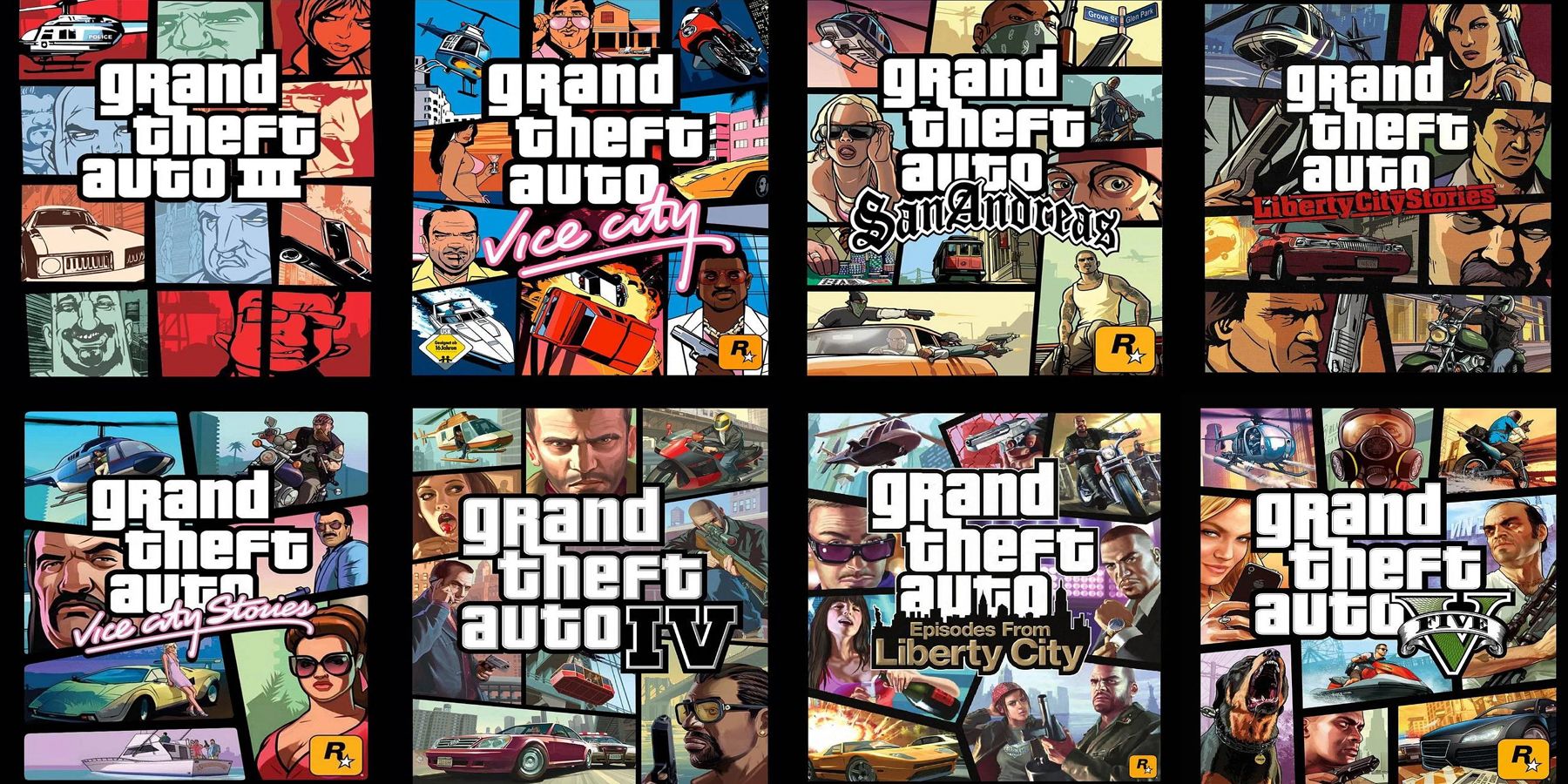
The recommended chronological order typically begins with Vice City Stories (1984), followed by Vice City (1986), San Andreas (1992), Liberty City Stories (1998), GTA III (2001), GTA IV (2008) including its expansions, GTA V (2013), and finally, the continually evolving GTA Online. This sequence ensures a cohesive story experience, following the narrative flow of the 3D and HD universes respectively. It provides the best understanding of character development and world evolution.
Are the Grand Theft Auto 2D universe games part of the 3D/HD timeline?
No, the 2D universe games (GTA 1, GTA London, GTA 2) are not directly part of the 3D or HD universe timelines. Rockstar established distinct universes to avoid narrative contradictions and allow for creative freedom. While they share city names and themes, their specific events and characters do not canonically connect with the later Vice City, San Andreas, or Liberty City narratives. Enjoy them as separate historical entries.
Does GTA Advance fit into the chronological storyline?
GTA Advance, released for the Game Boy Advance, is technically set in 2000, placing it before GTA III in the 3D universe. While it offers minor plot points leading into GTA III, its 2D top-down perspective and different gameplay often lead players to skip it without missing crucial story elements. It's more for completionists seeking every piece of the lore.
Why is GTA Vice City considered an early entry despite its release date?
Grand Theft Auto: Vice City is chronologically set in 1986, which is earlier than its 2002 release date and before GTA III (set in 2001). This placement makes it a crucial early narrative entry point in the 3D universe, introducing core themes and characters. It provides essential background context for the subsequent games. Playing it first enhances understanding of the overall timeline.
Understanding the Eras
What defines the 3D Universe games in the GTA timeline?
The 3D Universe games are a distinct set of titles sharing a continuous timeline, primarily featuring games like GTA III, Vice City, San Andreas, Liberty City Stories, and Vice City Stories. They are characterized by their specific lore, recurring characters within their universe, and consistent art style from the early 2000s. These games form a foundational narrative block.
How does the HD Universe differ from the 3D Universe chronologically?
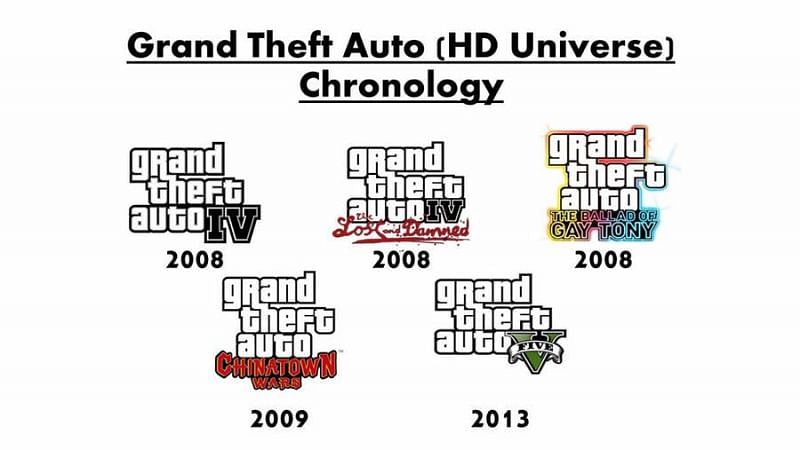
The HD Universe (GTA IV, GTA V, GTA Online) is a completely separate continuity from the 3D Universe. While it reuses city names like Liberty City and Los Santos, these are reimagined versions with different events and characters. Chronologically, the HD Universe starts fresh around 2008 with GTA IV, allowing Rockstar new storytelling possibilities without legacy constraints. It is an entirely distinct narrative path.
Myth vs Reality: Are all GTA games set in the same city at different times?
Myth: Not all GTA games are set in the same city. Reality: While GTA reuses fictional city names like Liberty City, Vice City, and Los Santos across its different universes (2D, 3D, HD), these are distinct versions of those cities. For example, Liberty City in GTA III (3D Universe) is not the same as Liberty City in GTA IV (HD Universe), although both are inspired by New York City. Each universe has its own set of interconnected locations and specific lore.
Character Arcs & Connections
How do recurring characters maintain consistency across the 3D Universe timeline?
Within the 3D Universe, recurring characters like Salvatore Leone or Ken Rosenberg maintain consistent backstories and development across titles. Their roles, relationships, and fates evolve directly from one game to the next, enhancing narrative depth. Playing chronologically allows players to witness their full arcs, making their appearances more impactful. It builds a richer, interconnected criminal world.
Are there any direct character crossovers between the 3D and HD Universes?
No, there are no direct character crossovers between the 3D and HD Universes. Rockstar intentionally separated these universes to prevent continuity conflicts. While there might be character *mentions* or Easter eggs that *allude* to similar individuals or events, the specific characters themselves do not jump between universes. This ensures each universe maintains its unique narrative integrity. This is a common misconception.
Lore Deep Dives
What are the biggest lore revelations discovered by playing GTA chronologically?
Playing GTA chronologically reveals profound lore revelations, such as the full extent of powerful criminal families' influence across decades. It uncovers the origins of key organizations, the rise and fall of various drug empires, and the long-term consequences of past actions. You truly grasp how events in Vice City ripple through San Andreas and into Liberty City. This deepens appreciation for Rockstar's narrative artistry.
How do historical events within the games impact the timeline's progression?
Historical events within the games, like the crack cocaine epidemic in San Andreas or specific political movements, significantly impact the timeline's progression. They shape the cities' environments, influence character motivations, and dictate the types of criminal activities prevalent in each era. These events ground the fictional narratives in realistic historical contexts, making the world feel more authentic and dynamic. It directly influences gameplay and story elements.
Playing Modern Titles in Context
Where does GTA IV's story and its expansions fit into the modern chronological view?
Grand Theft Auto IV, set in 2008, begins the HD Universe's main chronological sequence. Its expansions, The Lost and Damned and The Ballad of Gay Tony, occur concurrently with Niko Bellic's story. Playing them alongside or immediately after GTA IV is recommended. They provide multiple perspectives on the same events in Liberty City, enriching the overall narrative of that era. This is vital for full immersion.
How does GTA V's timeline connect with the ongoing narrative of GTA Online?
GTA V's story is set in 2013. GTA Online initially began a few months before GTA V's main campaign. However, with continuous updates, GTA Online's narrative has progressed significantly beyond 2013, effectively acting as a live-service sequel. Its ongoing story, including major updates like 'The Contract' in 2026, represents the most current canonical events in the HD Universe timeline. It's a constantly evolving narrative.
Fan Theories & Future Games
Myth vs Reality: Is GTA VI expected to integrate all previous timelines into one grand narrative?
Myth: GTA VI will unify all timelines. Reality: Highly unlikely. Rockstar has maintained distinct universes (2D, 3D, HD) for creative freedom. GTA VI, expected to expand the HD Universe, will likely build upon GTA V and GTA Online's lore. Integrating all past timelines would create immense narrative contradictions. Expect new stories within the established HD framework, perhaps with subtle nods to the past, but not a full convergence. This approach maintains narrative clarity for new players.
Common Timeline Misconceptions
What are common chronological errors players make when discussing GTA?
Common chronological errors include assuming all GTA games are in one timeline, playing Vice City or San Andreas after GTA III based on release order, or believing 2D universe events directly impact the 3D/HD universes. Another mistake is overlooking the 'Stories' games or GTA Advance as integral parts of the 3D universe's full story. Understanding universe segmentation is key to avoiding these pitfalls.
Myth vs Reality: Do the remastered Definitive Edition games change the original timeline placement?
Myth: Remasters alter the timeline. Reality: The Definitive Edition of GTA III, Vice City, and San Andreas did not alter their original chronological placements within the 3D Universe. These remasters aimed to enhance the graphical and gameplay experience while preserving the original stories and their established timelines. They provide a modern way to experience the classic chronological order, but don't rewrite history. The narrative remains consistent.
Optimal Playthrough Paths
What is the absolute best order for a first-time player prioritizing story immersion?
For a first-time player prioritizing story immersion, the best path is: Vice City Stories (1984), Vice City (1986), San Andreas (1992), Liberty City Stories (1998), GTA III (2001), GTA IV (2008) including its expansions, GTA V (2013), and then engage with the ongoing GTA Online narrative. This sequence builds the world, characters, and narrative elements most naturally. It is the most comprehensive and rewarding experience.
Should I play the 3D Universe games before moving to the HD Universe?
Yes, for maximum appreciation of Rockstar's narrative evolution and world-building, it's highly recommended to play the 3D Universe games (Vice City Stories through GTA III) before moving to the HD Universe (GTA IV, V, Online). This allows you to experience the series' progression, understand its satirical roots, and appreciate how game design evolved. It's not strictly necessary for understanding HD stories but significantly enhances the journey.
Hidden Details & Easter Eggs
Are there specific Easter eggs that only make sense when playing GTA chronologically?
Absolutely! Playing chronologically allows you to uncover specific Easter eggs and references that gain full meaning with context. For example, understanding character backstories from Vice City Stories or Liberty City Stories makes their brief mentions or appearances in later 3D Universe games much more impactful. Subtle environmental details or radio advertisements can also hint at future events, fully appreciated only with chronological insight. These details enrich the world.
Community Chronology Debates
What are current community debates regarding GTA Online's exact chronological impact on GTA VI in 2026?
Current community debates in 2026 often revolve around how much of GTA Online's ever-expanding narrative will directly influence GTA VI. Key questions include whether specific GTA Online characters will reappear, if the current political or criminal landscape established in Los Santos will carry over, and the timeline gap between Online's 'present' and VI's setting. The community actively theorizes on which Online events are truly canon-shaping for the next single-player installment. It's a hot topic.
Still have questions?
Check out our related guides on 'GTA V Money Glitches 2026' or 'Best GTA Online Builds for Heists' to further enhance your Grand Theft Auto experience!
Ever wonder what is the correct chronological order to play the GTA games in for the best story experience? You are definitely not alone in this thought. Many players get a bit lost trying to figure out the definitive timeline for Rockstar’s expansive Grand Theft Auto universe. It's not always about release dates; sometimes, the narrative truly shines when you follow the events as they actually unfold within the game world. Getting this right can seriously elevate your appreciation for the deep storytelling.
Understanding the chronological sequence can reveal so many hidden layers and character motivations you might have missed otherwise. Imagine seeing a character introduced in one game, only to realize their origins were foreshadowed in a title released years before. That's the magic of a chronological playthrough. Let's break down how to conquer the GTA timeline, ensuring you experience every gritty detail as Rockstar intended, all updated for what we know in 2026.
The Grand Theft Auto Narrative Unveiled
The Grand Theft Auto series, renowned for its open-world gameplay and satirical take on American culture, boasts a surprisingly complex and interconnected lore. While individual games largely stand alone, playing them chronologically offers a richer tapestry of the criminal underworld. We are not just talking about graphical updates or new mechanics here. This is about understanding the progression of cities and the subtle evolution of character archetypes within the vast GTA universe. It’s an immersion unlike any other.
Why Chronology Matters in GTA
Playing in chronological order allows you to witness the growth and decay of various criminal empires. You see how different characters rise and fall, and how their actions impact subsequent events and future protagonists. It really provides a sense of continuity that simply playing by release order just doesn't deliver. This approach helps in connecting the dots between seemingly disparate storylines and understanding the broader narrative themes Rockstar explores.
- Experience character development across multiple titles.
- Grasp the historical context of each city and its criminal factions.
- Uncover subtle Easter eggs and narrative connections more effectively.
- Enhance your overall immersion in the Grand Theft Auto universe.
- Prepare for potential story links in upcoming 2026 GTA releases.
Rockstar has meticulously crafted these interconnected worlds, and a chronological playthrough is the best way to fully appreciate their storytelling genius. It’s a rewarding journey for any fan. You'll gain a deeper understanding of the series' satirical commentary and its evolving cast of memorable characters, making each moment resonate more deeply with you.
Beginner / Core Concepts
As your friendly senior colleague, let's chat about getting started with the GTA timeline. It's a common point of confusion, and I get why so many people ask about it. The key distinction here is understanding that 'chronological' isn't always 'release date'. It’s about the in-game events. Don’t sweat it if it seems a bit much at first; we'll break it down easily for you. You've got this!
1. Q: What is the basic chronological order for the main GTA games that matter for the storyline?A: Okay, so the absolute best way to dive into the core narrative, ignoring spin-offs and 2D era games for a moment, often starts with the 3D universe titles and then moves into the HD universe. You're essentially looking at a path that usually goes from Vice City, then San Andreas, followed by GTA III, then Liberty City Stories, Vice City Stories, and finally into the HD universe with GTA IV, its expansions, and GTA V. I know that sounds like a bit of a zigzag, right? This sequence ensures you see the cities evolve and key characters make their appearances in the correct narrative context, even if the release dates tell a different story. It’s a journey through the evolution of crime. This approach provides the most cohesive story experience, letting you truly appreciate Rockstar's narrative artistry. Trust me, it makes a huge difference to the lore. You'll thank yourself for taking the time to follow this path, seeing characters grow and cities transform before your eyes. It’s a fantastic way to truly understand the universe. You’ve totally got this setup now! Try it out and let me know how it goes.
2. Q: Do the 2D Grand Theft Auto games fit into the same timeline as GTA III and later titles?
A: This one used to trip me up too, so don't feel bad! The short answer is generally no, not in a direct, canonical way with the 3D and HD universes. Rockstar has effectively segmented the GTA series into distinct 'universes' to avoid narrative contradictions and give themselves more creative freedom. The 2D universe (GTA 1, London 1969, GTA 2) operates on its own. While they share themes and city names, the specific events and characters don't directly link up with the timelines of Vice City, San Andreas, or Liberty City. Think of them more like parallel dimensions or early prototypes of the GTA concept. It's a common misconception that everything is one giant timeline, but Rockstar clarified this to simplify things for fans. So, you can enjoy them for their historical value without worrying about messing up your main playthrough. It's all about enjoying each era for what it is. You're already thinking like a pro by asking these insightful questions! Keep up the great work.
3. Q: Why is Vice City usually considered the first game chronologically in the 'important' 3D universe?
A: That's a brilliant question, and it really gets to the heart of the matter! Grand Theft Auto: Vice City, despite being released after GTA III, actually takes place earlier, specifically in 1986. This makes it the earliest narrative entry point for the 3D universe. Playing Vice City first introduces you to Tommy Vercetti's rise in a vibrant, 80s-themed Miami-inspired city, establishing many of the themes and even some characters or references that reappear later. It sets the stage perfectly for the more modern settings that follow, giving you crucial background on the criminal underworld. Without Vice City, you'd miss a lot of the foundational context and cultural flair that defines that era. It’s a crucial starting point for immersing yourself in that specific era. Consider it your proper introduction to the 3D universe's roots. You’re on the right track with this! Keep digging into these fascinating details.
4. Q: How does Grand Theft Auto: San Andreas fit into the overall chronological order after Vice City?
A: After the neon-soaked streets of Vice City, you'll want to jump straight into Grand Theft Auto: San Andreas. San Andreas is chronologically set in 1992, making it the perfect follow-up to Vice City's 1986 narrative. This game moves the timeline forward several years, focusing on Carl 'CJ' Johnson's return to Los Santos, which is a very different setting from Vice City. It really showcases the early 90s gang culture and hip-hop influences, offering a significant tonal shift. Playing it after Vice City allows you to see the evolving criminal landscape and technology in a natural progression, maintaining narrative consistency. You can appreciate the references to earlier events much more clearly. It paints a vivid picture of the West Coast during a pivotal period. It's a fantastic continuation of the 3D universe's story arc. You're building a solid understanding of this complex timeline, my friend! That's excellent progress.
Intermediate / Practical & Production
Alright, you've got the basics down, which is awesome! Now let's level up our understanding of the GTA chronology. We’re moving into the practical stuff, the nitty-gritty of why certain games sit where they do and how to truly maximize your experience. This is where the magic of game design really shows its interconnectedness, even across separate releases. We're talking about really appreciating the intricate work Rockstar put in. This will prepare you for the more complex narrative elements, too. You're doing great!
1. Q: Where do the 'Stories' games (Liberty City Stories, Vice City Stories) fit in, and are they essential?A: Absolutely! The 'Stories' games are super important for filling in gaps and enriching the 3D universe's lore. Liberty City Stories is set in 1998, which places it before GTA III (2001) but after San Andreas (1992). Vice City Stories, on the other hand, takes you back to 1984, two years *before* Vice City, making it the earliest narrative entry in the 3D universe. They're definitely essential for hardcore fans or anyone wanting the complete picture. These titles provide crucial backstory for characters and locations that you'll encounter in the main series games, offering deeper context to the events you later witness. They truly round out the narrative arcs of their respective cities. While you *could* technically skip them, you'd miss out on some truly fascinating character origins and plot developments. I always recommend playing them if you want the full story immersion. It truly adds another dimension to the overall experience. Keep those critical thinking gears turning, you're doing wonderfully!
2. Q: How does GTA Advance fit into the 3D universe chronology, and should I play it?
A: Ah, GTA Advance, the often-overlooked Game Boy Advance entry! Chronologically, it's set in 2000, which places it just one year *before* GTA III. So, if you're a stickler for strict chronological order, it technically comes after Liberty City Stories and before GTA III. Should you play it? Well, it's a bit of a niche title due to its 2D top-down perspective, especially compared to the full 3D games it's bridging. It does offer some minor plot points that lead directly into GTA III's narrative, focusing on protagonist Mike's adventures in Liberty City. However, given its different gameplay style and graphical limitations, many players choose to skip it without feeling like they've missed crucial canon. It's more for the completionist or someone really dedicated to experiencing *every* piece of the timeline. If you're okay with the classic top-down feel, go for it! Otherwise, you can read a summary to catch up on its plot. It's a unique piece of GTA history. You're asking great questions about these deeper cuts!
3. Q: Is the HD universe (GTA IV, GTA V) completely separate from the 3D universe, or are there subtle connections?
A: This is a fantastic intermediate question that dives into Rockstar's clever storytelling! Yes, the HD universe, encompassing GTA IV, its DLCs (The Lost and Damned, The Ballad of Gay Tony), and GTA V (plus GTA Online's ongoing story), is indeed *its own distinct universe* from the 3D era. Rockstar explicitly stated this to avoid continuity issues, allowing them to reimagine cities like Liberty City and Los Santos. However, and this is where it gets subtle, they do include numerous *references* and *Easter eggs* that nod to the 3D universe, creating a sense of familiar history without being direct plot points. Think of it as an alternate reality where similar events or characters *might* exist but aren't the same individuals. For instance, specific radio stations or company names might reappear, hinting at a parallel existence. It’s a smart way to honor the past while building new narratives. Don't expect direct character crossovers, but enjoy spotting those clever nods! It shows you the consistency in Rockstar’s world-building, and you’re sharp for noticing these nuances. Keep up that keen observation!
4. Q: How do the Grand Theft Auto IV expansions (The Lost and Damned, The Ballad of Gay Tony) fit into the GTA IV timeline?
A: This is a great practical question for anyone playing through GTA IV! Both The Lost and Damned and The Ballad of Gay Tony run *concurrently* with the main Grand Theft Auto IV story. That's right, they're not sequels or prequels to Niko Bellic's journey; they happen simultaneously, often overlapping with key events from the main game. For instance, you'll sometimes see events from Niko's perspective briefly appear in Johnny Klebitz's or Luis Lopez's stories, but from a different angle. This approach enriches the overall GTA IV experience by showing you Liberty City from multiple perspectives, giving you a comprehensive view of its criminal underworld during that chaotic period. Playing them alongside or immediately after GTA IV is ideal. I usually recommend playing GTA IV, then The Lost and Damned, then The Ballad of Gay Tony, even though they overlap, just to get each character's full arc sequentially. It provides a truly immersive experience! You're really thinking about the narrative depth, which is awesome. Keep that curiosity alive!
5. Q: What role does GTA Online play in the HD universe timeline, especially looking ahead to 2026?
A: Oh, GTA Online is a fascinating beast in the timeline, and it’s become increasingly important, especially heading into 2026 and anticipating GTA VI! GTA Online initially started a few months *before* the main story of Grand Theft Auto V. However, with years of continuous updates and new content, its narrative has progressed significantly, now extending well *beyond* the events of GTA V. In fact, many 2026 lore analysts consider GTA Online's latest updates, like the 'Cayo Perico Heist' and 'The Contract,' to be the most current canonical events in the entire GTA universe, essentially serving as a living sequel to GTA V. It introduces new characters, expands existing ones, and explores Los Santos's criminal underbelly in a dynamic, evolving way. If you want the absolute latest chronological story beats, GTA Online is where it's happening, showing us where things are currently headed in the HD universe. It’s a constantly moving target, which makes it exciting! You're clearly thinking about the future of this series, which is a sign of a true fan. Keep an eye on those updates!
6. Q: Are there any planned 2026 updates or remasters that might alter the GTA timeline as we know it?
A: That's a super timely and important question, especially with all the speculation floating around for 2026! As of now, Rockstar hasn't officially announced any specific remasters or updates that would fundamentally *alter* the established chronological timeline of the existing games. While we've seen remasters like the Definitive Edition of the 3D universe trilogy, those aimed to preserve and enhance the original experience, not rewrite the story order. The biggest potential 'alteration' in the future would come from a brand new installment, like the highly anticipated GTA VI, which would naturally extend or add new layers to the HD universe's timeline. However, don't expect them to suddenly declare Vice City is now set in 2000! Rockstar generally respects their established lore, even when creating new universes. So, for now, the existing chronological order remains solid. Any new games would just expand on it. It’s a good sign that they're committed to their narratives. You're wise to keep an eye on these developments! That's the mark of a truly informed player.
Advanced / Research & Frontier 2026
Okay, my fellow AI architect, you’re ready for the really deep dives. We're talking advanced concepts, peering into the nuanced decisions Rockstar makes and how the timeline might even hint at future developments. This isn't just about playing games anymore; it's about understanding the narrative engine beneath them. It's like analyzing the architecture of a complex frontier model; every piece matters. This level of insight helps us anticipate trends, too. You’re pushing the boundaries, and that’s what I love to see!
1. Q: How does Rockstar manage the narrative consistency across different 'universes' while maintaining parallel city names?A: This is a fantastic question that delves into Rockstar's sophisticated narrative design! They manage consistency by carefully defining the 'universes' (2D, 3D, HD) as distinct, non-overlapping realities. This 'multiverse' approach is key. While city names like Liberty City, Vice City, and Los Santos are reused, they represent *different iterations* of those cities in each universe. This means characters, events, and even the architectural layout can vary significantly without contradicting previous games. For example, the Liberty City of GTA III is distinct from the Liberty City of GTA IV. The subtle consistency comes from maintaining the *spirit* and *archetypes* of these locations – Liberty City is always a crime-ridden metropolis, Vice City a vibrant, corrupt paradise. This allows them creative freedom for new stories without being shackled by old canon. It's a smart narrative architecture choice, really. It provides a familiar framework without limiting new storytelling possibilities. You’re thinking about game design at a high level now! Excellent.
2. Q: What are the most debated chronological placements among the fan community, and why?
A: Ah, the debates! This is where the community really gets passionate, and it's a testament to the depth of Rockstar's world-building. One of the most debated points often revolves around the precise placement of some side missions or very minor Easter eggs in relation to the main story events, particularly within the GTA IV and V era. Another common one is the exact canon status of GTA Online's earlier missions relative to the GTA V single-player story. Since GTA Online launched 'before' GTA V's main story but has evolved past it, the exact point where it fully detaches from the main narrative's beginning is a hot topic. These debates usually stem from ambiguous in-game dialogue or subtle environmental details that *could* imply different chronological alignments. It’s a fun exercise in detective work, trying to piece together the ultimate truth! These discussions truly highlight the community's engagement. You're clearly ready for these deeper discussions, and that's fantastic!
3. Q: Can GTA Online's evolving 2026 narrative meaningfully impact future single-player games like GTA VI's timeline?
A: This is a frontier question, and it's something many of us in 2026 are actively speculating about! Yes, GTA Online's evolving narrative absolutely *could* and likely *will* meaningfully impact future single-player games like GTA VI. The continuous updates in GTA Online, especially the major story-driven content, are clearly setting up future events and character developments within the HD universe. We've seen characters like Franklin Clinton reappear, showing their progression post-GTA V. It wouldn't be surprising if key events or newly introduced characters from GTA Online become foundational elements for GTA VI's setting or plot. Rockstar has established GTA Online as the living, breathing, current canonical story. Therefore, it's highly probable that GTA VI will acknowledge or directly build upon the established state of the world as shaped by GTA Online's ongoing narrative. This cross-pollination is a hallmark of modern franchise development. You're thinking exactly like an advanced analyst here, predicting the meta-trends. Fantastic insight!
4. Q: Are there any established future events or hints for the GTA universe beyond 2026 within the current chronology?
A: This is where we put on our lore-master hats and look for those tantalizing breadcrumbs! Currently, there aren't many *explicitly established* future events beyond 2026 within the GTA universe's current chronology. However, Rockstar is known for its subtle foreshadowing. We can infer potential developments based on the current state of Los Santos in GTA Online. The rising power of certain criminal factions, the ongoing economic struggles of the region, and technological advancements depicted in game suggest certain trajectories. The biggest 'hint' for the future is the very existence and ongoing development of GTA Online itself, which continues to push the HD universe's timeline forward. Any new major content release in GTA Online could be considered a 'future event' in a constantly expanding chronology. It's less about specific dates and more about thematic progression. We're always on the lookout for those subtle nods! You're really thinking about the long game, which is brilliant. Keep those theories coming!
5. Q: How do recurring characters like Lazlow or radio stations maintain continuity across different universe timelines?
A: This is a fantastic observation that highlights Rockstar's genius in creating a cohesive *feel* even across separate universes! Characters like Lazlow and many of the iconic radio stations are what we call 'trans-universal constants.' They serve as anchors for the player, providing a sense of familiarity and continuity even when the specific narrative and events are different. Lazlow, for instance, evolves from a nervous radio host in the 3D universe to a more confident, albeit still neurotic, media personality in the HD universe. He's not the *exact same person* canonically, but he embodies the same archetype and role within the satire. The radio stations maintain their names and general musical genres, providing sonic continuity. This clever design choice helps players connect with the brand and the world without imposing strict, potentially contradictory, narrative links between the distinct universes. It's a brilliant way to build brand recognition and a sense of shared experience. You're really seeing the advanced design principles at play! That's excellent.
Quick 2026 Human-Friendly Cheat-Sheet for This Topic
- Start with Vice City Stories (1984) for the absolute earliest 3D universe entry.
- Next, play Vice City (1986) to follow the narrative perfectly.
- Jump to San Andreas (1992) for a major shift in setting and story.
- Then, Liberty City Stories (1998) fills in gaps before GTA III.
- GTA III (2001) is next, bringing you to the modern 3D era.
- Move to the HD universe with GTA IV (2008) and its expansions.
- Finish with GTA V (2013) and then the ongoing GTA Online for current canon.
Understand the full narrative arc of the GTA universe. Discover character connections and story evolution across titles. Optimize your playthrough for maximum lore immersion. Explore Rockstar Games' expansive chronological storytelling. Navigate the complex timeline of Grand Theft Auto games easily. Identify key events and recurring characters through different eras.
35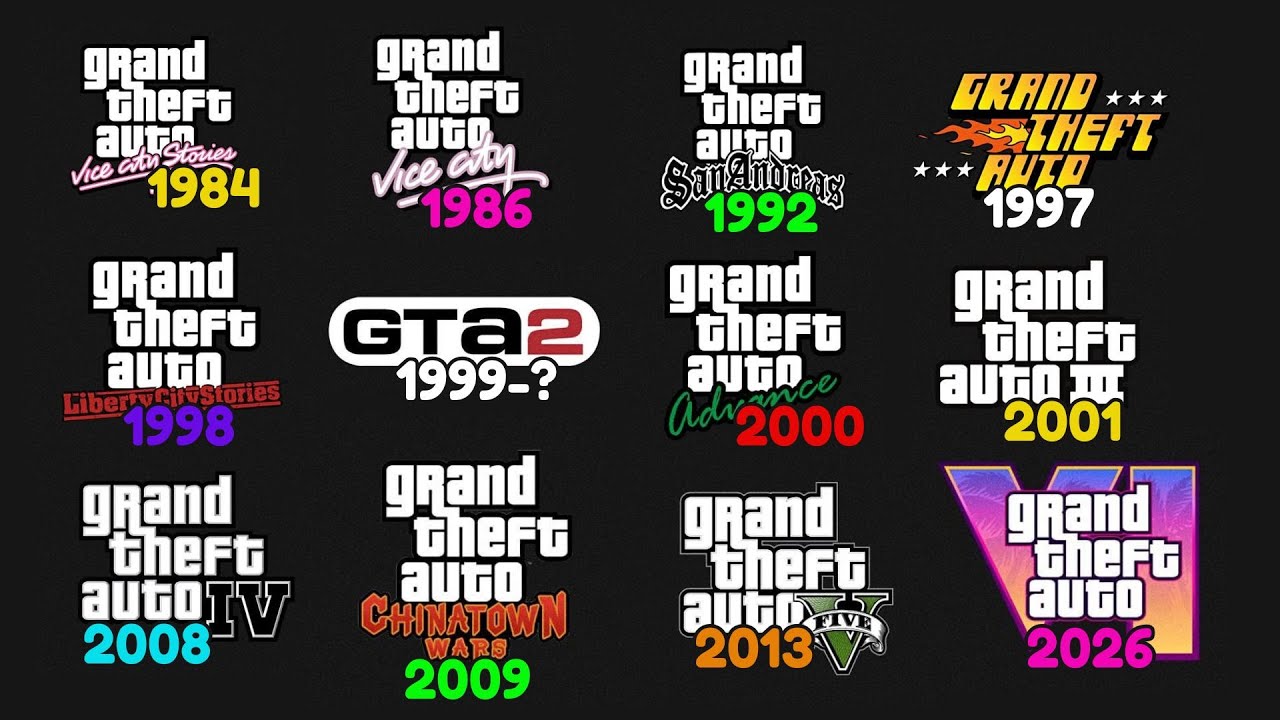
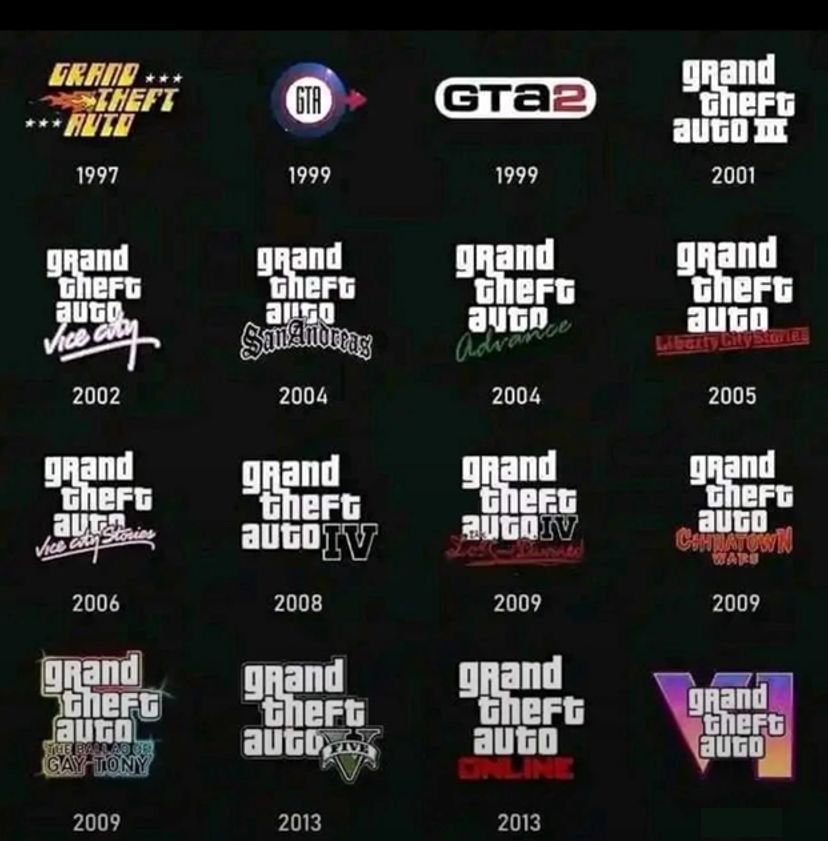


How To Play Grand Theft Auto Games In Correct Order 1997 2026 GTA . Grand Theft Auto VI Projected To Generate 7 6 Billion In First 60 Days Grand Theft Auto VI Projected To Generate 7.6 Billion 2 . History Of Gta Games At Virginia Lyman Blog . Grand Theft Auto Timeline The Gaps Between Releases R Gaming . GTA Games In Order Grand Theft Auto Gta Grand Theft Auto Games


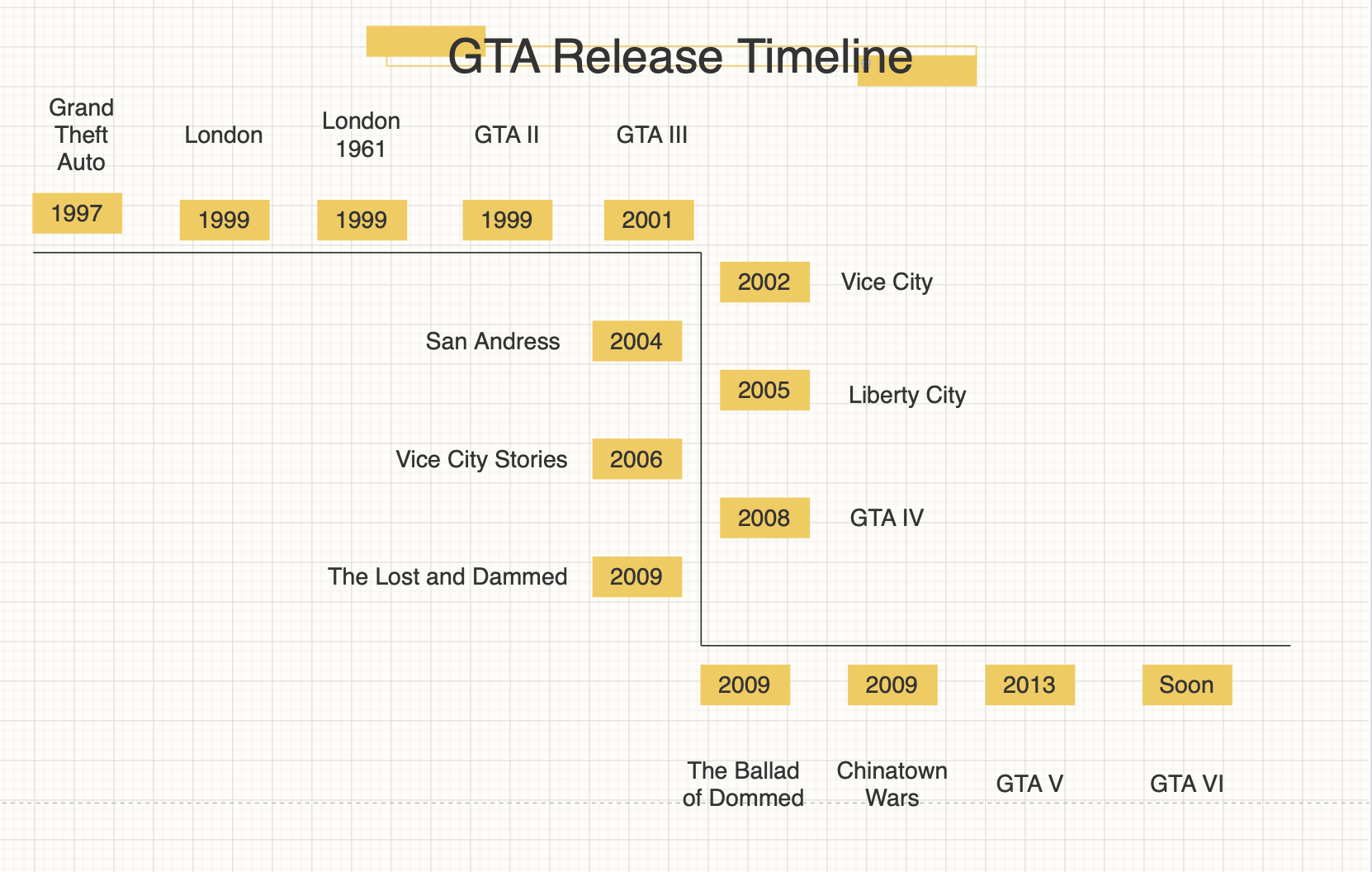

How To Play GTA Games In Order Vs Release Timeline Guide How To Play GTA Games In Order.webp. Timeline Of GTA Games R Rockstar . GTA Series Release Timeline Complete History Details Mindonmap Gta Release Timeline . Gta In Order Gta Order LTAX The Complete GTA Games List 768x443 . The Timelines Of The GTA Games Explained Gta Series



Grand Theft Auto Series Games . GTA Timeline Every GTA Game In Order GamesRadar 1920 80 . Grand Theft Auto Universe Timelines Explanation Updated 2024 R GTAIV Grand Theft Auto Universe Timelines Explanation Updated 2024 V0 . Where Does GTA Online Fit On The GTA Series Timeline B8ec5 800 . History Of Gta Games At Virginia Lyman Blog

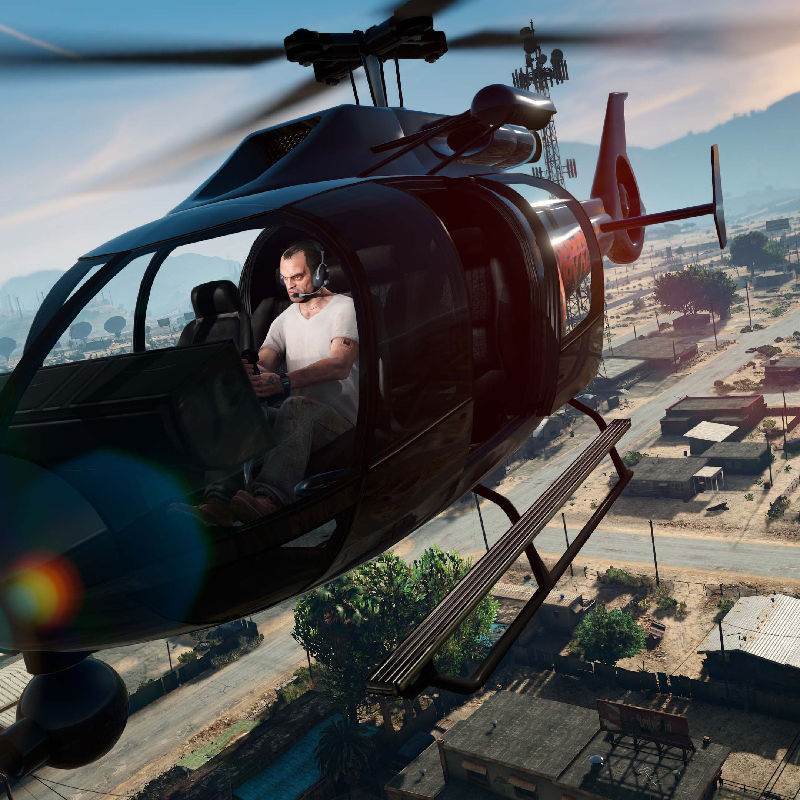


How To Play All GTA Games In Order 02 1600 . GTA 6 Release Erst 2026 Erste Reaktionen Auf Die 37979754 Das Gta Spiele Cover Im Vodergrund Der Jahreszahl 2026 . All GTA Games In Order Gta Hero . GTA 6 2026 YouTube . GTA 6 Auf 2026 Verschoben Neuer Best Tigt Mydealz Magazin Gta Vi 2026 Mai Gruende Warum 1200x675
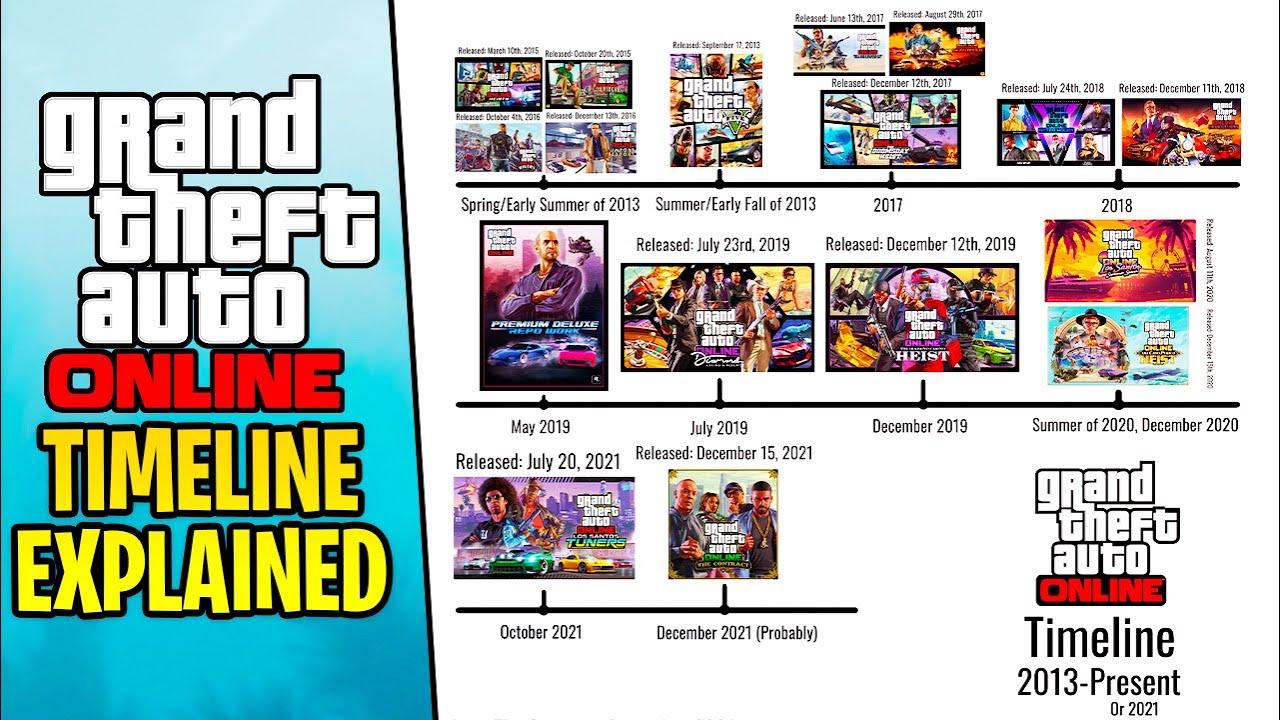
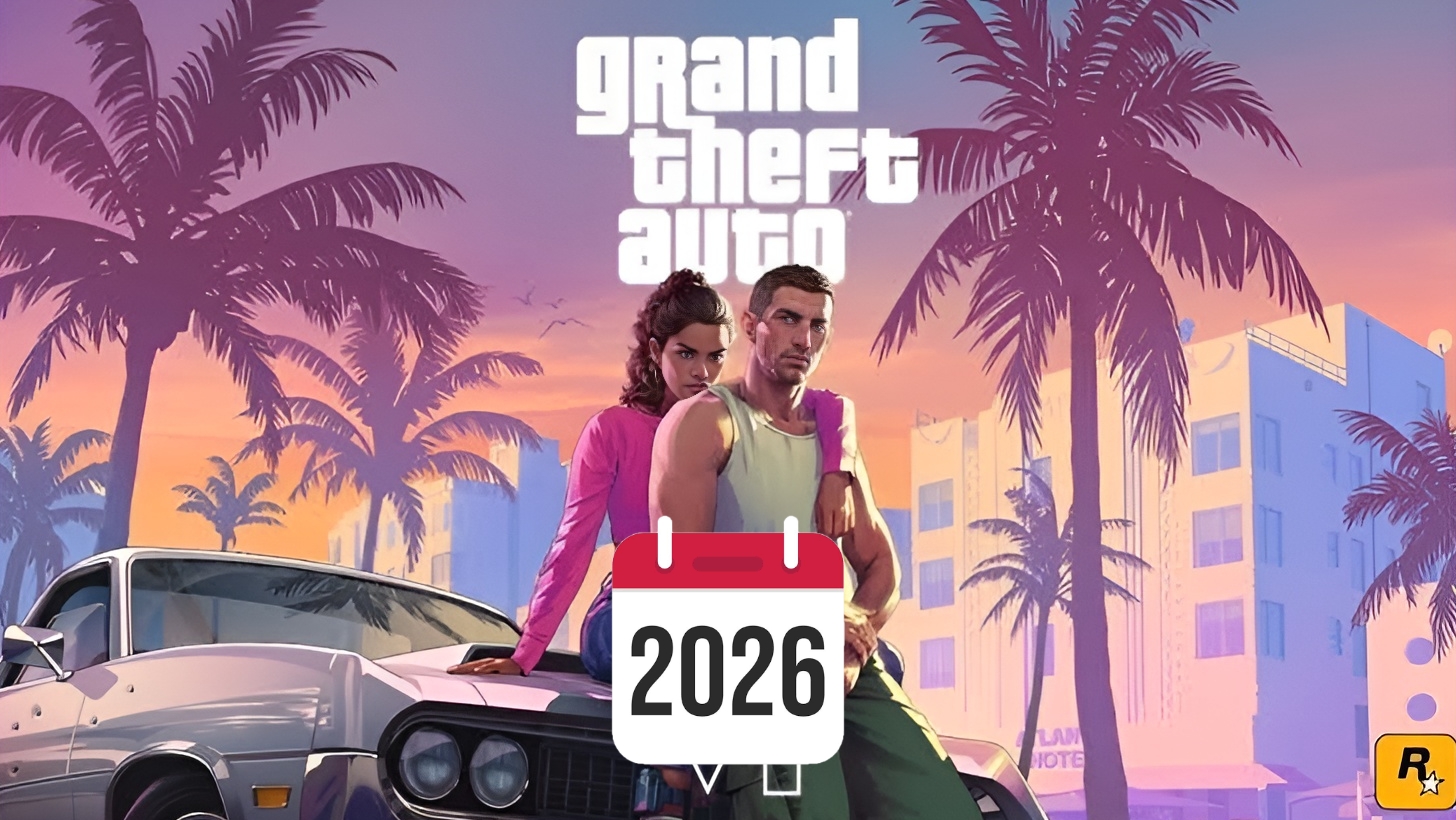
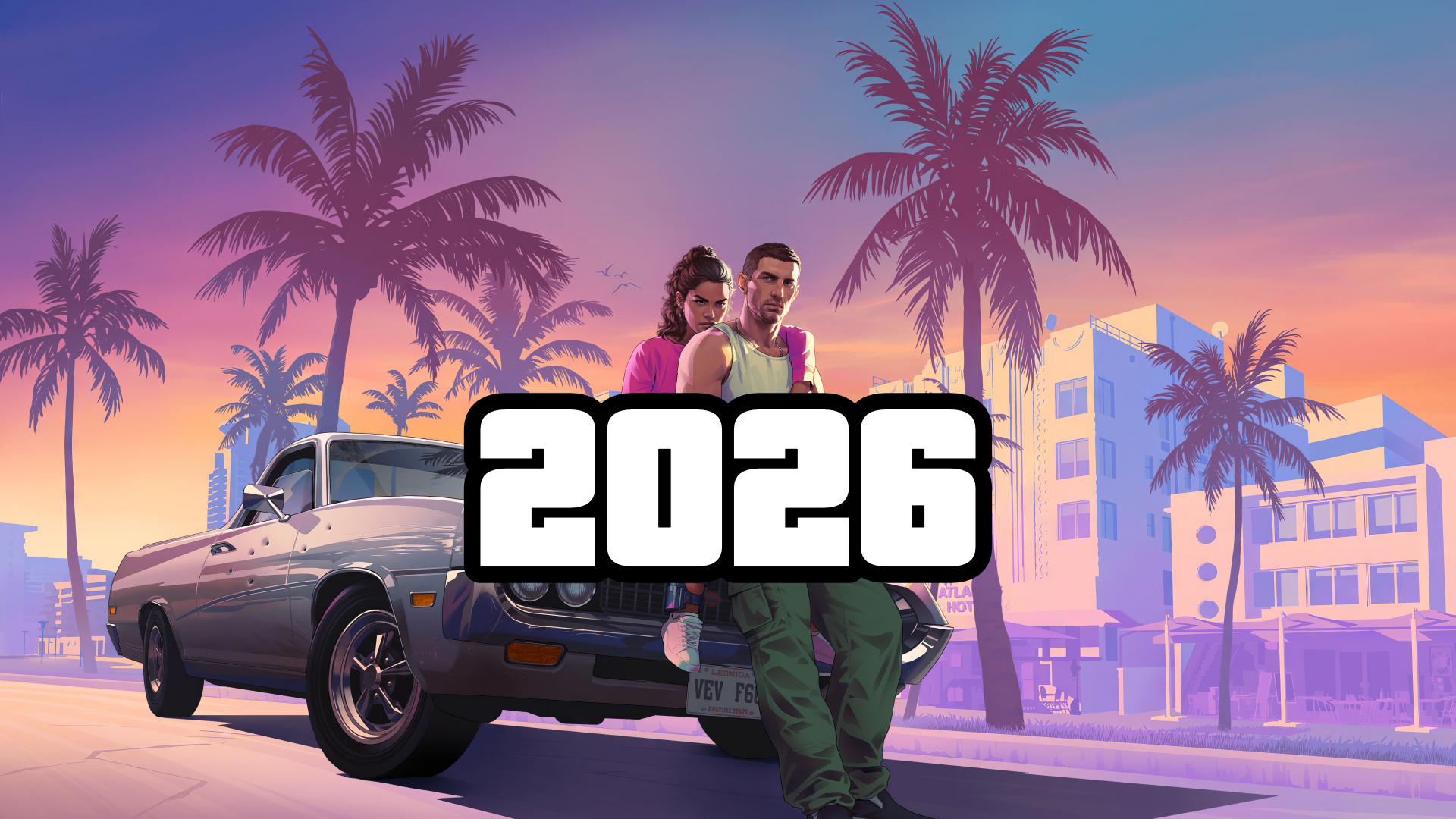
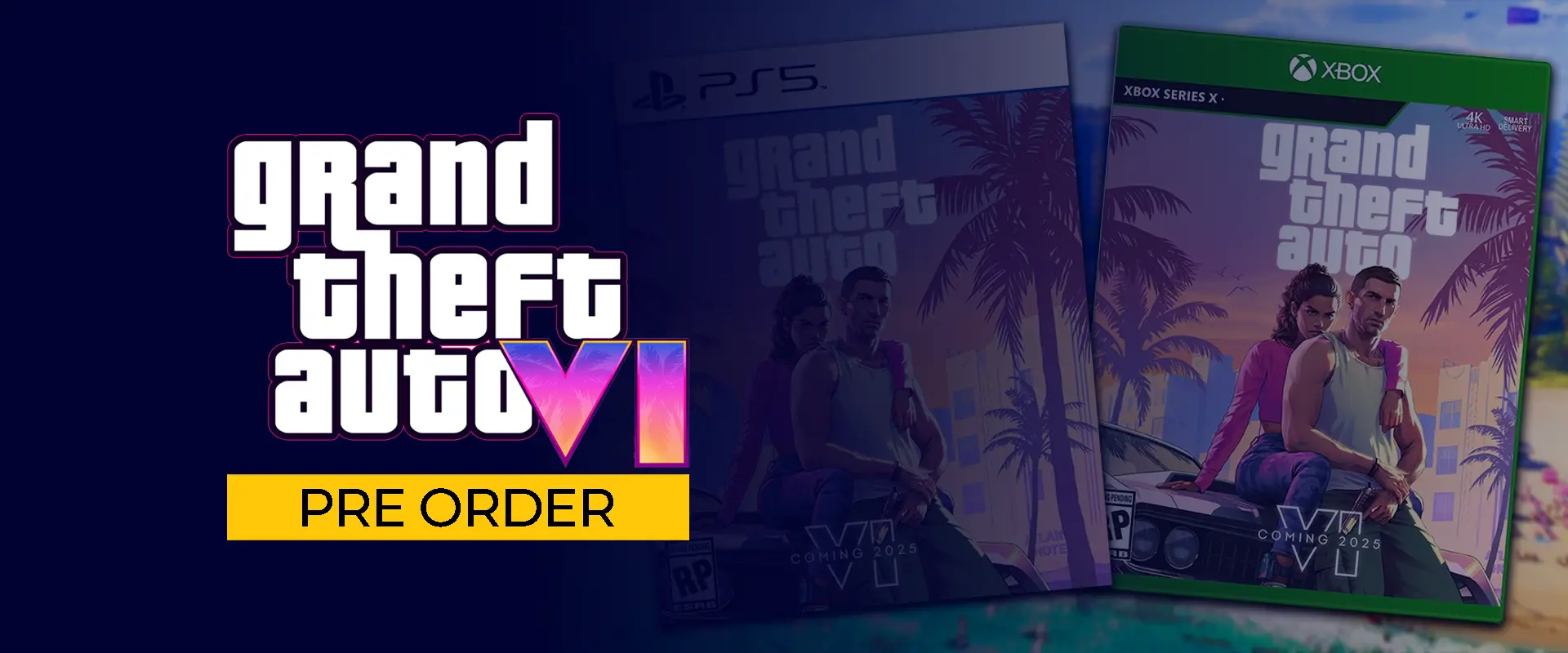
The Full GTA 5 Online Timeline 2013 2021 YouTube . What Does Threads Mean In Gta San Andreas At Adam Marylou Blog . GTA 6 Release May Be Delayed Until 2026 SDN Sektor Uzmanlarina Gore Gta 6 2026ya Ertelenecek . GTA VI Could Be Delayed To 2026 KitGuru Cropped 1920 1080 1343612 . Drew Barrymore Movies In Order A Complete Guide Black GTA 6 Pre Order.webp


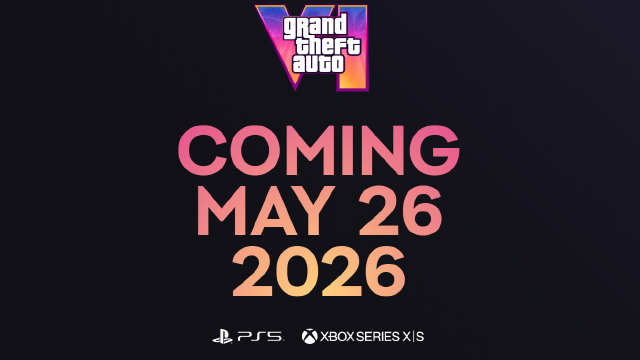
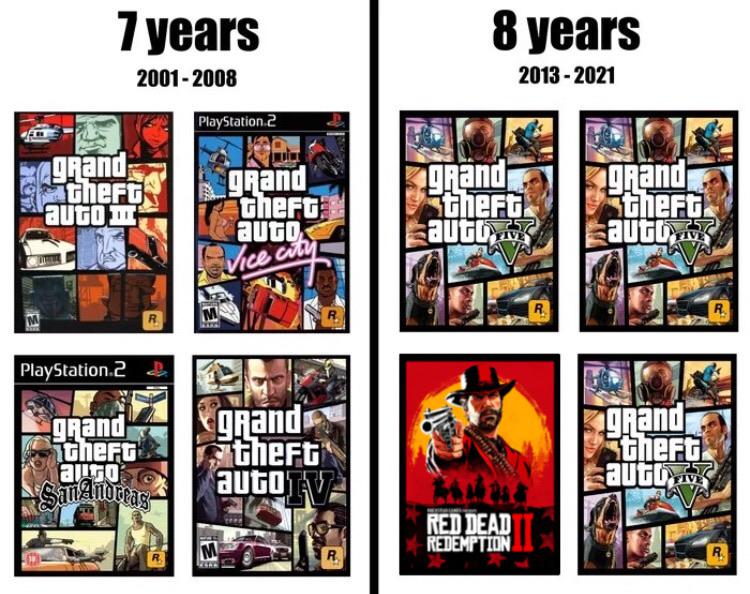

This Makes More Sense Now R GTA6 This Makes More Sense Now V0 . Rockstar GTA VI Lanzamiento De GTA 6 El 26 De Mayo 2026 . GTA VI Officially Delayed Now Releasing On May 26 2026 Gta 6 Release Date May 26 2026 . Red Dead Games In Order At David Sells Blog . Grand Theft Auto VI TRAILER 2 OUT NOW May 26 2026 PS5
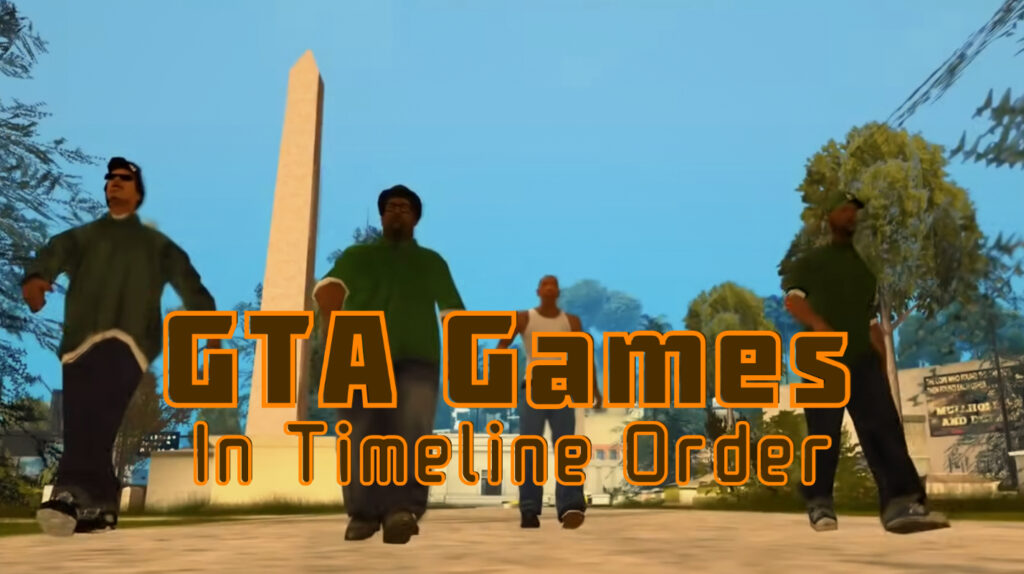

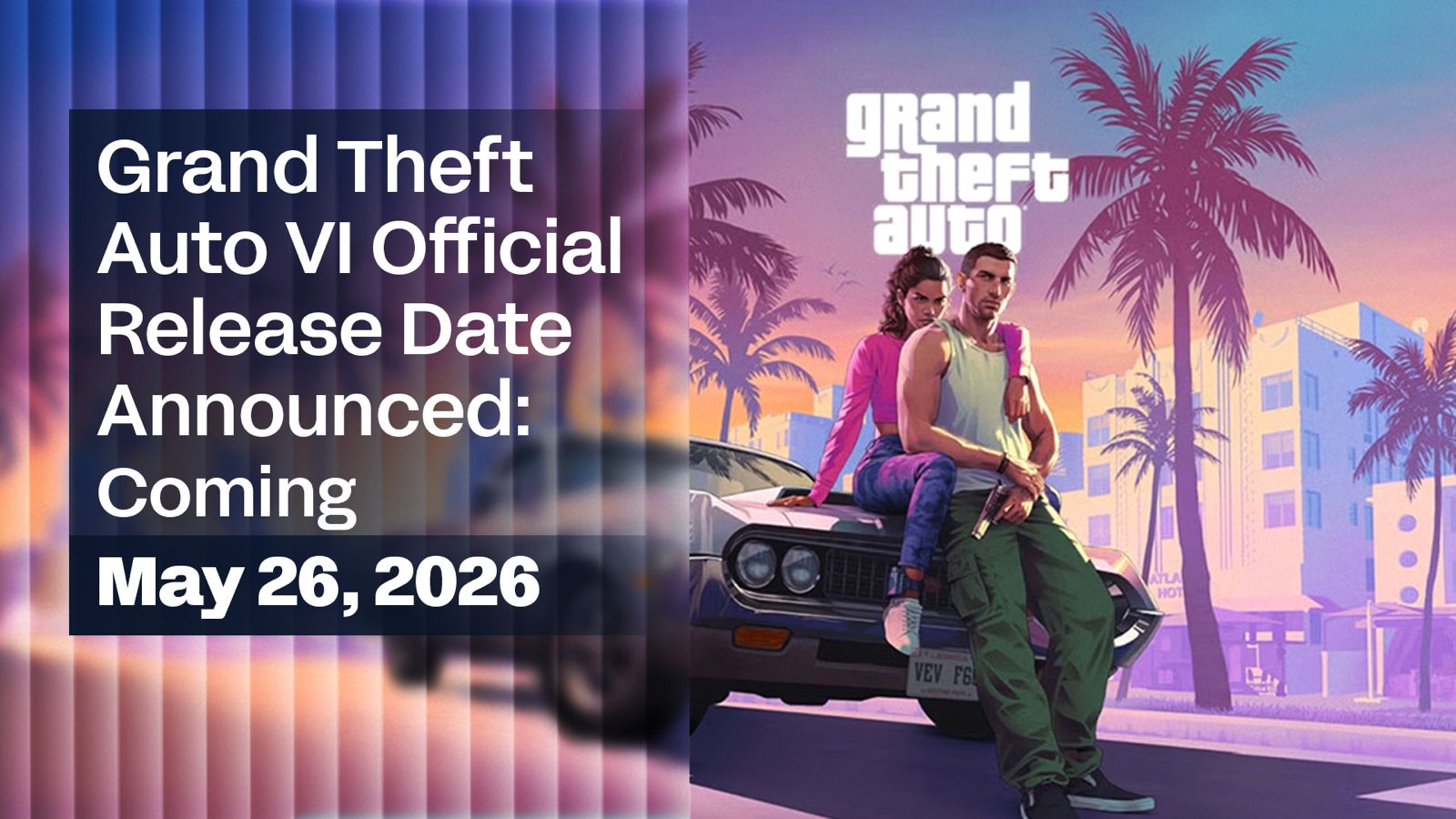

GTA Games In Order Full Grand Theft Auto Timeline In 2026 Grand Theft Auto Order Cover 1024x574 . How To Play The Assassin S Creed Games In Order And . Grand Theft Auto VI Official Release Date Announced Coming May 26 2026 . How To Play GTA Games In Order Vs Release Timeline Guide All Zones In Escape Tsunami For Brainrots 585x390 . All Grand Theft Auto V Cheats For PlayStation 5 Every Grand Theft Auto Game In Order