Many PC gamers in 2026 wonder how updating their motherboard BIOS truly impacts gaming performance This guide explores the direct and indirect benefits including enhanced compatibility for new CPUs and GPUs crucial bug fixes and potential stability improvements that can prevent crashes and stuttering Learn when a BIOS update is genuinely helpful for your gaming rig and when it might be an unnecessary risk We cover common myths and facts providing expert insights to help you decide if a BIOS update is right for your system ensuring you maintain optimal gaming experiences in the latest titles and hardware setups understanding that while not a direct FPS booster BIOS updates are vital for system health and future readiness in the ever evolving gaming landscape
Does updating BIOS directly improve gaming FPS
Direct FPS improvements from a BIOS update are rare for existing hardware configurations. Updates primarily focus on stability, compatibility, and new hardware support, not raw performance boosts for components already functioning optimally.
When should a gamer consider updating their BIOS
Gamers should consider a BIOS update when upgrading to a newer CPU or GPU that requires specific firmware support, experiencing system instability or crashes, or to patch critical security vulnerabilities. It is not a routine maintenance task.
What are the risks of updating a motherboard BIOS
The primary risks include system instability, potential data corruption, or even bricking the motherboard if the update process is interrupted or the incorrect firmware is flashed. Always follow manufacturer instructions precisely.
Can BIOS updates improve RAM or CPU overclocking stability
Yes some BIOS updates introduce improved memory compatibility profiles XMP EXPO or refined voltage regulation for CPUs which can enhance the stability and potential headroom for overclocking RAM and processors
Are BIOS updates necessary for future gaming technologies like PCIe 50
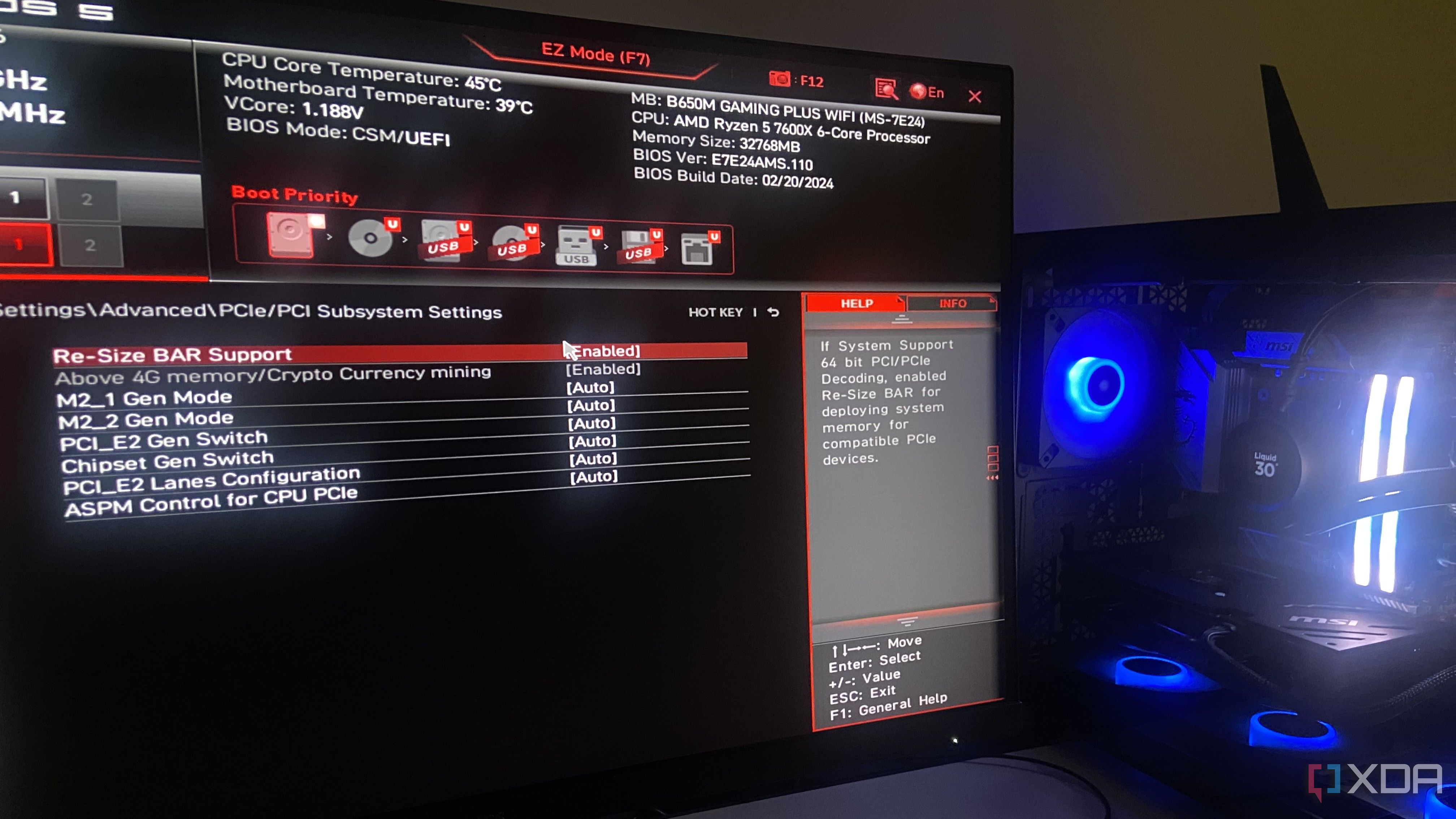
Absolutely For newer motherboards BIOS updates are often critical to fully enable and optimize next-generation technologies like PCIe 50 for the latest GPUs and NVMe SSDs ensuring maximum bandwidth and performance
How Updating BIOS Boosts Gaming Performance 2026 Guide
In the fast-evolving world of PC gaming in 2026 where AI-enhanced titles and high-refresh-rate 8K monitors are becoming the norm every enthusiast seeks an edge Whether it is a new RTX 5000 series GPU or the latest Ryzen 9000 CPU we are constantly looking for ways to squeeze out more performance But what about the humble BIOS Does updating BIOS improve gaming performance Is it a magical FPS booster or an often-overlooked necessity that keeps your rig running smoothly and ready for the future Many gamers overlook their motherboard's Basic Input/Output System or BIOS considering it an archaic component of their system In this comprehensive guide we will deep dive into the real impact of BIOS updates on your gaming experience separating fact from fiction and providing you with the essential knowledge to make informed decisions for your 2026 gaming setup
The landscape of PC gaming is more competitive and technologically advanced than ever before With cloud gaming expanding and hardware pushing boundaries a stable and optimized system is paramount for immersive experiences from action-adventure epics to demanding competitive shooters We will cover the specific scenarios where a BIOS update is beneficial the potential pitfalls and provide a clear roadmap for when and how to approach this often-intimidating procedure Join us as we explore whether a BIOS update is the missing piece in your gaming optimization puzzle or merely a routine maintenance task.
Understanding the BIOS in 2026
The BIOS or its modern successor UEFI Unified Extensible Firmware Interface is the foundational software that initializes your computer's hardware before the operating system loads In 2026 with increasingly complex hardware ecosystems and stringent security demands the role of the BIOS is more critical than ever It dictates how your CPU RAM storage and peripherals communicate with each other laying the groundwork for your system's performance and stability

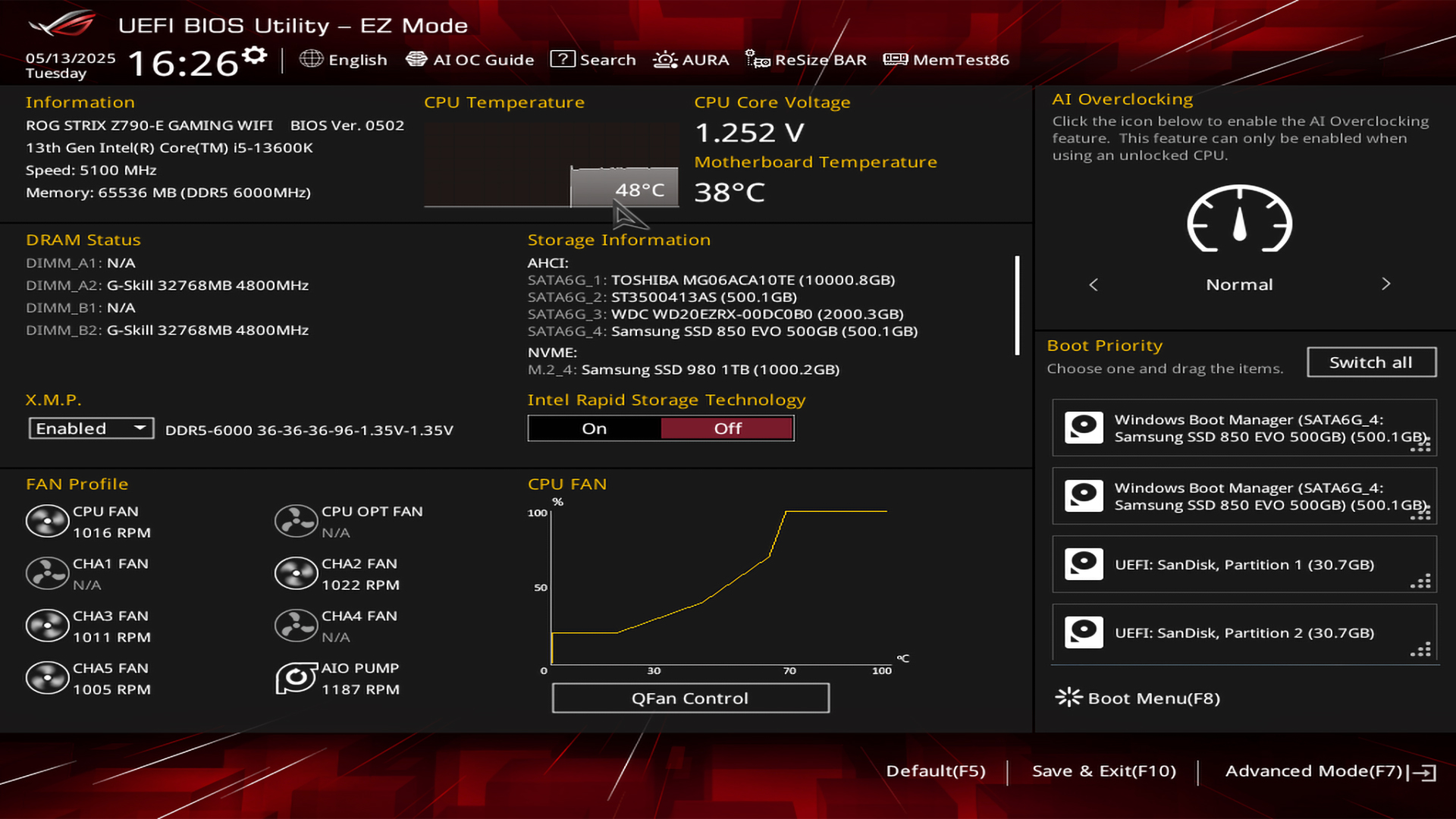
Modern UEFI interfaces are far more user-friendly than their text-based predecessors offering mouse support graphical menus and advanced configuration options crucial for optimizing gaming rigs These settings include fan curves overclocking profiles boot sequences and power management features all of which can indirectly influence your gaming experience An outdated BIOS might not fully support new hardware generations or implement the latest performance optimizations from chip manufacturers.
What Exactly is a BIOS Update
A BIOS update involves flashing new firmware onto your motherboard's non-volatile memory These updates are released by motherboard manufacturers to address various issues enhance compatibility and introduce new features Think of it like a software patch for your motherboard's core programming It is a low-level process that fundamentally changes how your system interacts with its components
Does Updating BIOS Improve Gaming Performance The Core Question
This is the question on every gamer's mind The short answer is rarely directly in terms of raw frames per second for an already established and stable system However indirectly and for specific scenarios a BIOS update can significantly enhance your gaming experience Here's how
Enhanced Hardware Compatibility
One of the most common reasons for a BIOS update is to ensure compatibility with newer hardware components For instance if you are upgrading your CPU to a newer generation on an older motherboard a BIOS update is almost always mandatory without it your system may not even boot or recognize the new processor In 2026 with rapid advancements in CPU and GPU architectures supporting the latest silicon often requires the most current motherboard firmware

For example when Intel or AMD release a new CPU line that uses the same socket as a previous generation a BIOS update will add the necessary microcode for your motherboard to properly communicate with and utilize the new CPU's features and instruction sets This is critical for getting the most out of your expensive new gaming CPU.
Improved System Stability and Bug Fixes
Gaming demands rock-solid stability Nothing ruins an intense gaming session faster than a sudden crash freeze or blue screen of death BIOS updates frequently include bug fixes that address stability issues memory compatibility problems or specific hardware conflicts These fixes can prevent random reboots improve sleep/wake functionality and overall system reliability which is crucial for competitive gaming or long play sessions
Consider a scenario where a specific game engine combined with a particular GPU driver and an older BIOS causes intermittent stuttering or crashes A BIOS update might resolve underlying power management or communication issues that contribute to these problems resulting in a smoother more consistent gaming experience
Optimized Memory Support XMP EXPO
RAM performance is vital for gaming BIOS updates often bring improved support for high-speed RAM modules specifically enhancing XMP Extreme Memory Profile for Intel or EXPO Extended Profiles for Overclocking for AMD compatibility This means your system can more reliably run your RAM at its advertised speeds without instability or needing manual voltage adjustments Getting your RAM to run at its optimal speed can offer tangible albeit small performance improvements in many games
Better Overclocking Potential
While not a direct FPS boost in itself a more refined BIOS can sometimes lead to greater overclocking stability and headroom for your CPU and RAM Manufacturers often fine-tune voltage regulation and power delivery settings in newer BIOS versions allowing enthusiasts to push their hardware further with greater stability This can translate into higher sustained clock speeds under load which can then indirectly benefit gaming performance
Security Patches
In 2026 cybersecurity is paramount BIOS updates often include patches for critical security vulnerabilities such that could theoretically be exploited by malicious software Although less directly impacting gaming performance ensuring your system is secure protects your data and prevents potential performance degradation from malware that could be running in the background
Support for New Technologies
As gaming hardware evolves so too must the foundational software BIOS updates are essential for unlocking full support for new technologies For example enabling PCIe 50 for the latest GPUs and NVMe SSDs or ensuring optimal performance with DDR5 RAM often requires the most recent BIOS firmware Without these updates you might not be getting the full bandwidth or speed benefits of your cutting-edge components
When to Update Your BIOS for a Gaming PC
Given the potential benefits and risks it is crucial to know when a BIOS update is genuinely warranted for your gaming rig
- New CPU or Major Hardware Upgrade If you are installing a newer generation CPU on an existing motherboard a BIOS update is almost certainly required for compatibility and optimal performance.
- Persistent System Instability If your gaming PC experiences frequent crashes freezes or unexplained errors despite updated drivers and stable hardware a BIOS update might contain a fix.
- Specific Bug Fixes Check your motherboard manufacturer's support page for specific issues that affect your system or a game you play. If an update addresses a known bug you are encountering it is worth considering.
- New Feature Support If a BIOS update introduces support for a new technology you plan to use such as a specific type of high-speed memory or a new storage protocol.
- Security Vulnerabilities When a critical security vulnerability affecting your motherboard's firmware is patched by an update it is highly recommended to install it.
When to Avoid Updating Your BIOS
- If It Ain't Broke Don't Fix It If your system is perfectly stable and performing well with your current hardware there is generally no compelling reason to update your BIOS. The risks often outweigh the minimal potential benefits.
- Only for Minor Tweaks Do not update your BIOS solely for the hope of a magical FPS boost. Direct performance gains are usually negligible.
- Without Proper Research Never update your BIOS without first checking your motherboard's specific model and downloading the correct firmware from the manufacturer's official website.
The Risks Involved
Updating your BIOS is not without its dangers
- Bricking Your Motherboard The most severe risk is a failed update which can render your motherboard inoperable This usually happens if the power is cut during the update process or if the wrong BIOS file is used.
- System Instability A new BIOS version might introduce new bugs or compatibility issues leading to system instability or even preventing your system from booting.
- Data Loss While rare an incorrectly flashed BIOS can sometimes lead to data corruption especially if it affects how your storage devices are recognized.
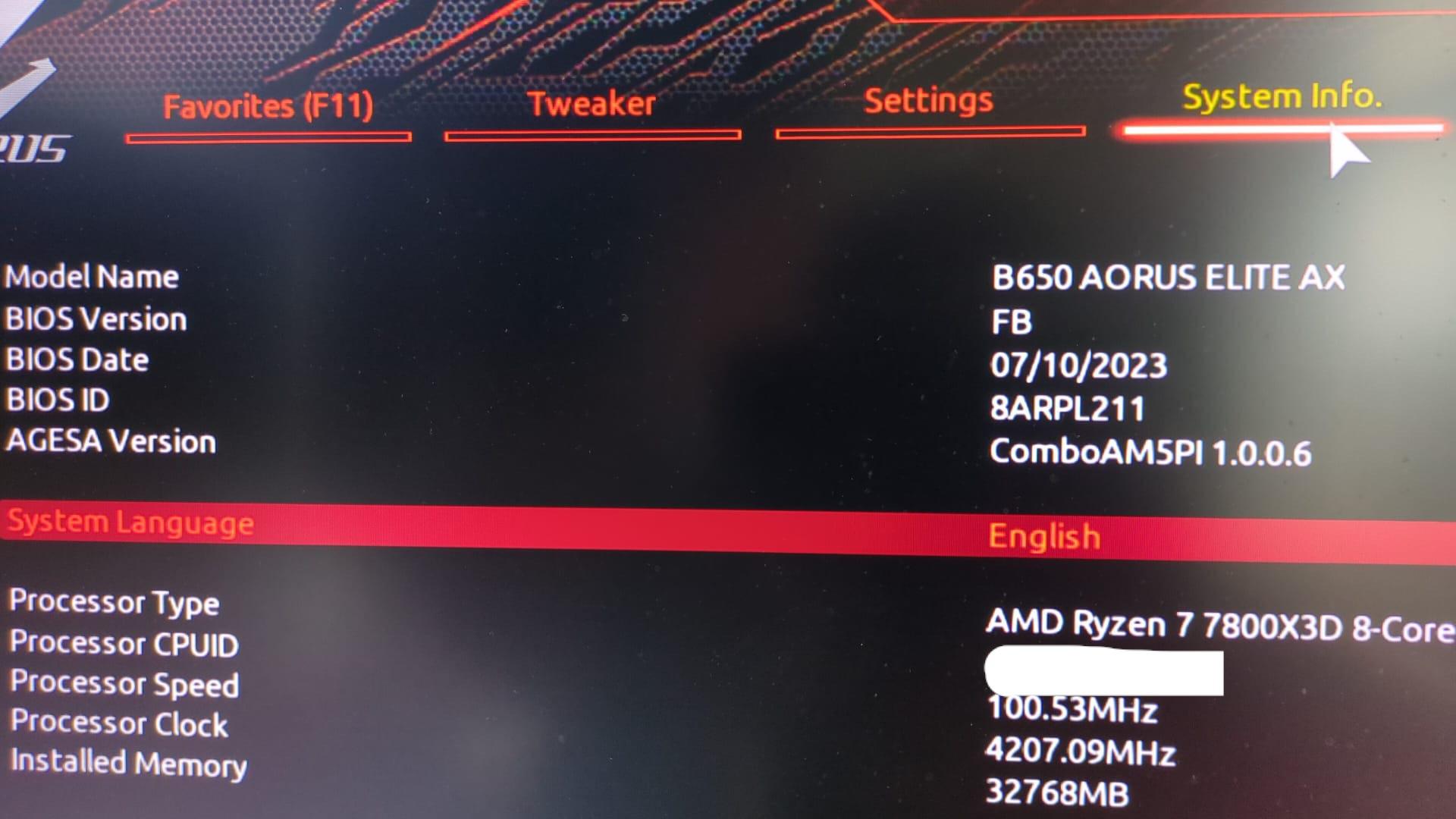
Always back up important data before attempting a BIOS update and ensure a stable power supply. Many modern motherboards include features like Dual BIOS or BIOS Flashback which can mitigate some of these risks by providing a recovery mechanism.

How to Update Your BIOS A 2026 Guide
The exact steps vary by motherboard manufacturer but the general process is similar
- Identify Your Motherboard Use a tool like CPU-Z or simply inspect your motherboard to find its exact model name and revision number.
- Visit Manufacturer's Website Go to the official support page for your specific motherboard model Download the latest stable BIOS version. Avoid beta versions unless you have a specific need.
- Prepare a USB Drive Format a USB flash drive (FAT32 is usually required). Copy the BIOS file to the root directory of the USB drive.
- Access BIOS/UEFI Restart your computer and repeatedly press the designated key (usually DEL F2 F10 or F12) to enter the BIOS/UEFI interface.
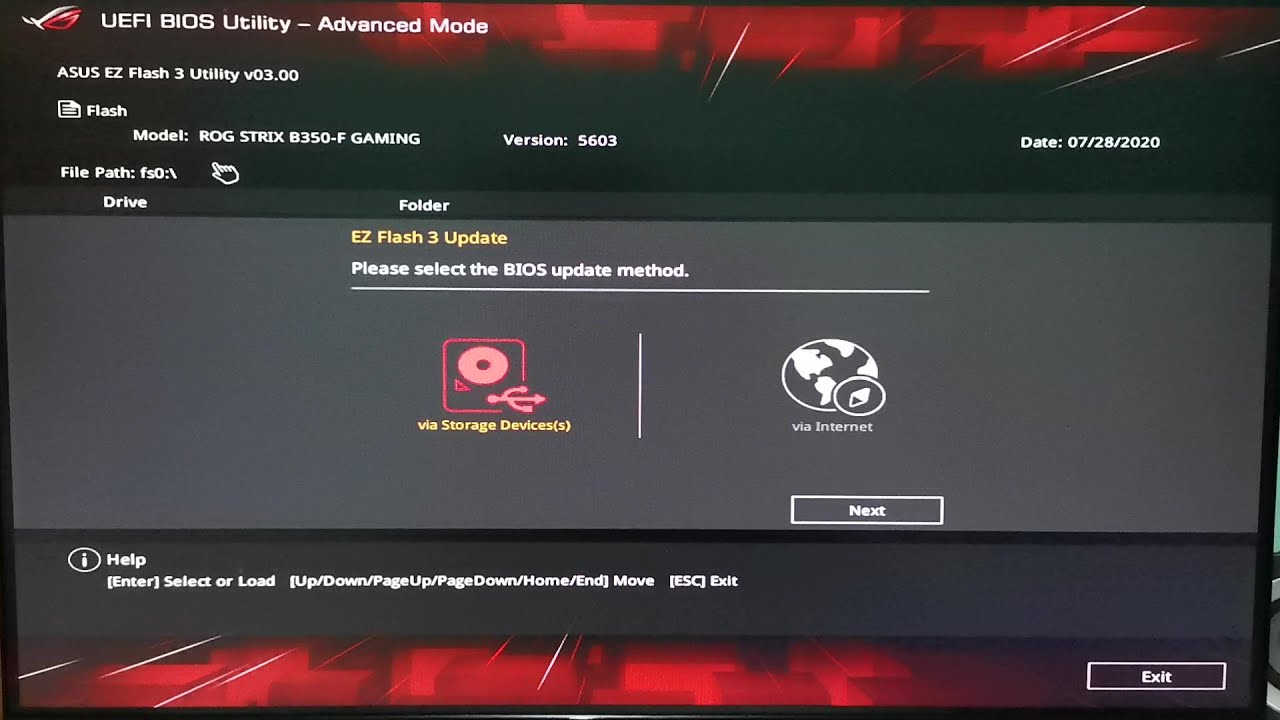
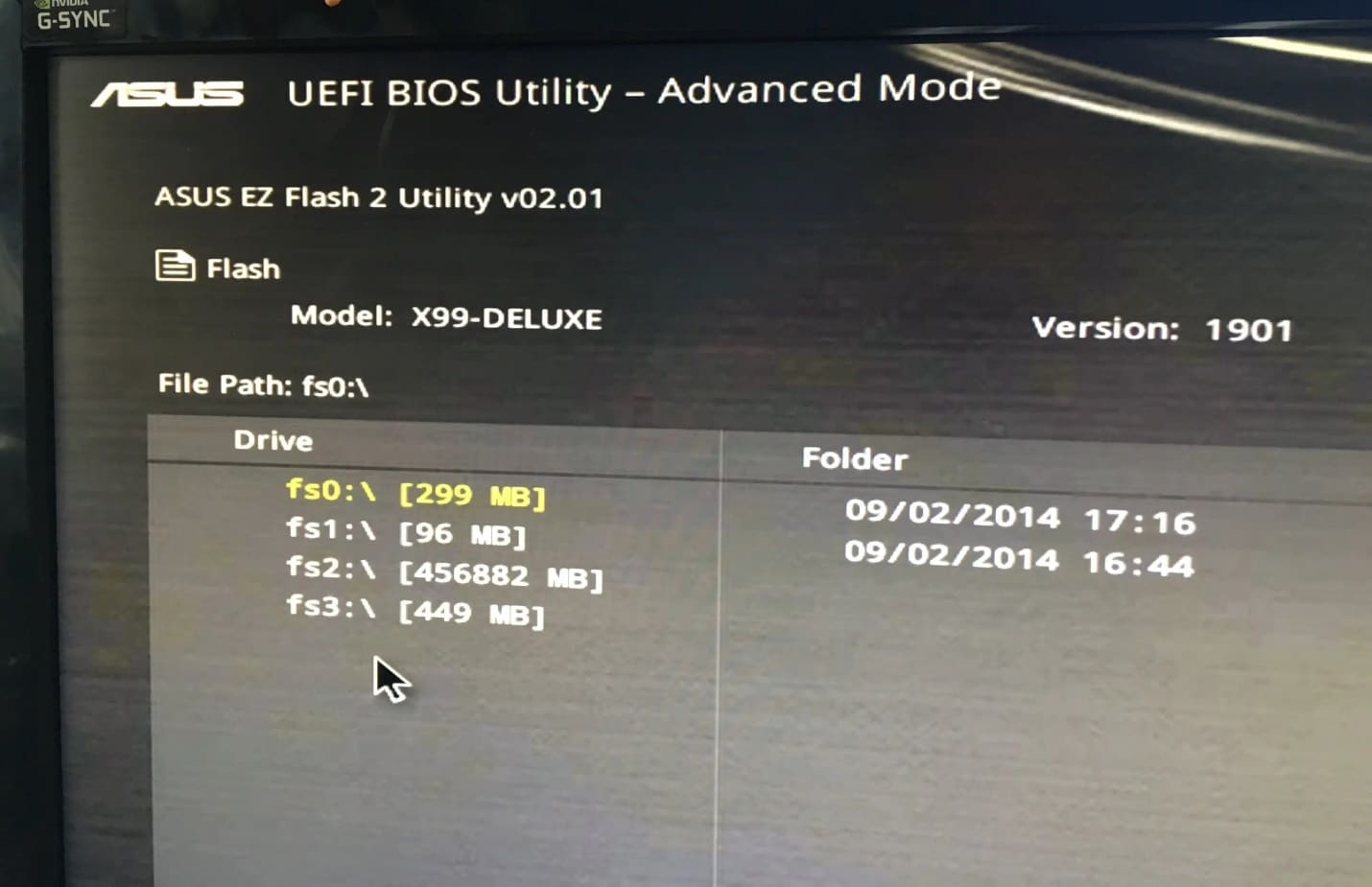
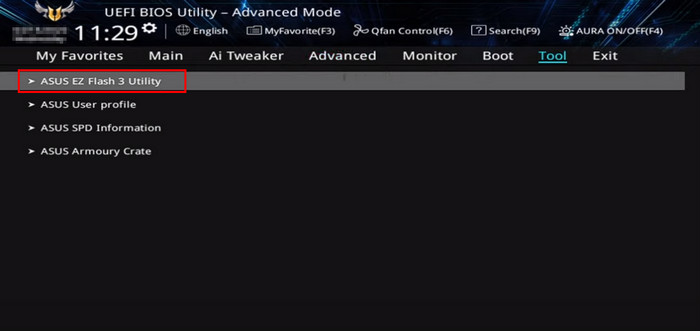
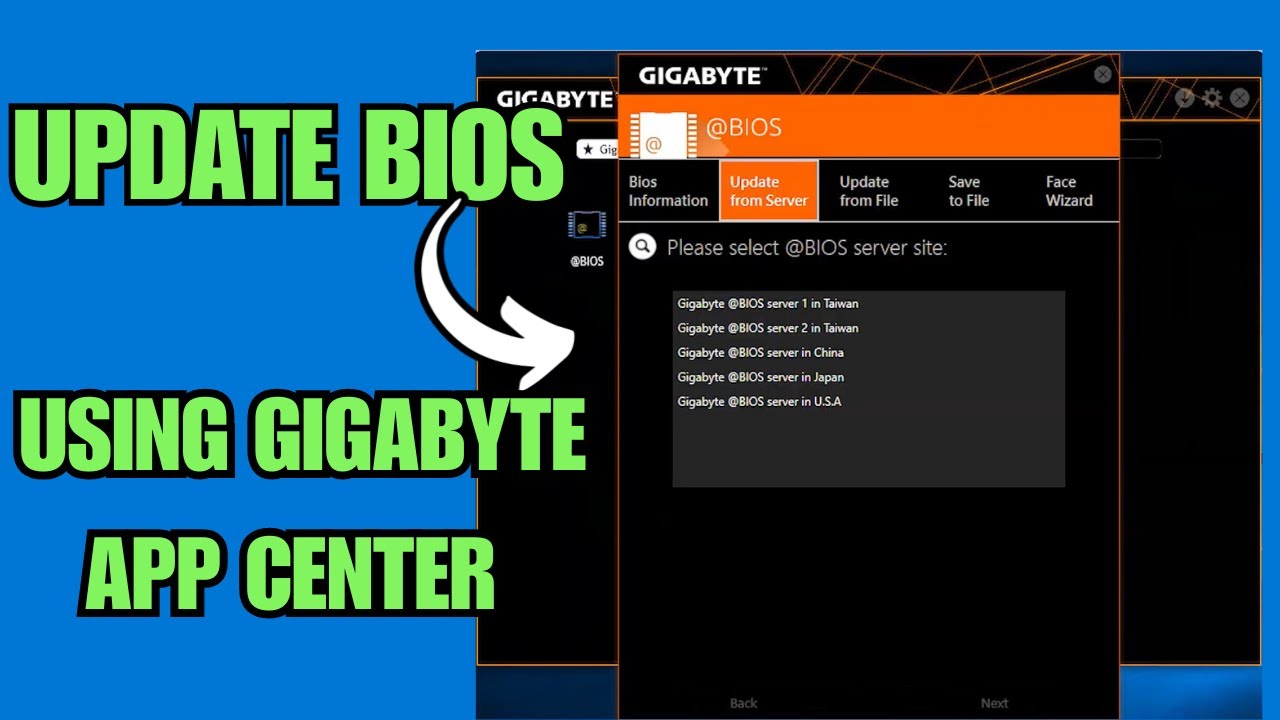
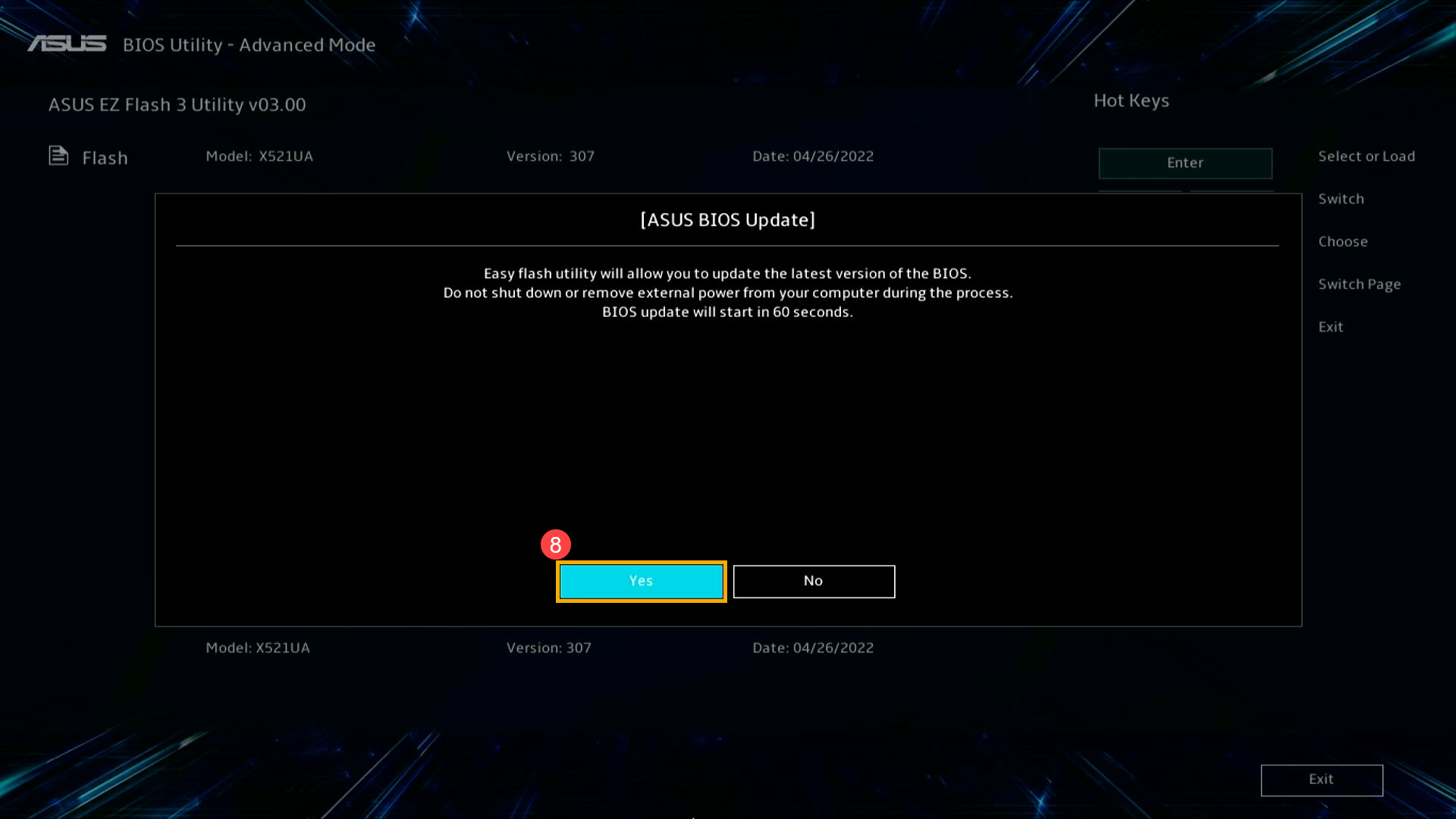
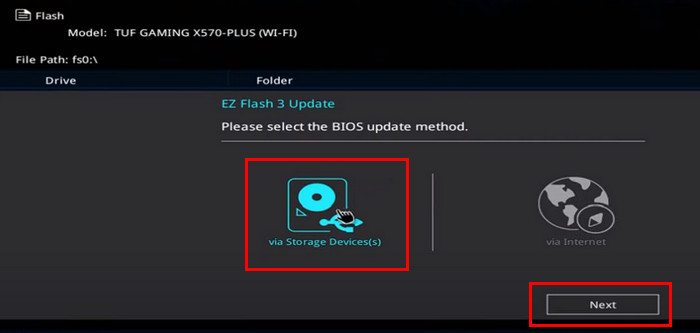
- Locate the Update Utility Find the BIOS update utility typically named Q-Flash EZ Flash M-Flash or similar.
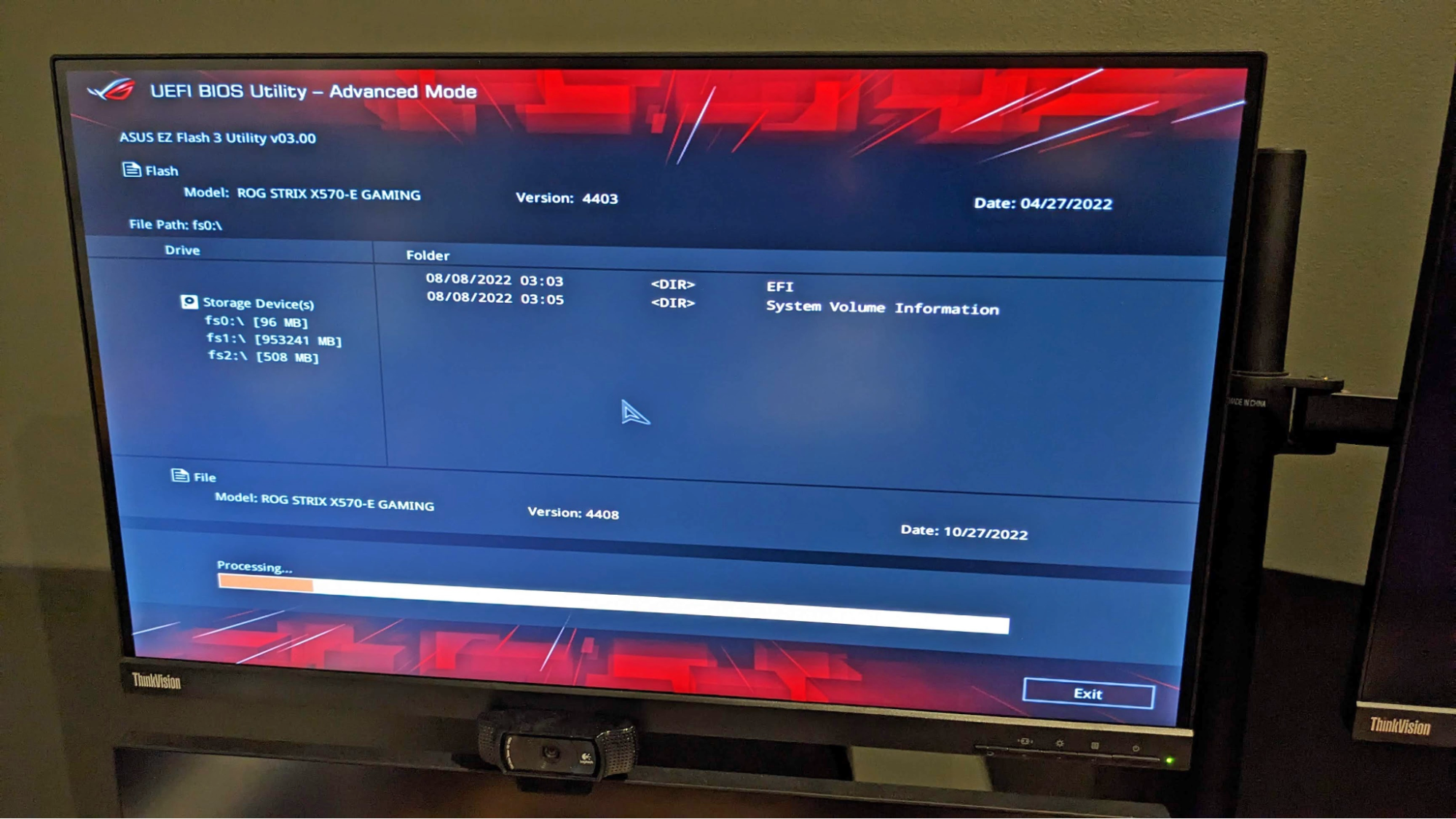
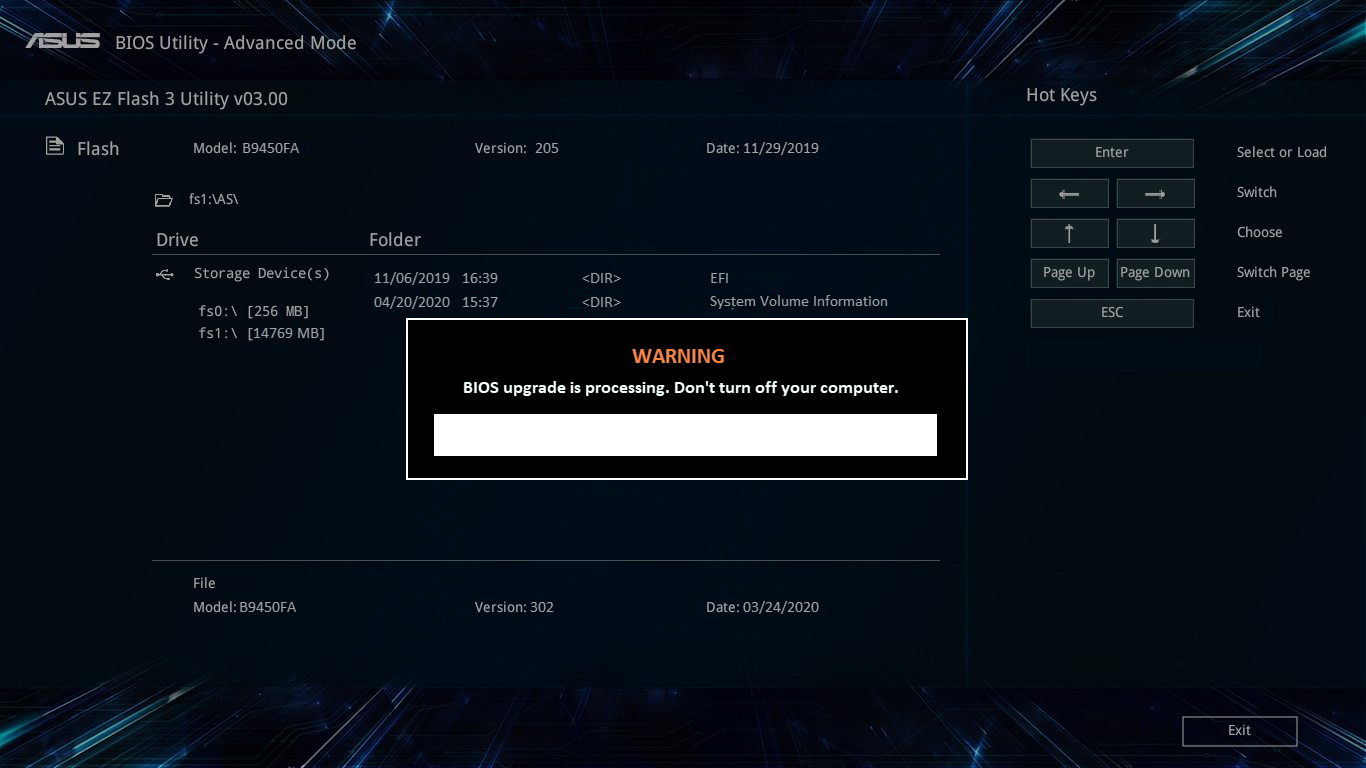
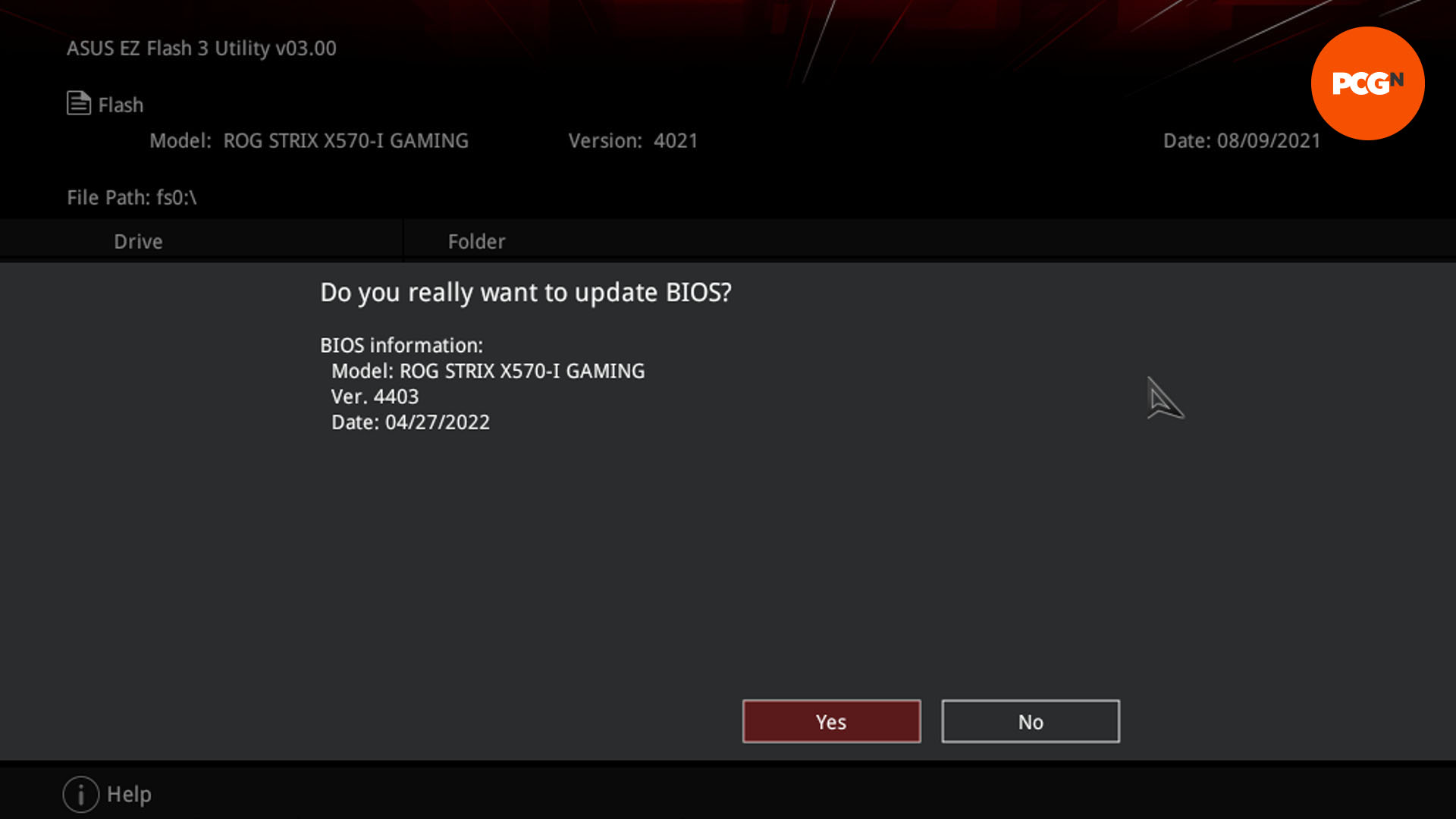
- Flash the BIOS Select the BIOS file from your USB drive and follow the on-screen prompts Do NOT power off or restart your system during this process.
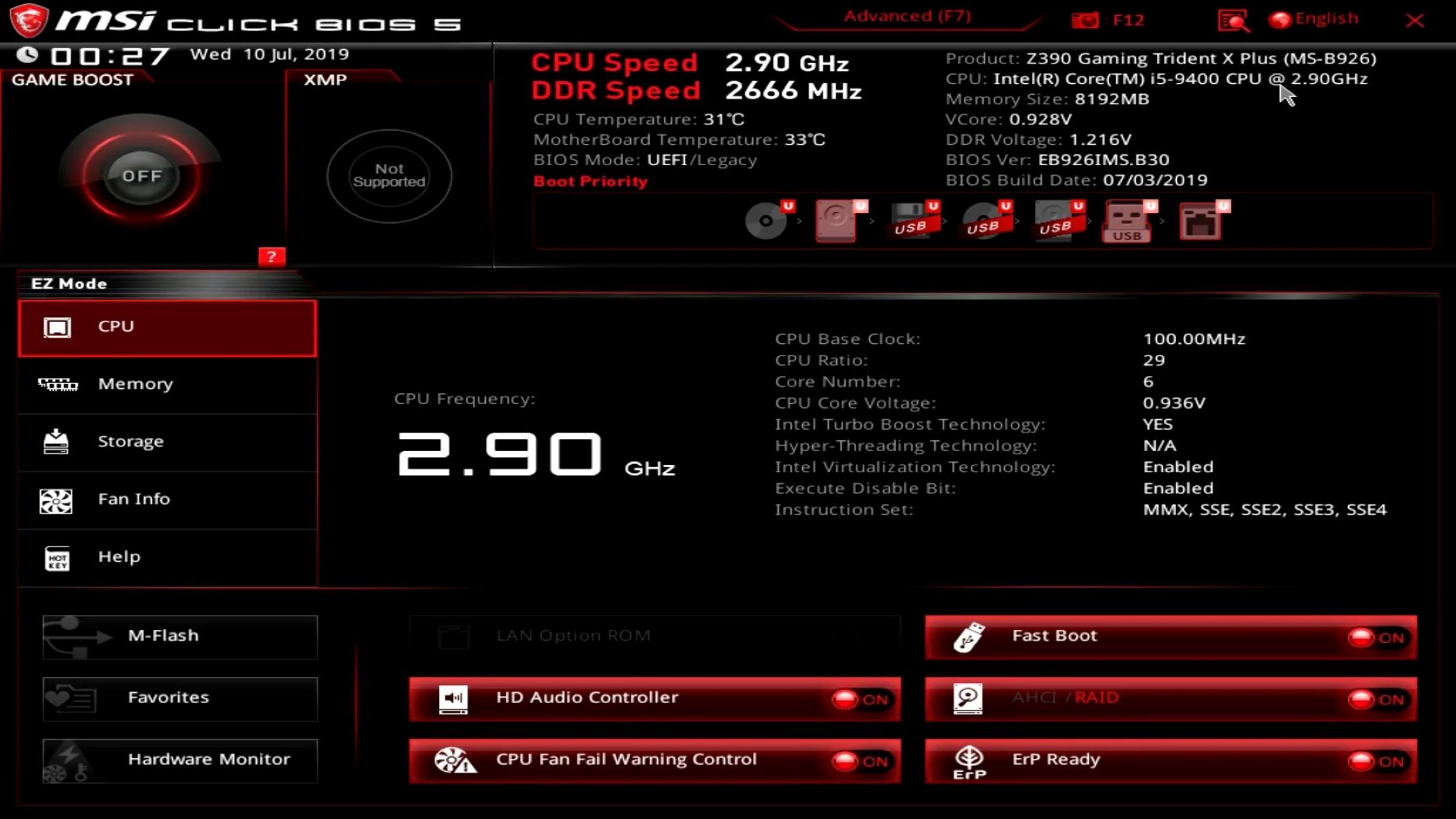
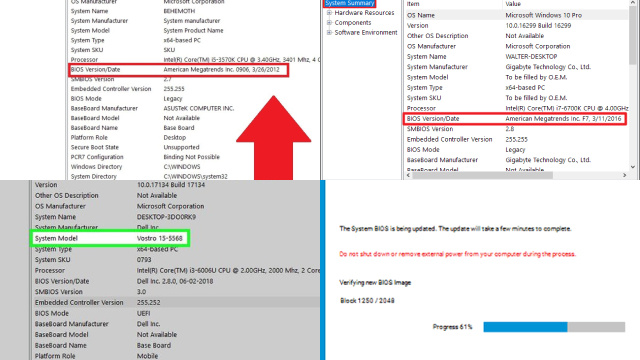
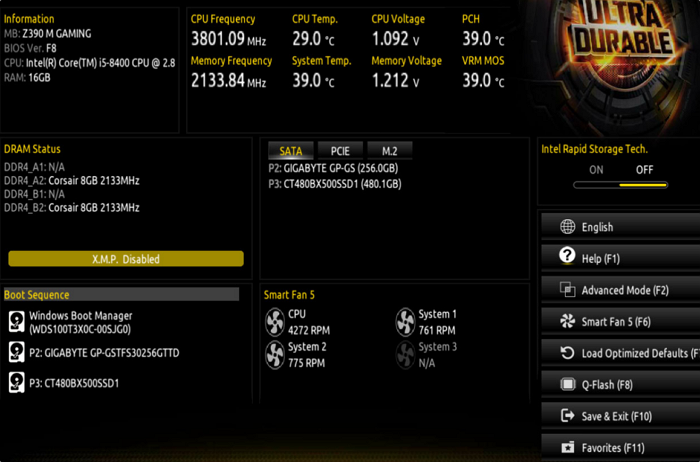
- Restart and Verify After the update is complete your system will restart It is a good idea to re-enter the BIOS to verify the new version number and reconfigure any custom settings like XMP profiles or boot order.
Author Insight 2026 Perspective
As an avid PC gamer and system builder for over two decades I have seen the BIOS evolve from a cryptic text interface to a powerful graphical hub In 2026 the integration of AI-powered system monitoring tools directly into UEFI is becoming more common offering real-time optimization suggestions based on your gaming workload While a BIOS update wont magically give you 20 more FPS in Cyberpunk 2077 or the latest Starfield expansion it is absolutely essential for foundational stability and ensuring your high-end 2026 hardware especially cutting-edge CPUs and GPUs can communicate effectively It is about creating a robust platform for gaming not a direct performance booster I personally ensure my BIOS is updated when upgrading my CPU or if I encounter persistent system oddities otherwise if it runs smoothly I leave it alone
Conclusion The BIOS Update Verdict
Does updating BIOS improve gaming performance The answer is nuanced While it rarely offers direct FPS gains for an already stable system it is undeniably crucial for maintaining optimal gaming performance through enhanced compatibility stability and support for new technologies In 2026 with hardware evolving at a blistering pace keeping your BIOS up-to-date is a key aspect of future-proofing your gaming rig and resolving those frustrating intermittent issues So approach BIOS updates with caution do your research and execute them only when necessary for a smoother more reliable and ultimately more enjoyable PC gaming experience Share your BIOS update experiences and tips in the comments below or check out our other guides on optimizing your 2026 gaming PC
Frequently Asked Questions About BIOS Updates and Gaming
Can an old BIOS version limit my new GPU performance
An outdated BIOS might not fully support newer GPU architectures potentially leading to compatibility issues or preventing the GPU from operating at its full potential particularly with features like PCIe 40 or 50 speeds Ensure your BIOS is current to unlock maximum GPU bandwidth and stability
How often should I update my BIOS for gaming
You should update your BIOS only when there is a specific reason such as installing new hardware like a CPU or GPU encountering persistent stability issues or patching critical security vulnerabilities Routine updates without a clear purpose are generally not recommended due to inherent risks
What is UEFI and how is it different from BIOS for gamers
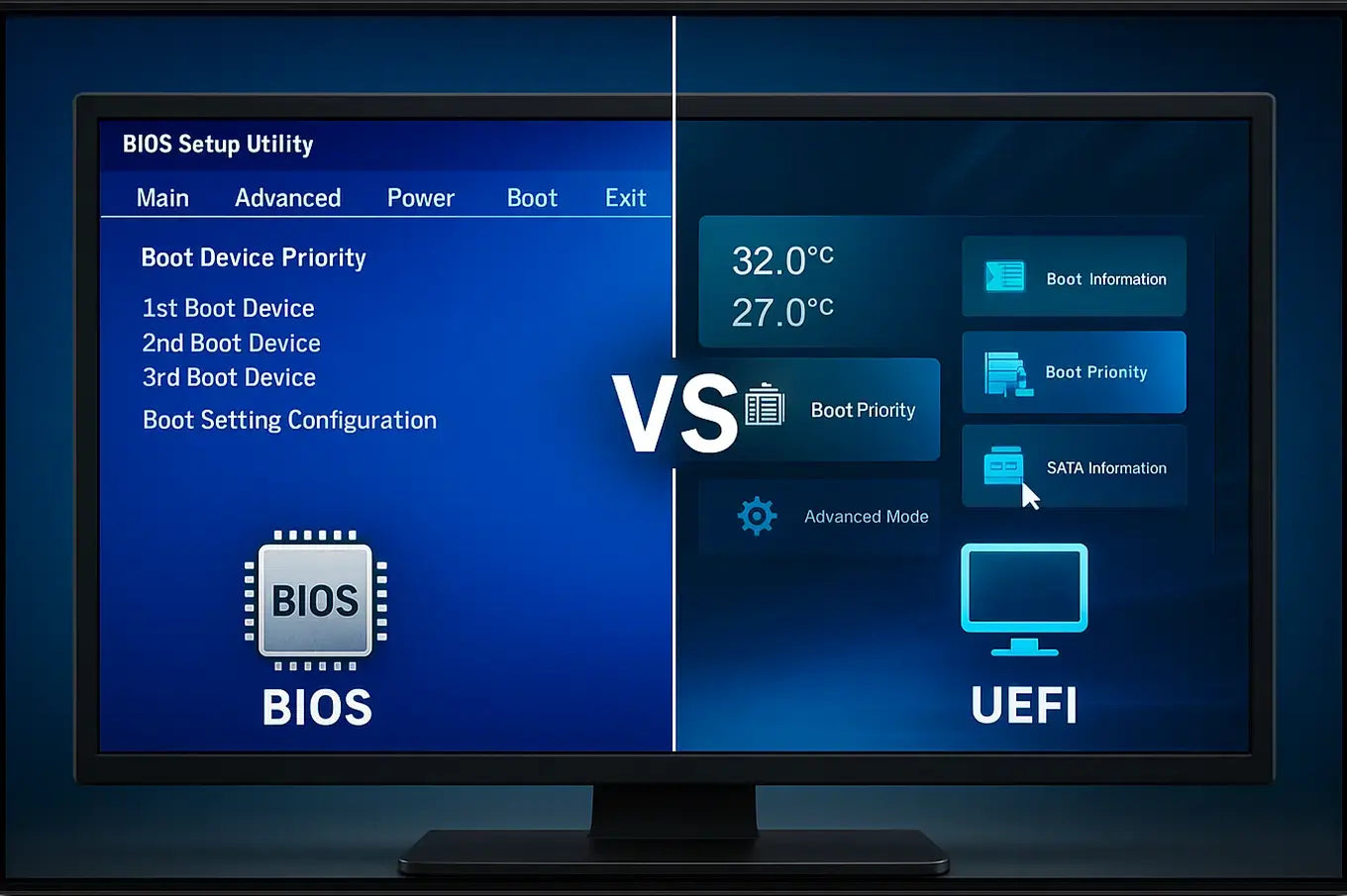
UEFI Unified Extensible Firmware Interface is the modern successor to BIOS It offers a graphical interface mouse support faster boot times secure boot features and support for larger hard drives For gamers UEFI provides a more user-friendly environment for system configuration and advanced options like XMP profiles
Will updating BIOS reset my overclocking settings
Yes performing a BIOS update almost always resets all your custom settings including CPU and RAM overclocking profiles fan curves and boot orders You will need to reconfigure these settings after a successful update
Is a BIOS update safe to do myself
A BIOS update can be safely done yourself by following your motherboard manufacturers instructions meticulously However it carries inherent risks like system bricking if interrupted or performed incorrectly Always use the correct firmware for your specific motherboard model
BIOS updates offer essential bug fixes enhanced hardware compatibility for new CPUs and GPUs improved system stability and sometimes minor performance tweaks They are crucial for supporting latest technologies like PCIe 50 and DDR5 RAM but rarely provide significant direct FPS gains for existing setups Updating carries risks including system instability or bricking if not done correctly making it a procedure for specific needs not routine performance boosts
35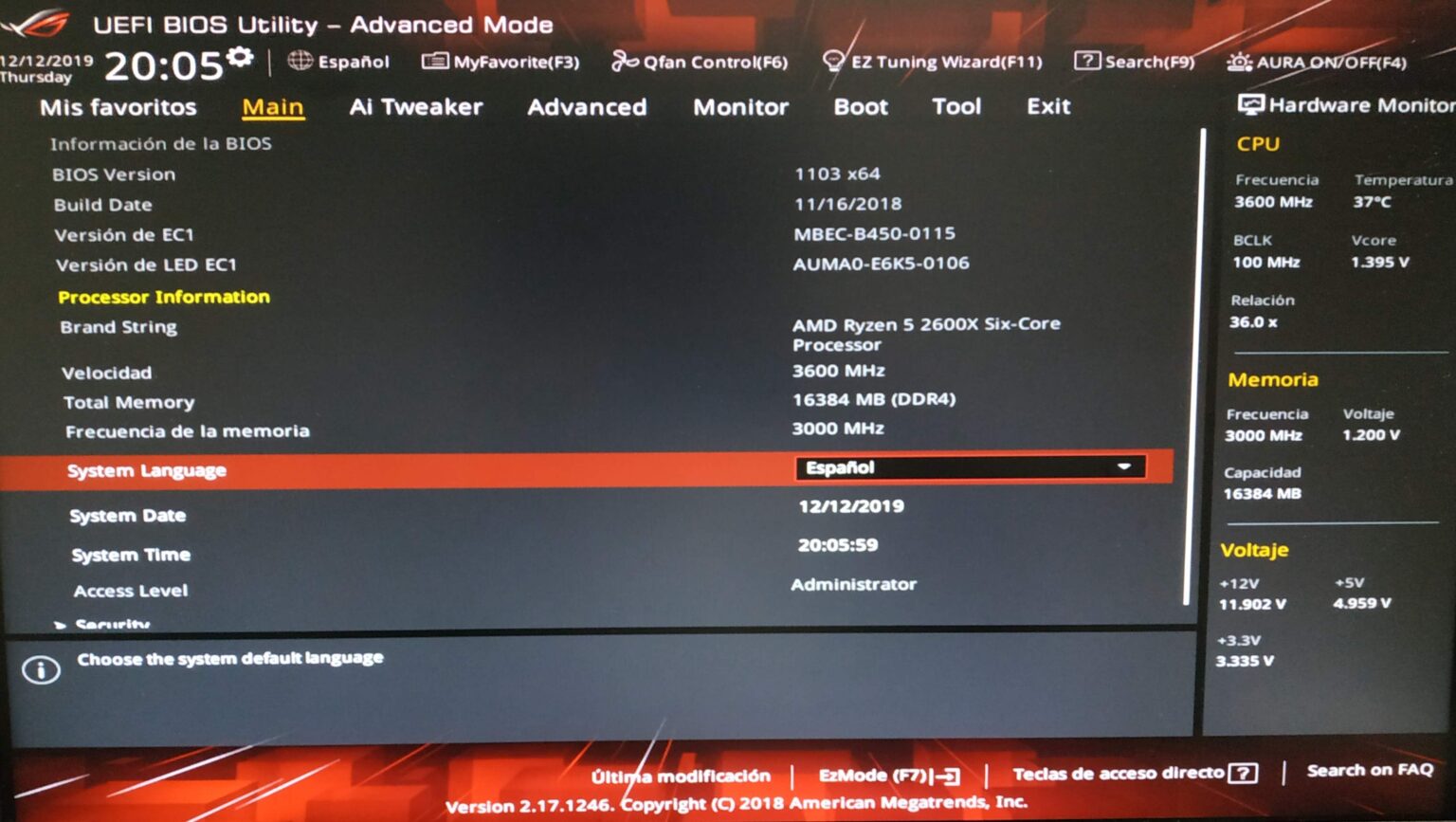

Best BIOS Settings For Gaming To Improve Performance Hone Blog Bios Asus 1536x867 . BIOS Vs UEFI 2026 Guide To Choosing The Right Firmware Technoid BIOS Vs UEFI What S The Difference And Why Does It Matter 617fd992 8396 42b5 Ac77. Updating Bios How To Update Your Computer S BIOS UEFI PCMag . 10 Easy Simple Step To MSI BIOS Update In 2026 10 Easy Simple Step To MSI BIOS Update In 2026.webp. 6 Ways To Increase CPU Performance In Windows 10 Glubble C Users Mohsin Downloads Updating Bios Jpg
Does BIOS Update Improve Performance Complete Guide Locate Flash Optio To Update Bios . What To Check Before Updating Your Motherboard BIOS Deltia S Gaming Image Showing Asuis ROG Bios . Update The Bios . How To Update BIOS Using Gigabyte App Center 2026 YouTube . Should I Update The Bios FPSHUB FPS GAMES HUB FPS GAMING HUB

How To Update A Motherboard BIOS Robots Net How To Enter Bios Msi Motherboard 1698936568 . 5 Best BIOS Settings For Gaming Improve Your FPS Bios Settings For Gaming Thumbnail . Please For The Love Of All Things Holy Update Your BIOS Rebar . Does BIOS Update Improve Performance Complete Guide Does Bios Update Improve Performance 300x171 . Retro Gaming BIOS Pack 2026 AndroGaming Com 600x338



Jak BIOS Lub UEFI Na P Ytach G Wnych ASUS UEFI En Placa Base ASUS . ASRock Announces BIOS Update To Improve System Stability And Address No Template For POST 1200 X 628 Px 32 . FAQ ASUS Servers EN 8 . Does New Bios Update Increase Idle Temperature BIOS E7E06IMS 170 R Does New Bios Update Increase Idle Temperature Bios V0 . Update BIOS Of Any PC Laptop ASUS Gigabyte MSI FIX Game Crashing

What Does A PC S BIOS Do And When Should I Use It Blog Planet VPN Rvpn Updating Your Bios Benefits And Risks 20230403 063841 270758 . Does BIOS Update Improve Performance Complete Guide Choose The Update File . Connaitre Version Bios Windows 11 DGDE . How To Build A Gaming PC In 2025 How To Build Gaming Pc Update Asus Bios . BIOS Settings To Boost Gaming Performance Ajustes BIOS Rendimiento Gaming.webp


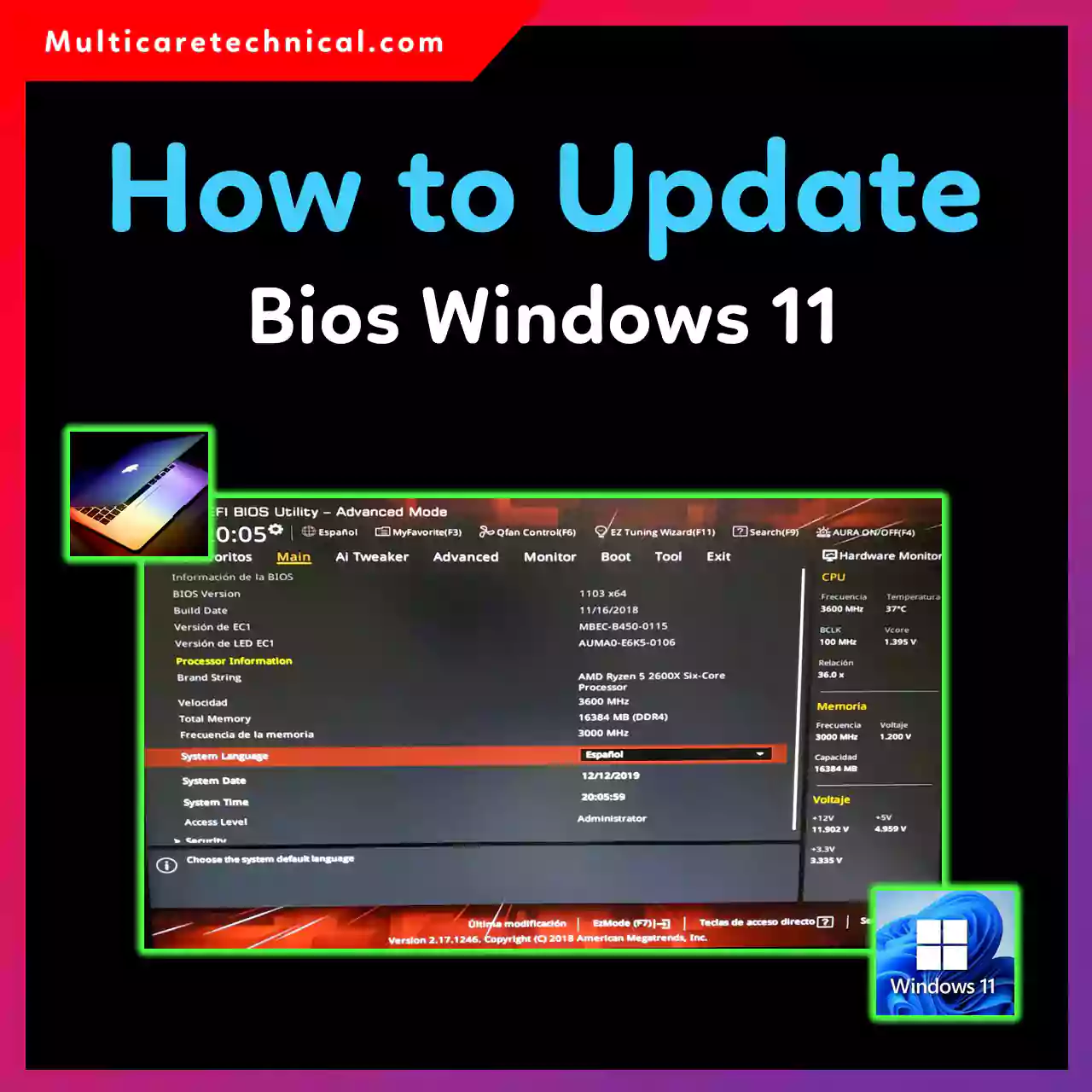

How To Update Gigabyte BIOS 2026 Guide For Safe Flashing Q Flash . PS2 BIOS 2026 What It Is Legal Way To Get It Best PCSX2 Setup For Image 2 1024x687 . Does Updating BIOS Improve Performance TechDiy Info Does Updating Bios Improve Performance . How To Update BIOS On Windows 11 Laptop Motherboard Guide How To Update Bios Windows 11.webp. Top 10 Most Anticipated Games Of 2026 What To Watch Out For TVN GAMES IN 2026
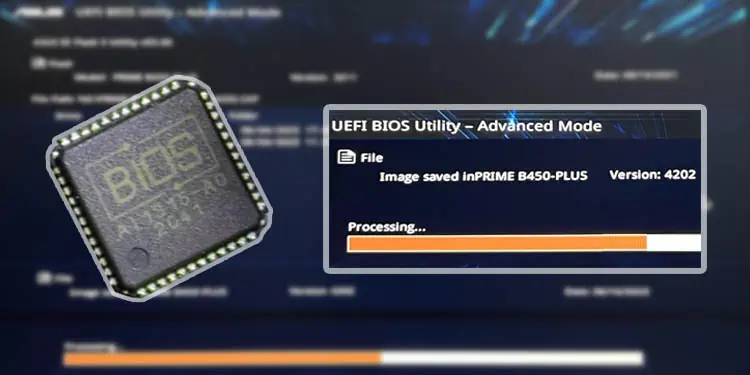
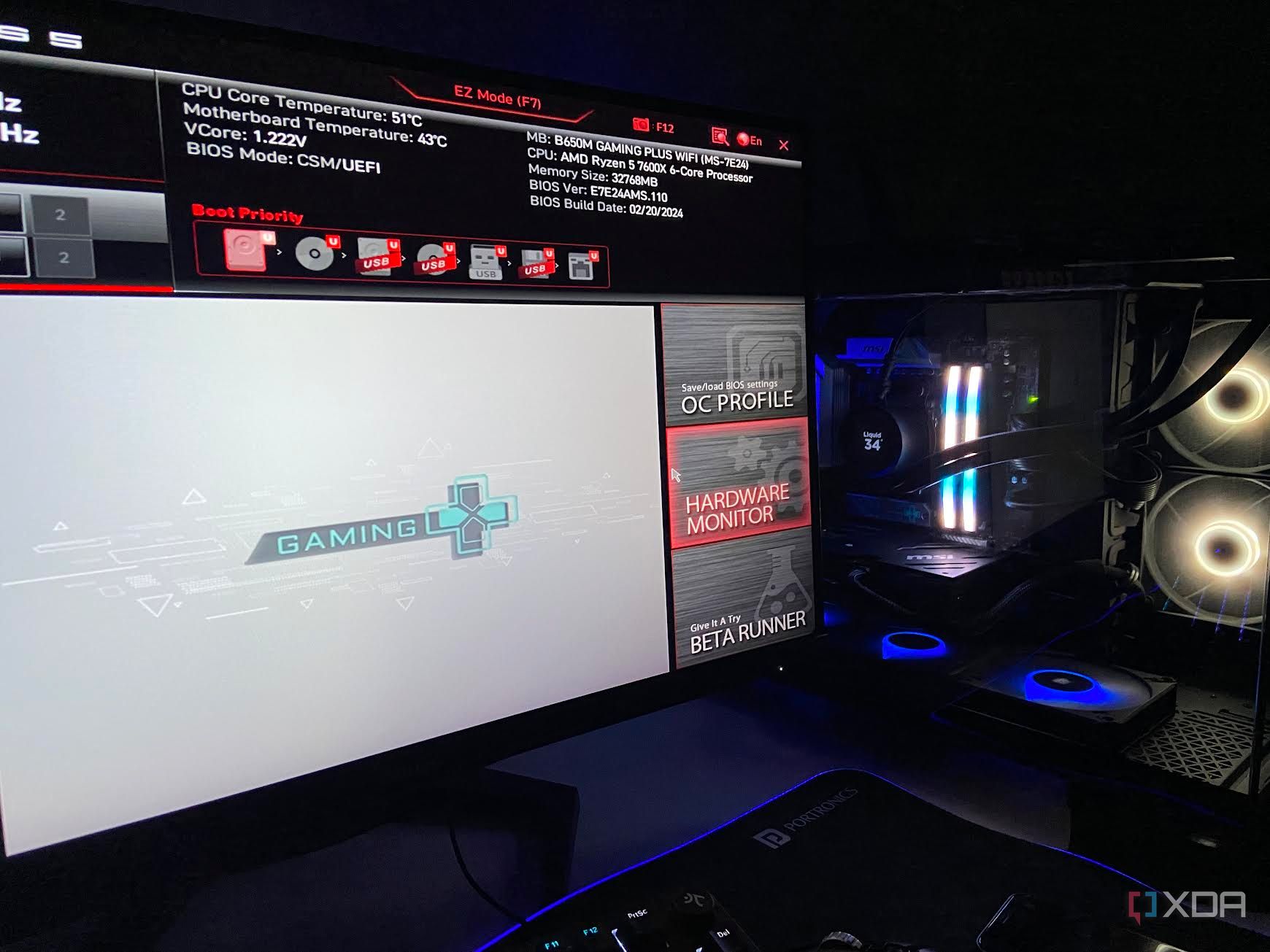

Is BIOS Update Necessary 8 Reasons To Do It Tech News Today Why Update Bios.webp. Best BIOS Settings For Gaming To Improve Performance Hone Blog Hone.gg Preview Image . I Stopped Enabling BIOS Gaming Mode When I Found Out What It Actually Gaming Bios Mode . This One BIOS Setting Is Why Your New GPU Feels Slower Than It Should Secure Boot Laptop Bios 2 . Five Ways To Improve Your Game In 2026 Com Five Ways To Improve Your Game In 2026