Have you ever logged into Steam only to find your favorite games mysteriously uninstalled? It is a common and incredibly frustrating issue for many US gamers, particularly those balancing work, family, and limited gaming time. When Steam games uninstall themselves, it can lead to hours of re-downloading and troubleshooting, cutting into precious relaxation and social gaming moments. This comprehensive guide delves into the core reasons why Steam games disappear, from corrupted files and faulty hard drives to client bugs and security software conflicts. We provide actionable, step-by-step solutions to prevent these phantom uninstalls and help you quickly recover your lost library. Learn how to optimize your Steam setup, protect your game files, and ensure your digital adventures remain intact, making the most of your valuable gaming sessions. We aim to empower you with the knowledge to troubleshoot like a pro and get back to what you love: playing games.
Related games- How to Survive Scary Roblox Horror Games
- Guide To When Is Squid Game S3 Coming Out Release Date
- Guide to Roblox Promo Codes 2026 Get Free Items
- Guide How To Turn Off Roblox Voice Chat Fast
- Guide to Biggest Computer Cases for PC Gamers 2026
Top 5 Natural Questions about When Steam Games Uninstall Themselves
1. Why did my Steam games disappear from my library?
2. How can I fix Steam games that suddenly become uninstalled?
3. Do my Steam games actually get deleted when they say uninstalled?
4. What causes Steam to forget my installed games?
5. Is there a way to recover uninstalled Steam games without re-downloading?
Additional Questions about When Steam Games Uninstall Themselves
Q: Why do Steam games uninstall themselves without me doing anything?
A: Steam games can appear uninstalled due to various issues like corrupted game files, a glitch in the Steam client, problems with your hard drive, or interference from antivirus software. These issues can cause Steam to lose track of the game's installation path or its files, making it seem like the game is gone.
Q: How can I prevent my Steam games from disappearing unexpectedly?
A: To prevent unexpected uninstalls, regularly verify game file integrity through Steam, keep your Steam client updated, add your Steam installation folder to your antivirus's exclusion list, and ensure all your Steam Library folders are correctly registered in Steam's settings.
Q: What should I do if Steam shows my game as uninstalled but the files are still on my hard drive?
A: If your game files are still present, go to Steam > Settings > Storage and add or re-add the folder where the game is located. Steam should then rescan the directory and detect the installed game, changing the button from 'Install' to 'Play'.
Q: Can my antivirus software cause Steam games to uninstall or become unplayable?
A: Yes, overly aggressive antivirus or security software can sometimes falsely flag legitimate game files as threats, quarantining or deleting them. This makes the game unplayable or causes Steam to report it as uninstalled. Adding your Steam folder to the antivirus exclusion list usually resolves this.
Q: Is it safe to delete and reinstall the Steam client if games keep uninstalling?
A: You can refresh your Steam client without losing games by deleting everything in the Steam installation folder EXCEPT the 'steamapps' folder and 'steam.exe'. Then, run 'steam.exe' to redownload the core client files. A full reinstall is also an option if problems persist, but this is a more drastic step.
Q: Will my game progress be lost if a Steam game uninstalls itself?
A: In most cases, no. If the game supports Steam Cloud, your progress (save files) are stored on Valve's servers and will automatically download when you reinstall the game. However, it is always wise to confirm Cloud Save functionality for your most important single-player titles.
Q: How do I know if a hard drive problem is causing my Steam games to uninstall?
A: Signs of a hard drive problem include unusually slow game loading, frequent system crashes, strange clicking noises from the drive, or repeated file corruption errors. You can use Windows' built-in disk check tools or third-party SMART data monitoring software to assess your drive's health.
Imagine settling down after a long day, finally ready to dive into your favorite game, only to open Steam and find it missing. Vanished. Uninstalled. This is a scenario far too many US gamers have faced, a frustrating glitch that eats into valuable leisure time that is already hard to come by. For the average gamer around 36 years old, who balances work, family, and life, these unexpected issues are more than just an inconvenience; they are a direct attack on their cherished relaxation and social time. With 87% of US gamers playing regularly, often dedicating 10 plus hours a week, keeping our digital libraries intact is crucial for stress relief, skill-building, and connecting with friends online. When Steam games uninstall themselves, it feels like a violation of that hard-earned escape.
You are not alone in this digital dilemma. This comprehensive guide is designed to be your trusted resource, cutting through the confusion to offer practical, actionable solutions. We will explore the common culprits behind these phantom uninstalls, from software quirks to hardware hiccups, and equip you with the knowledge to diagnose, prevent, and recover your lost games. Our goal is to empower you to take control of your Steam library, ensuring your gaming experience remains smooth, enjoyable, and free from unexpected interruptions. Let us dive in and conquer the mystery of the disappearing Steam game.
Why Do Steam Games Uninstall Themselves Unexpectedly
When Steam games uninstall themselves, it is rarely a malicious act by the platform. More often, it stems from a combination of common technical issues that can disrupt your game files and Steam client functionality. Understanding these root causes is the first step toward effective troubleshooting and prevention. For busy gamers, identifying the cause quickly means less downtime and more playtime.
Corrupted Game Files or Local Cache: Game files can become corrupted due to unexpected system shutdowns, power outages, failed updates, or even bad sectors on your hard drive. When Steam detects corrupted files, it might mark the game as uninstalled or prompt for a full re-download to rectify the integrity issues. This is a common occurrence that can be easily overlooked until a game disappears.
Steam Client Bugs or Glitches: Like any complex software, the Steam client itself can sometimes develop bugs. An outdated client, a corrupted Steam installation, or a glitch during an update process can cause the client to lose track of installed games, essentially forgetting where they are located on your drive. This might make the game appear uninstalled even if its files are still present.
Hard Drive Issues or Connectivity Problems: Your hard drive is where your games live. If your drive is failing, has bad sectors, or if there is a loose SATA cable connection, Steam might lose access to the game files. In some cases, if an external drive containing Steam games is disconnected or experiences a power interruption, Steam will assume the games are gone. This is particularly relevant for gamers using multiple drives or external storage for their extensive libraries.
Antivirus or Security Software Interference: Aggressive antivirus or anti-malware programs can sometimes mistakenly flag legitimate game files or Steam processes as threats. In an attempt to quarantine or remove these perceived threats, the security software might inadvertently delete or block access to critical game components, leading Steam to report the game as uninstalled.
Windows Operating System Updates or Issues: Major Windows updates can sometimes reset file permissions or alter system paths, which can confuse Steam about the location of your games. While less common, certain Windows file system errors or even a corrupted user profile can also contribute to Steam losing track of installed content.
How Can I Prevent Steam Games From Uninstalling Unexpectedly
Prevention is always better than cure, especially when your gaming time is a precious commodity. By implementing a few proactive measures, you can significantly reduce the chances of your Steam games disappearing into the digital ether. These tips are designed with the practical gamer in mind, offering simple yet effective strategies.
Regularly Verify Game File Integrity: This is your first line of defense. Access your Steam Library, right-click on a game, go to Properties, then Local Files, and select 'Verify integrity of game files'. Steam will check for and replace any corrupted or missing files without requiring a full reinstall. Make this a habit for games you play frequently or after any system instability.
Keep Your Steam Client Updated: Ensure your Steam client is always running the latest version. Developers frequently release updates that fix bugs, improve stability, and enhance compatibility. Automatic updates are usually enabled, but it is wise to occasionally check by going to Steam then Check for Steam Client Updates.
Monitor Your Hard Drive Health: A failing hard drive is a ticking time bomb for your game library. Use built-in Windows tools like 'Error checking' (right-click drive > Properties > Tools > Check) or third-party utilities to monitor your drive's SMART data. If you notice strange noises, slow performance, or frequent errors, consider backing up your data and replacing the drive before it fails completely.
Configure Antivirus Exclusions: Add your entire Steam folder (typically C:Program Files (x86)Steam) to your antivirus or security software's exclusion list. This prevents your security suite from scanning, quarantining, or deleting legitimate Steam and game files. Always ensure your antivirus is up-to-date to avoid false positives.
Properly Manage Steam Library Folders: If you use multiple drives for games, ensure all your Steam Library folders are correctly added and recognized by Steam. Go to Steam > Settings > Storage. Here you can see all your designated library folders and add new ones if Steam has somehow lost track of them. This is crucial for gamers using secondary or external drives.
What Are The Common Signs My Steam Game Uninstalled Itself
Catching the signs early can save you a lot of headache. When a Steam game uninstalls itself, it is usually not a silent affair. Knowing what to look for can help you quickly identify the problem and take corrective action. Many gamers, especially those juggling life and gaming, often only discover issues when they finally have time to play.
'Install' Button Instead of 'Play' in Steam Library: This is the most obvious indicator. If you see the 'Install' button for a game you know you had installed, it means Steam no longer recognizes its presence on your system. This is a clear signal that the game has either genuinely been removed or Steam has lost its installation path.
Game Files Missing from Directory: If you navigate to where the game was supposed to be installed (e.g., C:Program Files (x86)Steamsteamappscommon[Game Name]), and the folder is empty or entirely gone, the game files have indeed been deleted. This points to a more severe issue, potentially involving malware, aggressive cleanup software, or a failing drive.
Disk Space Suddenly Frees Up: Large Steam games consume significant disk space. If you notice a sudden, inexplicable increase in your available storage capacity, especially after a system restart or update, it could indicate that one or more games have been removed from your drive. This is often an overlooked symptom until storage runs low again.
Error Messages on Launch Attempt: Trying to launch a game from a desktop shortcut or the Windows Start Menu might result in an error message stating the executable cannot be found. This confirms that the game's core files are missing, as the shortcut is pointing to a non-existent location.
Can A Corrupted Steam Client Cause Games To Uninstall
Absolutely, a corrupted or malfunctioning Steam client can indeed be a primary reason why your games appear to uninstall themselves. The Steam client is the central hub for managing your entire game library, including installation paths, updates, and game file integrity checks. If this hub becomes compromised, it can lead to various issues, making your games inaccessible or seemingly gone. Many US gamers rely on the Steam client daily, making its stability paramount for their entertainment.
A corrupted Steam client might lose track of the designated library folders on your system, or its internal configuration files might get damaged. This means that even if all your game files are perfectly intact on your hard drive, the Steam client itself cannot locate them or recognize them as installed. Common causes for client corruption include incomplete updates, unexpected system crashes, or interference from third-party software. In such cases, the solution often involves refreshing or reinstalling the Steam client, which we will cover in the recovery steps.
How Do I Recover Games That Steam Uninstalled
Recovering games that Steam uninstalled can seem daunting, but often it is a straightforward process. Do not panic; your game files might still be on your hard drive. Here is a step-by-step approach to get your games back online, focusing on practical, time-saving solutions for busy gamers.
Re-Add Steam Library Folders: This is the most common fix if your games appear uninstalled but their files are still on your drive. Go to Steam > Settings > Storage. Click the plus (+) icon to add any folders where your games are installed. If the folder already exists but Steam is not recognizing games, you might need to remove it and re-add it. After re-adding, restart Steam, and it should rescan the folders and detect your games.
Verify Integrity of Game Files: If your games are detected but still not launching, right-click the game in your Steam Library, go to Properties > Local Files, and click 'Verify integrity of game files'. This process scans your installation for missing or corrupted files and downloads any necessary replacements. It is a powerful tool for fixing minor corruption without a full reinstall.
Clear Steam Download Cache: Sometimes, a corrupted download cache can interfere with game detection or updates. Go to Steam > Settings > Downloads > Clear Download Cache. This will require you to log back into Steam, but it can resolve many stubborn issues. Clearing the cache does not affect your installed games.
Refresh Your Steam Client Installation: This is a more drastic step but often resolves deep-seated client issues. First, close Steam. Navigate to your Steam installation directory (e.g., C:Program Files (x86)Steam). Delete everything except the 'steamapps' folder and 'steam.exe'. Then, run 'steam.exe'. This will force Steam to redownload its core client files, essentially refreshing your installation while preserving your installed games.
Reinstall the Game: As a last resort, if none of the above work, you may need to reinstall the game. Ensure you have a stable internet connection. While this takes time, especially for large modern titles, it guarantees a fresh installation. Remember, if you have cloud saves enabled (and most popular titles do), your progress should be safe.
Does Windows Defender Or Antivirus Software Affect Steam Games
Yes, absolutely. Windows Defender, or any third-party antivirus and anti-malware software, can sometimes be overly aggressive and interfere with Steam games. These security programs are designed to protect your system from threats, but occasionally they can mistakenly flag legitimate game files or Steam processes as malicious. For US gamers who rely on their PCs for both work and play, understanding this interaction is vital to prevent frustrating interruptions.
When an antivirus program quarantines or deletes what it perceives as a threat within your Steam library, it can lead to missing game files, preventing the game from launching or causing Steam to believe the game is uninstalled. To prevent this, it is crucial to add your entire Steam installation folder (typically C:Program Files (x86)Steam) to the exclusion list or whitelist of your security software. This tells the antivirus to ignore files within that directory, allowing Steam and your games to function without interference. Always ensure your security software is updated, as definitions are constantly refined to reduce false positives.
Is It A Hard Drive Problem When Steam Games Disappear
It can definitely be a hard drive problem when Steam games disappear. Your hard drive or solid-state drive (SSD) is the physical storage where all your game files reside. If there are issues with the drive itself, Steam will lose access to those files, making the games appear uninstalled or unplayable. This is a critical point for any gamer, as drive failure can lead to significant data loss, not just for games but for all your personal files.
Common hard drive problems that can affect Steam games include:
Bad Sectors: Physical damage to the drive surface can create unreadable sectors. If critical game files are located on these sectors, Steam cannot access them.
Failing Drive: Drives have a limited lifespan. As they age, they can develop read/write errors, become incredibly slow, or fail completely. Early signs include frequent crashes, corrupted files, and long loading times.
Loose Connections: For internal drives, a loose SATA or power cable can cause intermittent connectivity issues, making your drive temporarily unavailable to the system. For external drives, a faulty USB cable or port can have the same effect.
Overheating: Prolonged overheating can damage drive components, leading to data corruption and potential failure. Ensuring proper airflow and cooling within your PC is essential for drive longevity.
If you suspect a hard drive issue, perform diagnostics using tools like Windows' Check Disk utility or third-party SMART data readers. Consider backing up important data immediately if signs of drive failure are present.
How Can I Ensure My Steam Library Is Always Detected
Ensuring your Steam library is consistently detected is about proper setup and regular maintenance. For gamers with extensive collections spread across multiple drives, managing these library folders correctly is key to a stable experience.
Add All Library Folders in Steam Settings: The most crucial step is to go to Steam > Settings > Storage and make sure every drive or partition where you have Steam games installed has a designated Steam Library folder added. Steam will only look for games within these specified locations. If you move games manually, always update this section.
Never Manually Move Game Files (Without Steam's Tool): Avoid dragging and dropping game folders directly in File Explorer. If you need to move a game, use Steam's built-in feature: right-click game > Properties > Local Files > Move Install Folder. This ensures Steam updates its internal records correctly.
Avoid Disconnecting External Drives Mid-Game: If you use an external drive for your Steam library, always ensure it is properly connected and remains powered on during gameplay and when Steam is running. Disconnecting it prematurely can confuse Steam and lead to detection issues.
Run Steam as Administrator: In some cases, especially after Windows updates, running Steam with administrator privileges can help resolve permission issues that might prevent it from accessing library folders on certain drives. Right-click the Steam shortcut and select 'Run as administrator'.
What Are The Best Practices For Maintaining My Steam Setup
Maintaining a healthy Steam setup is crucial for uninterrupted gaming. For gamers who allocate significant time to their hobby (averaging 10+ hours a week for many US gamers), optimizing performance and preventing issues is a priority. These practices help ensure your games are always ready when you are.
Keep Drivers Updated: Regularly update your graphics card drivers (NVIDIA, AMD, Intel) and other essential system drivers. Outdated drivers can cause compatibility issues, performance problems, and sometimes even lead to unexpected game behavior or crashes that might corrupt files.
Regularly Clear Download Cache and Browser Cache: In Steam, go to Settings > Downloads > Clear Download Cache. Also, clear your Steam browser cache (Settings > Web Browser > Delete Browser Data). This removes temporary files that can sometimes interfere with Steam's operations.
Monitor Disk Space: Always leave some free space on your game drives. When a drive is critically full, it can slow down performance and even lead to file corruption or failed updates. Aim for at least 15-20% free space if possible.
Backup Important Saves: While Steam Cloud usually handles game saves, for highly valued single-player games, consider manually backing up your save files. Locate them (often in My Documents or within the game's installation folder) and copy them to an external drive or cloud storage service. This ensures your progress is safe, even if Steam encounters a major issue.
Restart Steam and Your PC Frequently: A simple restart can often resolve minor glitches and clear temporary memory issues. Make it a habit to restart Steam occasionally, and your entire PC once a day or every other day, especially if you leave it running for extended periods.
Are Cloud Saves Affected When Games Uninstall
Generally, no. Your Steam Cloud saves are typically safe and unaffected even when your local game installation uninstalls itself. Steam Cloud is a separate service that synchronizes your game saves and configuration files to Valve's servers. When a game uninstalls, it only removes the local files from your hard drive, leaving the cloud version intact. This is a huge relief for gamers who value their progress and rely on cross-play or multi-PC setups.
The next time you reinstall a game that supports Steam Cloud, it will automatically download your latest save files from the cloud, allowing you to pick up right where you left off. However, it is essential to ensure that Steam Cloud synchronization is enabled for the specific game (check game properties in Steam) and that your internet connection is stable during play sessions to allow for proper syncing. While robust, it is always a good practice to occasionally check if your most important saves are indeed syncing to the cloud.
How Can I Troubleshoot Persistent Steam Uninstall Issues
If you have tried the basic fixes and your Steam games are still mysteriously uninstalling, it is time for a more in-depth troubleshooting approach. Persistent issues can be incredibly frustrating for any gamer, especially when you are trying to squeeze in some relaxation after a demanding day. Here are advanced steps to pinpoint and resolve those stubborn problems.
Check for Malware: Run a full system scan with reputable anti-malware software (like Malwarebytes or your updated antivirus). Some malware can corrupt or delete files indiscriminately, leading to game loss. This is especially important for gamers who download mods or files from less reputable sources.
Perform a Clean Steam Reinstallation: If refreshing the client did not work, a full clean reinstallation might be necessary. This involves uninstalling Steam completely via Windows' 'Add or remove programs' feature, then manually deleting any leftover Steam folders. After a system restart, download and install a fresh copy of Steam. While time-consuming, this ensures a completely clean slate.
Test Different Hard Drive or Storage: If you suspect a failing drive, try moving a problematic game to a different hard drive or SSD (if you have one) using Steam's 'Move Install Folder' feature. If the game functions correctly on the new drive, it strongly suggests your original drive is the culprit and needs replacement.
Monitor System Logs for Errors: Windows Event Viewer (search for 'Event Viewer' in Start) can provide clues. Look under 'Windows Logs' > 'Application' and 'System' for errors that coincide with when your games disappeared. Error codes or messages might point to specific hardware failures, file system corruption, or software conflicts.
Check RAM for Errors: Faulty RAM can lead to data corruption, including game files. Run a memory diagnostic tool like Windows Memory Diagnostic (search 'mdsched.exe' in Start) or MemTest86. If errors are found, replacing the faulty RAM module is necessary.
Contact Steam Support: If all else fails, reach out to Steam Support. Provide them with detailed information about your issue, troubleshooting steps you have already taken, and any relevant error messages. They have access to advanced diagnostic tools and can offer personalized assistance.
Conclusion
Dealing with games that uninstall themselves can be a major headache, especially for busy US gamers who just want to relax and enjoy their passion. From corrupted files and client bugs to hardware issues and antivirus conflicts, the causes can be varied. However, by understanding these potential problems and applying the practical solutions outlined in this guide, you are now equipped to diagnose, prevent, and recover your lost games effectively. Remember to regularly verify files, keep your client updated, monitor your hardware, and manage your security software. Your gaming time is valuable, and a stable, well-maintained Steam library ensures you get the most out of every session.
What is your biggest gaming challenge when it comes to keeping your library intact? Comment below and share your experiences!
FAQ Section
Is Steam deleting my games?
No, Steam itself does not intentionally delete your games. The 'uninstalled' status usually means the client has lost track of the game files due to corruption, hard drive issues, client bugs, or interference from other software. Your files might still be present, just unrecognized.
How do I stop Steam from automatically uninstalling games?
To prevent automatic uninstalls, regularly verify game file integrity, ensure your Steam client is updated, add your Steam folder to your antivirus exclusions, and properly manage all your Steam library folders in the client settings.
Can a power outage uninstall my Steam games?
A power outage itself does not directly uninstall games. However, an abrupt shutdown can corrupt game files or the Steam client's registry, leading Steam to perceive the game as uninstalled. This is why verifying game files after such an event is crucial.
Why do my Steam games disappear from my library but the files are still there?
This usually happens when the Steam client loses the path to your game files or when the library folder is no longer recognized. Re-adding the Steam Library folder via Steam > Settings > Storage often resolves this by prompting Steam to rescan the directory.
How often should I verify game file integrity on Steam?
It is a good practice to verify game file integrity whenever you encounter launching issues, suspect file corruption, or after a system crash or power outage. For frequently played games, a monthly check can help prevent problems before they arise.
What should I do if my entire Steam library folder is missing?
If the entire folder is missing, first check your Recycle Bin. If not there, it is likely a severe hard drive issue or accidental deletion. You will need to reinstall the games. Always back up important files and consider professional data recovery if necessary.
Steam games can uninstall themselves due to corrupted game files, Steam client issues, hard drive problems, or interference from antivirus software. Regularly verify game files, keep Steam updated, monitor hard drive health, and manage security software exclusions to prevent unexpected uninstalls. Recovery involves re-adding library folders, verifying file integrity, or reinstalling games, often leveraging cloud saves. Proactive maintenance and understanding common causes are key to a stable Steam library.
35

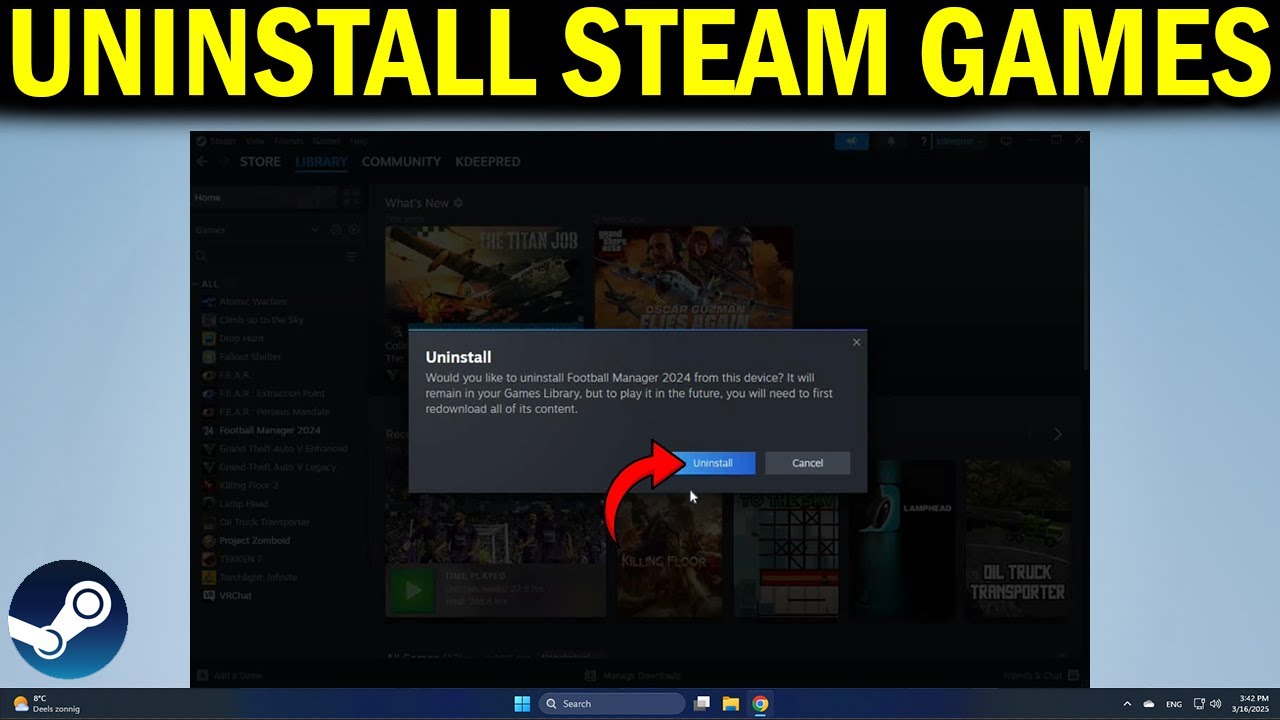
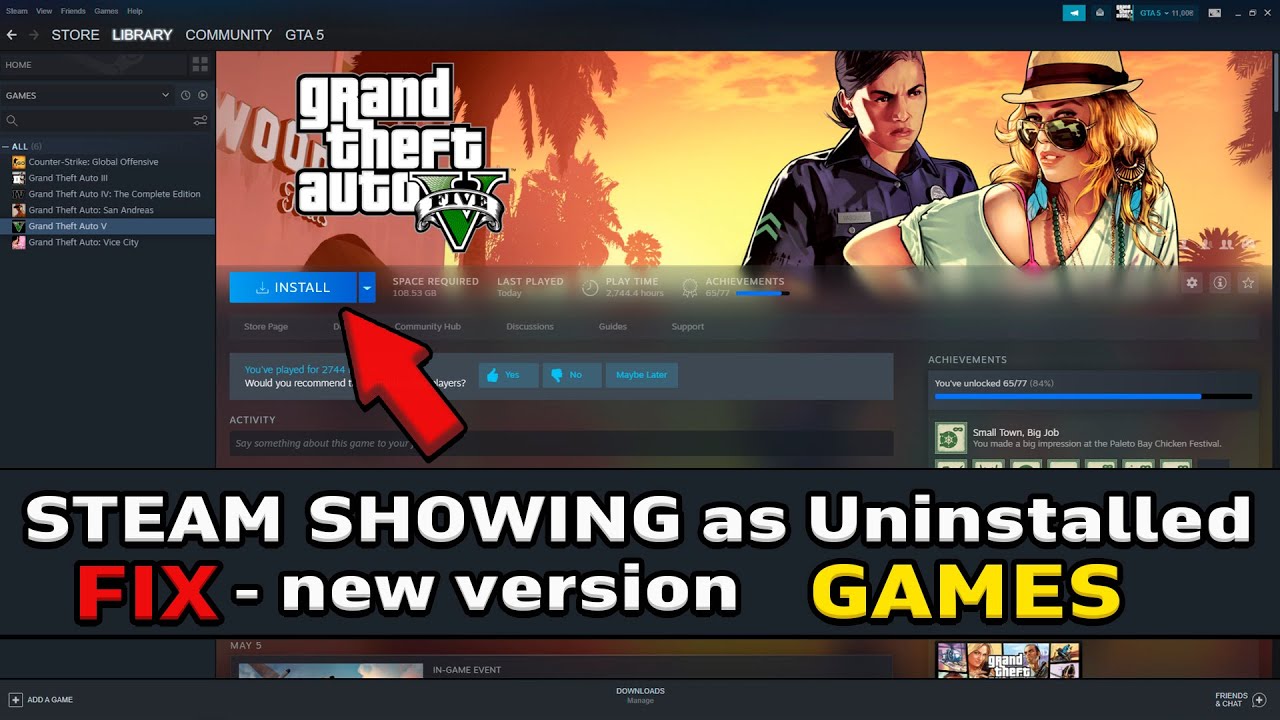
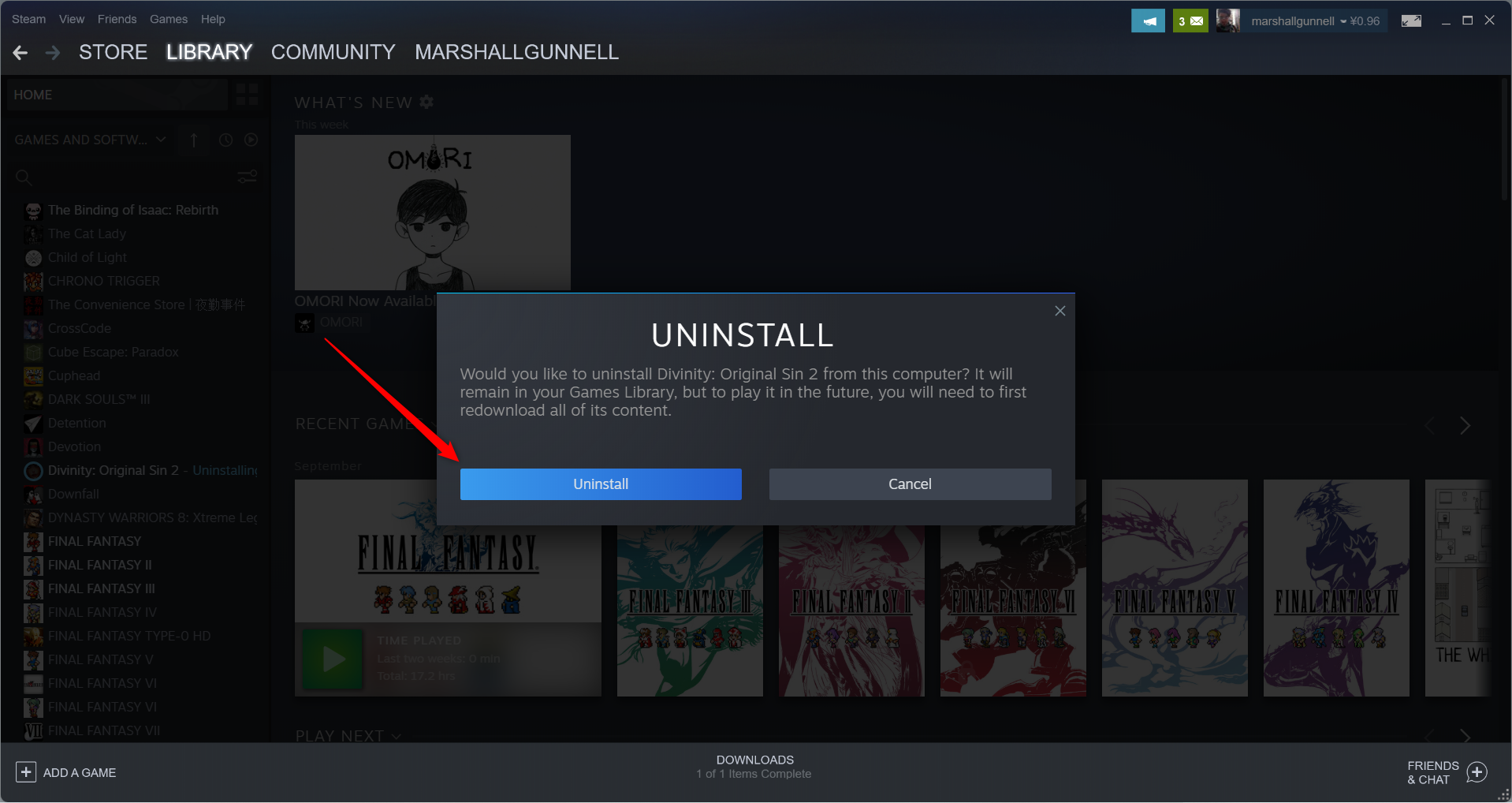
How To Uninstall Steam Games 2026 YouTube . How To Uninstall Steam Games YouTube . How To Uninstall Steam Games YouTube . Steam Game Uninstalled Itself Steam Uninstall All Games WYCK . How To Uninstall A Game On Steam Mac Detroit Chinatown Click Uninstall


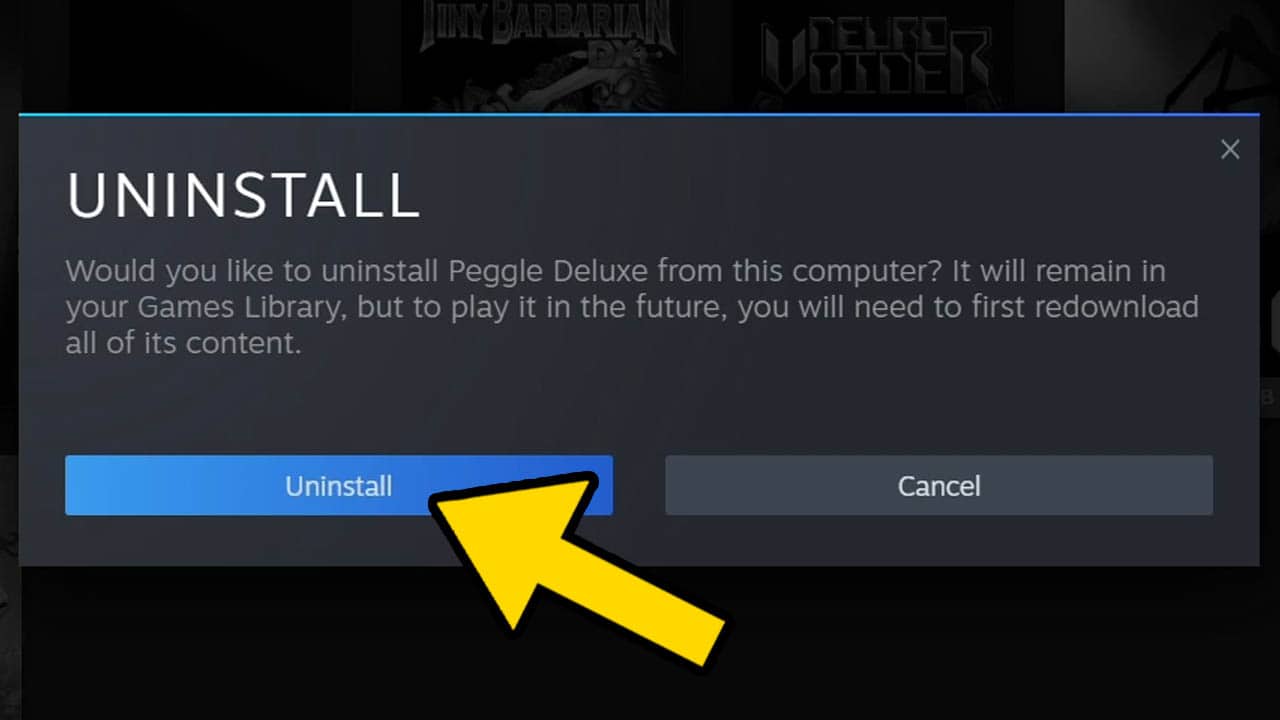
How To Uninstall Steam Games Uninstall Steam Game Ss2 . How To Uninstall And Reinstall Games On Steam 2026 Easy Guide YouTube . Steam Games Uninstall Themselves CWSC How To Uninstall Steam Games 2021 5 . How To Uninstall Games From Steam To Free Up Space How Do You Uninstall Games From Steam Free Up Space 1024x559 . How To Uninstall Steam Games And Reinstall Later Steam Game Uninstall Process




Here S How To Uninstall Steam Games Complete Guide How To Uninstall Steam Games. Jak Rychle A Snadno Hry Ze Slu By Steam How To Uninstall Steam Games . How To Uninstall A Game On Steam Mac Detroit Chinatown . How To Uninstall Steam Games Tutorial YouTube . How To Uninstall Steam Without Losing Saved Games YouTube

:max_bytes(150000):strip_icc():format(webp)/steam-uninstall-ba72a88d2b3f4d319fbe9e7263bd88e9.png)


Steam March 2026 Client Update Adds Hardware Specs To User Reviews Steam Client Mar 2026 . How To Uninstall Steam Games Steam Uninstall . How To Properly Uninstall Games From Steam For Space LevelUpTalk Steam Uninstall Process 02 07 2026 Cafa76ce 415f 4282 Bde9. How To Uninstall Steam Games With 3 Methods On Windows . How To Uninstall A Steam Game N401.11
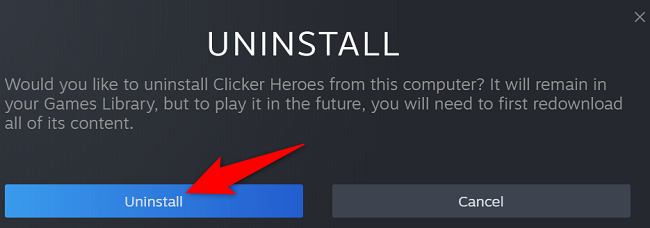
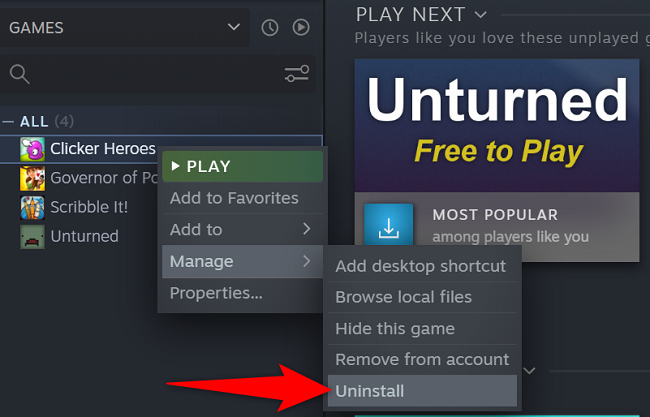
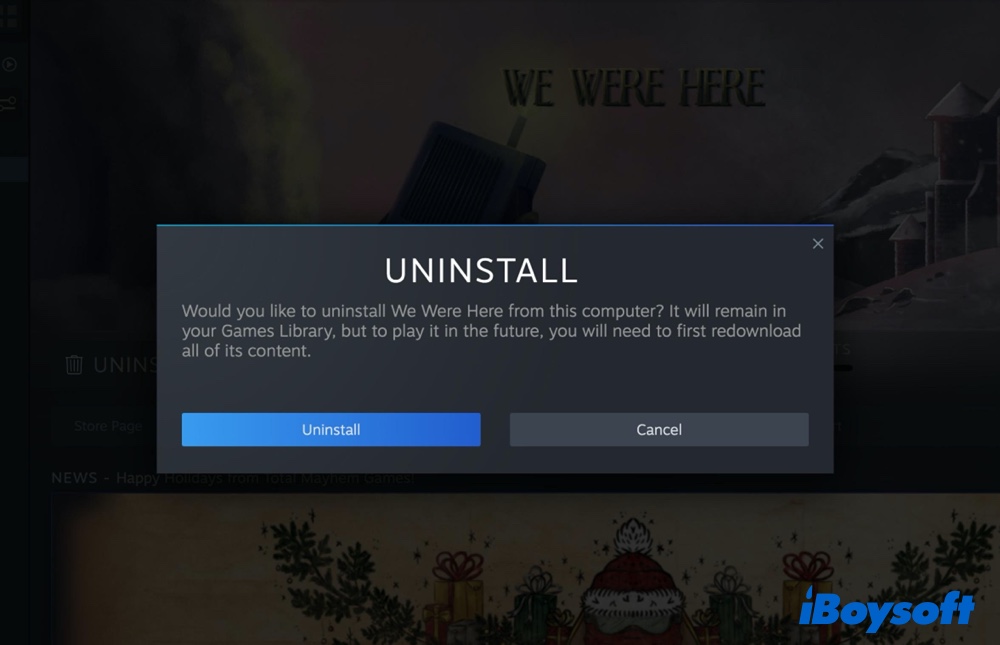

How To Uninstall Steam Games 3 Steam Uninstall Prompt . How To Uninstall Steam Games 2 Uninstall Steam Game . How To Uninstall Steam Games With 3 Methods On Windows . How To Uninstall Steam On Mac And Remove Its Leftover Files Easily Uninstall Steam Games Confirm . How To Uninstall A Steam Game On Windows Uninstalr Blog Uninstall A Game From Steam Library



How To Fix Steam Validation Errors With These 6 Tips Steam Confirm Game Uninstall . If I Uninstall Steam What Happens To My Saves Back Up Now If I Uninstall Steam What Happens To My Saves . How To Uninstall Steam Games TechCult Click On UNINSTALL To Confirm A Game In Steam . How To Uninstall And Reinstall Games On Steam Easy Guide YouTube . How To Uninstall Steam Games Article Cover Image Featuring The Steam Logo



9 Best Ways To Fix Steam Games Not Launching On Windows 11 Guiding Tech Clcik Uninstall Again 768x512 . How To Uninstall Steam Games With 3 Methods On Windows . Best Free Games To Claim Right Now 2026 Steam PlayStation Xbox More May 2026 Free Games Feature Image . Steam Sale 2026 Key Dates You Need To Know LevelUpTalk Steam Sale Schedule 2026 08 27 2025 7c35051e 2c22 4093 96f1. How To Completely Uninstall Steam Games 10. Uninstall GTA From Steam