Explore how Generative AI Maps are revolutionizing travel, offering deeply personalized tour experiences across the United States. This innovative technology harnesses artificial intelligence to craft unique itineraries, recommend hidden gems, and adapt to traveler preferences in real-time. Discover the navigational and informational potential of smart maps that learn your interests, creating unforgettable journeys for every explorer. Understanding these evolving platforms is key for anyone planning their next adventure, seeking efficiency and tailored recommendations. This emerging trend promises to redefine how we interact with destinations, making every trip feel truly bespoke and seamlessly guided.
What are Generative AI Maps?
Generative AI Maps are advanced navigation systems that use artificial intelligence to create highly personalized and dynamic travel experiences. They go beyond simple directions, actively generating unique itineraries, recommending activities, and adapting to user preferences and real-time conditions. This technology aims to make every trip bespoke, offering tailored suggestions for routes, attractions, and local spots, fundamentally changing how individuals interact with new destinations and plan their journeys.
How do AI Maps enhance personalized tours?
AI Maps enhance personalized tours by continuously learning from user data and current environmental factors. They dynamically adjust itineraries to individual interests, providing suggestions for dining, entertainment, and sightseeing that align perfectly with the traveler’s profile. This adaptive capability means tours are never static, offering real-time modifications for weather, traffic, or unexpected discoveries. Travelers receive a truly custom-built experience, maximizing enjoyment and minimizing planning effort for their adventures.
Can Generative AI Maps find unique local spots?
Yes, Generative AI Maps are exceptionally skilled at discovering unique local spots often missed by conventional tourist guides. By processing vast amounts of local data, including community reviews and lesser-known historical facts, the AI identifies hidden gems. These could be obscure art galleries, charming neighborhood cafes, or serene parks, offering travelers authentic local immersion. This feature enables a richer, more genuine exploration beyond the typical tourist traps, fostering deeper connections with destinations.
What is the benefit of dynamic route optimization in AI maps?
Dynamic route optimization in AI maps provides immense benefits by constantly adjusting travel paths based on real-time factors like traffic, road closures, and even weather. This ensures the most efficient and enjoyable journey possible, minimizing delays and maximizing sightseeing time. The AI can instantly suggest alternative routes or activities if conditions change, keeping the traveler's experience smooth and stress-free. This proactive approach saves time and enhances overall travel satisfaction significantly.
Will AI powered maps replace human interaction entirely?
AI powered maps are designed to enhance, rather than entirely replace, human interaction in travel. While they offer unparalleled efficiency and personalization, the unique value of human tour guides lies in their ability to provide cultural nuances, emotional connections, and spontaneous, unscripted moments. AI maps serve as powerful tools, allowing human guides to focus on storytelling and deeper engagement, creating a more collaborative and enriched travel experience rather than a complete substitution. It is a partnership, not a replacement.
Generative AI Maps: Your Ultimate Guide to Personalized Tours. Unlock Travel Secrets with Generative AI Maps: A Deep Dive. Personalized Tours: How Generative AI Maps Redefine Exploration. Expert Insights: Mastering Travel with Generative AI Maps. Step-by-Step: Crafting Your Perfect Trip with Generative AI Maps. Discover Generative AI Maps, revolutionizing travel with personalized tour experiences. Explore dynamic routes, hidden gems, and smart navigation. generative-ai-maps-personalized-toursHave you ever wondered if your next adventure could be perfectly crafted just for you, down to every single detail? The notion of truly personalized tours is no longer a futuristic dream but a rapidly evolving reality with Generative AI Maps transforming how we explore the world. Imagine a digital guide that understands your unique preferences, knows your favorite types of cuisine, and can even predict your next travel interest before you do. These intelligent mapping systems are poised to redefine the essence of travel, especially across diverse landscapes like the United States. They promise to make every journey a seamless, intuitive, and deeply personal exploration, moving far beyond static recommendations. Is this the ultimate evolution of travel planning?
The Dawn of Hyper-Personalized Exploration
Generative AI Maps are at the forefront of a monumental shift in how people plan and experience their travels. This advanced technology leverages complex algorithms and vast datasets to create dynamic, responsive tour guides tailored precisely to individual needs. Unlike traditional navigation apps, these AI-driven platforms don't just show you the way; they actively curate an entire travel narrative. They learn from your past activities, your expressed interests, and even real-time data to suggest bespoke routes and experiences. This capability ensures that no two trips are ever exactly alike, reflecting the unique tastes of each traveler. Think about how much time travelers save by having an expert digital concierge.
Crafting Unique Itineraries with Smart AI
At the core of Generative AI Maps is their remarkable ability to generate truly unique and context-aware itineraries. These systems can factor in local weather conditions, current traffic patterns, and even local event schedules when suggesting activities. For instance, an AI map could reroute you through a charming local market if it detects a street festival, ensuring a richer experience. This dynamic adaptability is what sets these tools apart, moving beyond mere point-to-point directions. Travelers gain the flexibility to modify their plans on the fly, with the AI instantly recalculating and offering new suggestions. This level of responsiveness enhances the spontaneity and joy of discovery.
Discovering Hidden Gems and Local Secrets
One of the most exciting promises of Generative AI Maps is their capacity to uncover genuine hidden gems often missed by traditional travel guides. By analyzing user reviews, local blogs, and even social media sentiment, the AI can pinpoint authentic local eateries or serene, less-crowded viewpoints. This feature greatly appeals to travelers seeking to immerse themselves in local culture rather than sticking to popular tourist traps. Imagine stumbling upon a quaint bookstore or a stunning mural thanks to your AI guide's insight. These tools bridge the gap between anonymous tourist and informed local explorer. They bring the richness of a destination to the forefront of your itinerary.
The Future of Virtual Guides and Their Personas
As Generative AI Maps evolve, we anticipate the emergence of virtual guides with distinct personas, enhancing the user's connection to their digital travel companion. These AI entities could be designed with specific 'physical' traits to create a more engaging and relatable experience for travelers. Casting directors seeking future virtual travel guides might define these AI personas using human-like descriptors. For example, a virtual guide might be designed as a friendly, knowledgeable companion. Such a guide could be described with a height around 5 feet 8 inches, possessing an athletic yet approachable build, with medium-length wavy brown hair and expressive hazel eyes. Their age range might be presented as mid-thirties, embodying seasoned wisdom, and they could reflect a diverse, inclusive ethnicity, making them universally relatable to various travelers. These specific traits will help users form a stronger, more vivid mental image of their AI companion, fostering greater trust and engagement during their journeys. These details contribute to a truly immersive and personalized guidance system. The virtual guide becomes more than just a voice, but a character.
What Others Are Asking?
How do Generative AI Maps personalize travel experiences?
Generative AI Maps personalize travel by utilizing advanced algorithms to analyze user data, preferences, and real-time conditions like weather or traffic. They create unique, dynamic itineraries that adapt instantly to changes, recommending bespoke routes, activities, and hidden gems. This ensures each traveler receives a journey perfectly tailored to their individual interests and needs, moving beyond generic suggestions. The system continuously learns from interactions to refine its recommendations further.
Are Generative AI Maps truly better than traditional travel apps?
Generative AI Maps offer significant advantages over traditional travel apps by providing dynamic, adaptive, and highly personalized experiences. While traditional apps offer static information, AI maps actively curate unique itineraries, discover hidden local spots, and adjust in real-time. This level of responsiveness and tailored recommendations makes them superior for travelers seeking truly unique and efficient journeys, transforming mere navigation into an immersive exploration. They proactively suggest enriching alternatives.
What kind of data do Generative AI Maps use for recommendations?
Generative AI Maps leverage a diverse range of data sources to power their recommendations. This includes user's past travel history and expressed preferences, real-time geographical data like traffic and weather, and vast publicly available information such as reviews, local event listings, and social media trends. By combining these inputs, the AI can generate highly relevant and timely suggestions. This comprehensive data integration ensures contextually rich and accurate tour planning for every user.
Can Generative AI Maps help discover unique local attractions?
Yes, Generative AI Maps excel at helping users discover unique local attractions and experiences that are often overlooked by conventional travel guides. Through deep analysis of local insights, community feedback, and less-trafficked data, these systems identify authentic hidden gems. These could be obscure art galleries, charming neighborhood cafes, or serene parks, allowing travelers to explore beyond typical tourist areas. This enriches the travel experience significantly with genuine local flavor.
Will Generative AI Maps replace human tour guides by 2026?
While Generative AI Maps offer unparalleled personalized navigation and information, they are unlikely to fully replace human tour guides by 2026. AI provides efficient, data-driven planning and real-time adjustments, but human guides offer irreplaceable cultural context, spontaneous interactions, and emotional connections. AI maps will serve as powerful enhancements, allowing human guides to focus on deeper storytelling and unique personal touches, creating a more symbiotic relationship in the travel industry. Human interaction remains valuable for nuanced experiences.
Final Thoughts on Generative AI Maps
Generative AI Maps are undoubtedly poised to transform the landscape of personalized tours, offering an unprecedented level of customization and discovery for every traveler. This technology promises to make every journey in the United States, and globally, more engaging and efficient. The future of travel will be intrinsically linked to these smart navigation systems.
What personalized travel experiences are you most looking forward to with AI? How might these dynamic maps change your next vacation planning?
Generative AI Maps are transforming travel planning. Personalized tour experiences are now easily accessible. Real-time adaptations enhance user journeys. The technology learns individual traveler preferences. Offers unique itineraries and hidden gem recommendations. Redefines traditional navigation and exploration. Crucial for future travel efficiency and bespoke adventures.
35


2026 Family Trip Shirts Custom Matching Vacation T Shirts With Il Dtby . Travel Map 2026 Planner A5 Calendar Planner Notebook With . Travel Map 2026 Planner A5 Calendar Planner Notebook With . Travel 2026 Mug Pink Wanderlust Gift Etsy Il 6qk6 . Travel 2026 Mug Pink Wanderlust Gift Etsy Il 7mm8





The Journey Top Travel Trends For 2026 5e064a . Travel Adventures Shirt Custom Traveling Destination Tee Il Iu3c . Matching Girls Trip 2026 Shirt Custom Birthday Vacation Tee 50th Il H0yv . World Travel Planner 2026 Planner Macorner World Travel Planner 2026 Planner 4 . 20 Magical Ways To Spend Christmas In New York City Ultimate 2026 2026 Travel Rules




India S Coastal Gem Kochi Among Booking Com S Top 10 Global Trending Travel 2026 Infographic 1920x1080 2025 11 17 14 22 22 . Top 10 Travel Accessories For 2026 Top 10 Travel Accessories For 2025 . Travel Trends 2026 The Year Of Purposeful Journeys And Personal Copilot 20251207 120817 . Where To Travel In 2026 The 12 Places That Will Go Viral 2026 Viral Travel Cover . 2026 Travel Guide Crawler


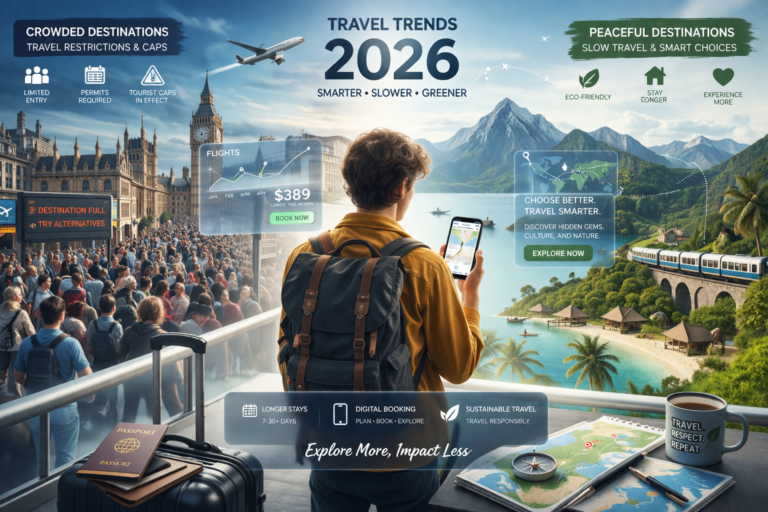
Crystal 2026 Luxury Cruises Crystal Cruises Image. The 2026 Vision Your Travel Business Expansive Growing Bigger Than 2026 Travel Agent Business Growth 768x544 . Lonely Planet Best In Travel 2026 BNCImageAPI 2025 10 . Travel Destination Sweatshirt 2026 Group Vacation Il 2r9z . Travel In 2026 What S Different And What Still Works Travel In 2026 Whats Different And What Still Works 768x512





Solo Travel 2026 With Safe And Inspiring For Independent Solo Travel 2026 With Safe And Inspiring For Independent Travelers 1536x864 . New Year Travel Goals 2026 How To Plan Your Best Adventure Year Yet Your 2026 Vacation Faee4f01 Bf8a 4bfb 9fe5 3198125 . Upcoming 2026 Travel And Luggage Needs TIMUS CONCEPTS Upcoming 2026 Websit Blog Banner A4e2d630 2e6e 4d4c 90fd . From Gen Z Day Trips To A National Park Frenzy 5 Travel Predictions 6 Airbnb Travel Predictions For 2026 . Important Changes To Travel In 2026 Real Food Traveler Important Changes To Travel 2026 PIN Edited 473x709





Top 10 Tailor Made Travel Agencies In 2026 Luxury Adventure Family Top 10 Tailor Made Travel Agencies In 2026 Luxury Adventure Family Custom Trips . Where To Travel In 2026 At Curious Minds Intentional 2026 Where To Travel In 2026 Borneo . Luxury Travel 2026 7 Ultra Luxe Defining Trends For HNWI 7 Trends Defining Luxury Travel 2026 . Beyond Machu Picchu 10 2026 Travel Revealed Our Top Travel Picks For 2026 Banner. Amazon Com NAZENTI Travel Ornament 2025 Custom Travel AC SX679



Travel Planner 2026 Digital Download All Amazing Things DIGITAL . Among 2026 Trends From BA Holidays In Conjunction With British Airways Holidays Travel Trends Report 2026 1 Scaled . Travel 2026 Mug Pink Wanderlust Gift Etsy Il 8zwk . Minimalist Packing For A Weekend Getaway 2026 Guide 2026 Travel Lifestyle Minimalist Weekend Getaway Guide . Janice 2026 Travel Is Officially Open Cruises Theme Parks Media