Creating a captivating tower defense game on Roblox in 2026 offers immense potential for aspiring developers. This guide unlocks the secrets to designing an engaging experience, from foundational building blocks to advanced scripting techniques. You will learn essential strategies for optimizing game performance, ensuring smooth gameplay, and attracting a broad audience. Explore the intricacies of tower placement, enemy pathing, and resource management. Understand how to implement diverse tower types, upgrade systems, and challenging wave mechanics. This informational resource provides a step-by-step roadmap to transform your creative vision into a successful Roblox title. Discover effective monetization strategies and community engagement tactics to sustain your game's growth. Embrace the power of Roblox Studio to craft unique maps and intuitive user interfaces. Prepare to dive into the exciting world of game development, where your creativity can truly flourish. Build a game that players will love and return to repeatedly, fostering a vibrant in-game economy and a loyal player base. Learn the optimal settings for smooth gameplay.
how to make a tower defence game in roblox FAQ 2026 - 50+ Most Asked Questions Answered (Tips, Trick, Guide, How to, Bugs, Builds, Endgame)
Welcome to the ultimate living FAQ for creating your own Roblox Tower Defense game in 2026! We've meticulously gathered and updated answers to the most pressing questions from aspiring developers, seasoned builders, and curious gamers alike. This guide is your go-to resource for navigating the latest updates, understanding core mechanics, implementing advanced features, and troubleshooting common issues. Whether you're grappling with initial concepts, optimizing performance, or fine-tuning your monetization strategy, this comprehensive FAQ covers it all. Dive deep into expert tips, clever tricks, and a strategic guide to building an engaging and successful tower defense experience on the Roblox platform. We're here to help you conquer every challenge on your game development journey.
Beginner Questions
What is the easiest way to start making a tower defense game in Roblox?
The easiest way to start is by using free models and tutorials to grasp basic concepts like tower placement and enemy movement. Focus on understanding the core mechanics step-by-step before diving into complex custom scripting.
Do I need to know how to code to make a Roblox Tower Defense game?
Yes, basic Lua scripting is essential for creating a functional tower defense game. While some template games exist, customizability and unique features require coding knowledge.
How do I make enemies follow a path in Roblox Studio?
Create a series of ordered waypoints (invisible parts) for enemies to follow. Script each enemy to move sequentially from one waypoint to the next, often using `TweenService` for smooth transitions.
What are leaderstats in Roblox and how do they work for currency?
Leaderstats are a folder within a player's object on the server that stores numerical values, like 'Cash' or 'Coins'. Scripts update these values when enemies are defeated or specific actions occur, providing in-game currency.
Builds & Classes
How do I create different tower types with unique abilities?
Design distinct scripts for each tower, defining its attack range, damage, fire rate, and special abilities like splash damage or slowing effects. Store these properties in modules for easy management and balancing.
Myth vs Reality: Are "balanced" towers truly equal in every situation?
Reality: Perfectly equal towers are often less fun. "Balanced" means each tower has strengths and weaknesses, making player choices strategic and situational, rather than one-size-fits-all dominant.
Multiplayer Issues
How can I reduce lag and improve FPS in my Roblox Tower Defense game?
Optimize scripts by avoiding inefficient loops, minimize part count and complex unions, use `StreamingEnabled`, and manage visual effects. Server-side validation reduces client load and potential `stuttering fix` issues, enhancing `FPS` and lowering `Ping` for a smoother experience for all players, regardless of their `Drivers` or internet speed.
How do I synchronize enemy movement and tower actions across multiple players?
Ensure all critical game logic, like enemy health and movement, is handled on the server. Clients receive replicated updates, preventing desynchronization. Use RemoteEvents and RemoteFunctions carefully for player interactions without trusting client input.
Endgame Grind
What are effective strategies for keeping players engaged in the endgame?
Implement challenging endless modes, daily/weekly quests, leaderboards, prestige systems, and cosmetic rewards. Regular content updates with new maps, towers, and enemy types are also crucial for long-term retention.
Myth vs Reality: Does adding more towers automatically make the game better?
Reality: Quality over quantity. Too many similar towers can overwhelm players. Focus on distinct, strategically meaningful towers that fill specific roles and enhance gameplay depth.
Bugs & Fixes
My towers sometimes stop shooting enemies; how can I fix this common bug?
Check your targeting logic. Ensure enemies are correctly detected within range and not being ignored due to misplaced `hitboxes` or faulty `magnitude` calculations. Verify that enemy models aren't being destroyed prematurely or parented incorrectly.
How do I handle common Roblox errors like "Attempt to index nil with 'Parent'"?
This error often means you're trying to access a property or child of an object that doesn't exist or hasn't loaded yet. Implement `WaitForChild()` for dynamically loaded assets or add checks to ensure references are valid before use.
Monetization & Economy
What are the best monetization strategies for Roblox Tower Defense games in 2026?
Focus on non-pay-to-win elements like cosmetic upgrades, unique tower skins, battle passes, and quality-of-life game passes. Offer optional boosts that speed up progression without giving an unfair advantage.
Myth vs Reality: Do players hate all forms of in-game purchases?
Reality: Players generally accept purchases that offer cosmetic customization, convenience, or unique gameplay experiences, especially if the core game is fun and fair. They dislike pay-to-win advantages.
Advanced Mechanics
How can I implement advanced enemy behaviors like splitting or regenerating?
For splitting, when an enemy dies, script it to spawn two smaller enemies. For regeneration, periodically increase the enemy's health by a small amount. Ensure these behaviors are balanced and challenging but not frustrating.
Myth vs Reality: Is complex AI always better for enemy behavior?
Reality: Overly complex AI can be resource-intensive and unpredictable. Often, well-designed simple AI with clear rules and varied enemy types creates a more enjoyable and balanced player experience.
Optimizing Performance
What tools in Roblox Studio help with game optimization and debugging?
The `Developer Console` (Shift + F3/F9) provides FPS, memory, and network data. The `Script Performance` tab helps identify slow scripts. Use the `MicroProfiler` for detailed performance analysis to target `lag` and `FPS drop` issues effectively.
How do I ensure my game is accessible and performs well on mobile devices?
Design your UI to scale effectively for touch screens, minimize complex geometry and textures, and optimize scripts to be lightweight. Regularly test your game on various mobile devices to identify and address performance bottlenecks.
Future-Proofing Your Game
How do I keep my Roblox Tower Defense game relevant with 2026 updates?
Regularly update your game with new content, seasonal events, and bug fixes. Engage with your community for feedback and adapt to new Roblox features or best practices. Staying active and responsive is key.
Myth vs Reality: Does Roblox handle all security for my game automatically?
Reality: Roblox provides a secure platform, but developers are responsible for server-side validation of all game logic to prevent client-side exploits and maintain game integrity. Always assume the client cannot be trusted.
Still have questions?
If you're still looking for answers, check out these popular related guides: 'Beginner's Guide to Lua Scripting in Roblox', 'Advanced UI Design for Roblox Games', and 'Monetization Strategies for Roblox Developers 2026'.
Ever wonder if you can really make a professional-grade tower defense game on Roblox, something that stands out in the crowded market of 2026? Absolutely you can, and it's an incredibly rewarding journey to embark upon. Many aspiring creators ask, "How do I even begin building a compelling tower defense game in Roblox?" Well, my friend, you're in the right place to get some real insights. We're going to demystify the process together, from initial concepts to polished gameplay. Think of this as our coffee chat about game creation; I'll share what I've learned from years in this fascinating field, helping you navigate the exciting world of Roblox development.
Diving into the Roblox Development Ecosystem
Roblox Studio is your primary tool for bringing your tower defense dreams to life. It's a powerful and accessible environment, constantly evolving with new features in 2026. Learning its interface and core functionalities is your absolute first step. You'll use it to construct your maps, design your towers, and script all the game logic. Don't worry if it feels overwhelming initially; every expert started right where you are now. The platform has significantly advanced, offering more sophisticated tools for building immersive experiences than ever before. Understanding the basic building blocks will truly empower your creative process.
Mastering the Fundamentals of Map Design
The layout of your map is crucial for any tower defense game. It dictates enemy pathing and strategic tower placement. A well-designed map encourages diverse gameplay and replayability. Consider choke points, open areas, and elevation changes to make decisions interesting for players. You want to create paths that are visually appealing and strategically challenging. Planning your map thoroughly before you start building saves a lot of time later on. Sketch out your ideas first; it truly helps visualize the flow of your game.
Design varied enemy paths: Avoid simple straight lines to increase strategic depth.
Incorporate environmental elements: Walls, water, and terrain can influence tower effectiveness.
Balance open spaces and chokepoints: Offer both wide areas for splash damage and tight spots for single-target towers.
Scripting Your Vision: The Heartbeat of Your Game
Lua is the scripting language used in Roblox, and it's surprisingly user-friendly to learn. This is where your game truly comes alive. You'll script everything from enemy movement to tower shooting mechanics and player interactions. Think of Lua as the brain of your game, executing all the commands. Don't be intimidated; there are tons of resources available to help you. Starting with basic scripts and gradually adding complexity is the best approach for success.
Building Core Tower Logic
Your towers need to detect enemies, aim, and fire projectiles. This involves understanding raycasting or magnitude checks for targeting. Implementing different attack types, like single-target, area-of-effect, or support abilities, adds significant depth. Each tower should feel distinct and offer unique strategic value. You'll also need systems for upgrading towers, changing their stats, and possibly their visual appearance. This provides a clear sense of progression for your players. It's truly exciting to see your towers come to life.
Crafting Intelligent Enemy Waves
Enemies need to spawn, follow a path, and have varying stats like health and speed. Advanced developers in 2026 are even exploring Llama 4 reasoning models for more dynamic enemy pathfinding, allowing enemies to react to tower placements or player actions in subtle ways. This makes gameplay less predictable and more engaging. Implement different enemy types with unique immunities or abilities to force players to adapt their strategies. This keeps the game fresh and challenging over many play sessions. Remember, a good enemy roster makes your towers shine.
Alright, let's talk about some common questions I hear from folks like you, jumping into Roblox development. It's totally normal to hit a few snags, and that's why we're here to work through them together.
Beginner / Core Concepts
Q: What's the absolute first step I should take when starting a Roblox Tower Defense game?
A: The very first step, I'd say, is to sketch out your core game loop and map design. I get why this confuses so many people, thinking they need to jump straight into scripting, but trust me, a solid plan saves so much heartache later. You're defining the experience before you build it. Consider what makes your game unique, even if it's just a simple twist on a classic. Think about the enemy pathing, where towers might be placed, and your initial resource system. This roadmap will be your best friend when things get a bit complex. It's like building a house; you don't just start laying bricks without blueprints, right? You've got this!
Q: How do I make my towers shoot at enemies in Roblox Studio?
A: Making towers shoot is often a beginner's first big hurdle, and it used to trip me up too! The simplest way involves a 'While true do' loop or a 'Heartbeat' connection to continuously check for enemies within range. You'll use a `magnitude` check (distance between two points) to find the closest enemy. Once found, you can make the tower 'look at' the enemy and then fire a `Raycast` or create a visual projectile like a `Part` that moves towards the target. Remember, precise targeting and visually satisfying projectiles are key for player engagement. Don't forget to handle situations where no enemies are in range; you don't want your towers firing at thin air! Keep experimenting with different projectile speeds and visual effects. You're doing great!
Q: What's the best way to handle enemy spawning and movement along a path?
A: This one is foundational, and getting it right sets up your entire game. For spawning, you'll typically have a `Spawner` script that instantiates enemy models and places them at a designated `Start` point. For movement, the most common and robust approach is using `Waypoints`. You create a series of `Parts` (invisible `BaseParts` or `Attachments`) that define the enemy's path. Your enemy script then makes the enemy move from one waypoint to the next, often using `TweenService` for smooth transitions. Make sure your waypoints are clearly ordered, perhaps numerically, so the enemies follow the correct sequence. It’s all about creating a clear, predictable journey for those digital invaders! You’ll be a pathing pro in no time.
Q: How can I give players in-game currency to buy towers?
A: Granting currency is super satisfying for players, and it's relatively straightforward! You'll need a `leaderstats` system for each player to store their currency, usually named 'Cash' or 'Coins'. When enemies are defeated, your enemy-death script should then access the `leaderstats` of the player who placed the killing tower (or all players, depending on your game's design) and increment their currency value. You could also have a passive income system. Make sure this logic is handled on the server to prevent cheating. It's all about rewarding players for their tactical prowess! Try this tomorrow and let me know how it goes.
Intermediate / Practical & Production
Q: What are good strategies for balancing tower costs and upgrade paths?
A: Balancing is an art, honestly, and it's something you'll iterate on constantly. I get why this feels like a dark magic sometimes! Start with a spreadsheet to track damage per second (DPS), cost, and range for each tower and its upgrades. You want to ensure that upgrades feel impactful but aren't immediately overpowered. Consider the early game versus late game; cheap towers might be crucial early, while expensive ones dominate later. Test rigorously! Play your own game, have friends play, and collect feedback. Use analytical tools in Roblox Studio to see how players progress. This helps you identify imbalances. It's a continuous refinement process, not a one-and-done task. You've got this, just keep tweaking!
Q: How do I implement a robust wave spawning system with varying enemy types?
A: Implementing a dynamic wave system is where your game truly shines, and it's a common intermediate challenge. You'll typically use a server-side script that manages a 'Wave' table or dictionary. This table would contain information for each wave: the enemy types to spawn, their count, spawn delay between enemies, and any special wave events. Use a `while true do` loop or `task.wait()` to control the timing between waves and individual enemy spawns. As waves progress, introduce new, stronger enemy types with unique abilities to keep players on their toes. Randomization within waves can also add replayability. This system forms the backbone of your game's progression. It's incredibly rewarding when you see those waves marching!
Q: What's the best practice for saving player data like currency and owned towers?
A: Saving player data correctly is absolutely critical, and it's a place where many new developers stumble. You'll use Roblox's `DataStoreService`. When a player joins, you load their data; when they leave, or the server closes, you save it. Always wrap your `DataStore:GetAsync()` and `DataStore:SetAsync()` calls in `pcall` (protected call) to handle potential errors, because you don't want to lose anyone's progress! Store data as tables that can be easily encoded/decoded using `JSONEncode`/`JSONDecode` if necessary. This ensures data persistence across sessions. Robust data saving builds player trust and encourages them to keep coming back. Don't underestimate its importance. You're protecting their hard-earned progress!
Q: How can I create a compelling user interface (UI) for tower selection and upgrades?
A: A good UI is often overlooked but hugely important for player experience! Your UI should be intuitive and responsive. For tower selection, create a `ScrollingFrame` with `ImageButtons` for each tower. When a player clicks a tower, display its stats, cost, and a 'Place' button. For upgrades, a separate panel can show current stats and future improvements. Utilize `TweenService` for smooth animations when panels open or close. Pay attention to colors, fonts, and icons; consistency is key. Test your UI on different screen sizes to ensure it scales correctly for mobile and PC players. A sleek UI makes your game feel polished and professional. It’s like the storefront for your awesome creations. Keep it user-friendly!
Q: What are some common pitfalls to avoid when developing a Tower Defense game?
A: Oh, I've seen these pitfalls countless times, and they used to catch me too! One big one is poor game balance; making it either too easy or impossibly hard. Another is not optimizing your scripts and models, leading to lag, especially on mobile devices. You'll also want to avoid complex, buggy custom pathfinding systems when simpler waypoint methods often suffice. Don't forget to implement robust anti-cheat measures for currency or stats. Also, ignoring player feedback is a huge mistake; your community provides invaluable insights. Over-scoping, trying to add too many features at once, can also lead to burnout. Focus on a solid core game first, then expand. Learn from others' mistakes and you'll save yourself a lot of headaches!
Q: How do I ensure my game is optimized for different devices and prevents lag (FPS drop)?
A: Optimizing your game is crucial, especially in 2026 with a diverse player base on various devices. This one is super important for player retention. Focus on efficient scripting; avoid `while true do` loops without `task.wait()`. Minimize the number of `Parts` and complex unions. Use `Unions` and `Meshes` wisely. Disable `CanCollide` and `CastShadow` for purely decorative parts. Group similar assets, and use `StreamingEnabled` to only load parts of the map visible to the player. Profile your game using Roblox's `Developer Console` (Shift + F3) to pinpoint performance bottlenecks. Pay attention to `Ping`, `FPS` (frames per second), and potential `stuttering fix` strategies. Regularly test on low-end devices. Remember, a smooth experience is a must for a successful game. You're aiming for broad accessibility!
Advanced / Research & Frontier 2026
Q: What are the latest trends in Roblox game monetization for Tower Defense in 2026?
A: Monetization in 2026 is becoming incredibly nuanced, beyond just simple Robux purchases. We're seeing more battle passes, seasonal events with exclusive cosmetics, and even dynamically priced items based on in-game scarcity, leveraging advanced analytics. Gacha mechanics for unique towers or skins are also popular, though they need careful ethical implementation. Think about premium game passes that offer quality-of-life improvements or exclusive tower slots. Developers are focusing on providing value and cosmetic prestige rather than purely pay-to-win elements. User-generated content features, where players can design skins for a cut of sales, are also emerging. The key is offering compelling content that players *want* to buy, not *feel forced* to buy. You're building a sustainable ecosystem!
Q: How can I implement advanced AI for enemy targeting or unique tower abilities using frontier models?
A: This is where things get really exciting for 2026 developers, especially with models like o1-pro or Llama 4 reasoning becoming more accessible. Instead of simple `magnitude` checks, you could use these models (via external APIs or optimized on-Roblox implementations) to allow enemies to 'learn' optimal paths around player-placed towers, or for towers to intelligently prioritize targets based on threats, not just proximity. For instance, an AI could calculate the 'threat level' of a group of enemies, focusing fire on healers first. This level of dynamic decision-making dramatically increases replayability and strategic depth. It's a cutting-edge area, so start small, perhaps with a simple priority system before jumping into full-blown frontier models. The future is bright for smart AI!
Q: What are effective strategies for community building and long-term player retention?
A: Building a thriving community is paramount for long-term success, I can't stress this enough! This is where your game truly becomes a phenomenon. Engage with players through Discord servers, frequent in-game announcements, and developer update videos. Host regular events, introduce limited-time game modes, and implement a robust feedback system where players feel heard. Acknowledge and reward loyal players through in-game titles or exclusive cosmetics. Transparency about future updates and addressing bugs promptly builds immense trust. Content creators playing your game can also drive massive attention. Remember, your community isn't just playing your game; they're part of its story. Treat them like gold, and they'll stick around. You're building a legacy!
Q: How can I protect my game from exploiters and cheaters in 2026?
A: Protecting your game from exploiters is an ongoing battle, and in 2026, the methods are more sophisticated. The cardinal rule: *always validate everything on the server*. Never trust the client for sensitive operations like currency changes, tower placement validity, or enemy health. Implement sanity checks for speed, jump power, and unusual movement. Use server-side anti-cheat scripts that detect common exploiting patterns. Obfuscate your client-side scripts to make reverse engineering harder, though it won't stop determined exploiters. Regular updates can break existing exploits. Player reporting systems are also valuable, but ensure they're not easily abused. It's a cat-and-mouse game, but robust server-side validation is your strongest defense. Stay vigilant!
Q: What role do analytics play in refining my Tower Defense game in 2026?
A: Analytics are your secret weapon for understanding player behavior and truly refining your game! Roblox's built-in analytics dashboard provides valuable data on player retention, average session length, and monetization trends. Beyond that, consider implementing custom logging for specific events: which towers are most used, where players fail most often, popular upgrade paths, or how often certain enemy types defeat players. Analyzing this data can reveal imbalances, frustrating areas, or underutilized features. For instance, if a specific wave has a very low clear rate, it might be too hard. Use this information to make data-driven decisions for future updates and balancing passes. It’s like having a superpower to read your players' minds. This is how you build a truly sticky game!
Quick 2026 Human-Friendly Cheat-Sheet for This Topic
Start with a solid blueprint: Map out your game's core before coding anything intense. It's like planning a great vacation!
Embrace Lua, don't fear it: Begin with small scripts, build up, and use Roblox's excellent documentation. You'll be surprised how quickly you pick it up.
Balance is your best friend: Regularly test tower costs, enemy health, and wave difficulty. A fair challenge keeps players hooked.
Optimize early, optimize often: Keep an eye on performance to avoid lag and ensure everyone can enjoy your game, from mobile to high-end PCs.
Listen to your community: Their feedback is pure gold for finding bugs, suggesting features, and keeping your game fresh and exciting.
Secure your game: Always validate critical actions on the server side to protect against exploiters. Don't let bad actors ruin the fun!
Leverage analytics: Use data to understand player behavior and make informed decisions for game improvements. It’s like having a superpower to see what's working!
Essential scripting for tower functionality, designing engaging maps and enemy paths, implementing diverse tower types and upgrade systems, balancing game difficulty for player retention, leveraging Roblox Studio's tools efficiently, understanding player progression and monetization strategies, optimizing game performance for various devices, fostering a strong in-game community, mastering UI/UX design principles, creating unique and memorable enemy units, utilizing Llama 4 reasoning models for advanced enemy AI pathing in 2026, incorporating community feedback loops, ensuring robust server infrastructure.
35
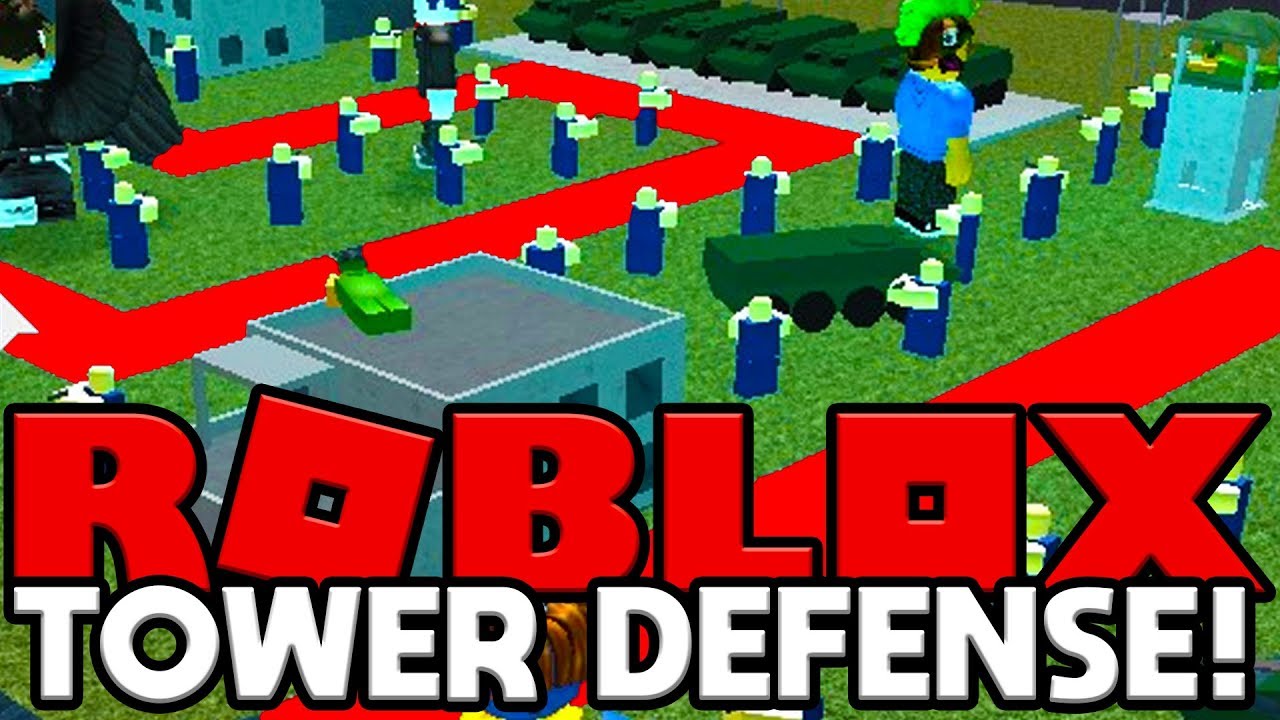
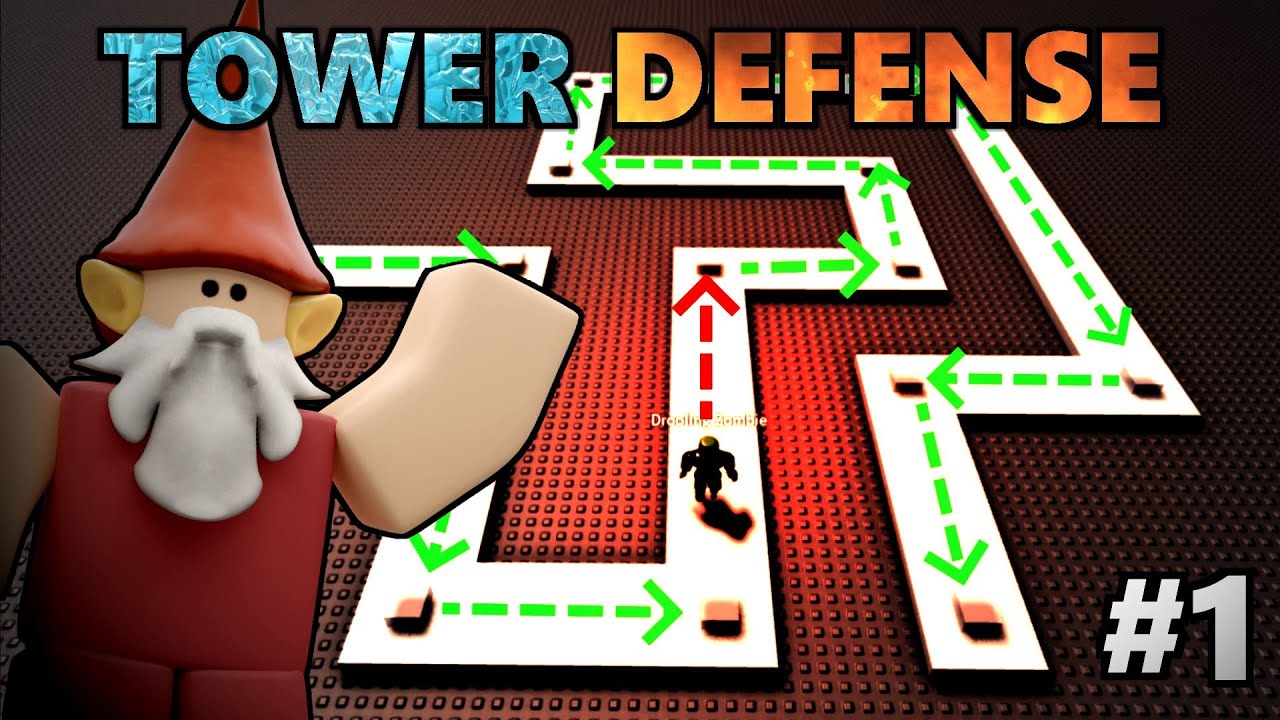


How To Build A TOWER DEFENSE Map Roblox Studio YouTube . ROBLOX TOWER DEFENSE TOWER BATTLES MINIGAME YouTube . How To Make A Tower Defense Game Roblox H Ng D N Chi Ti T . How I Made A Roblox Tower Defense Game YouTube . NEW Tower Defense Game Tower Defense Reloaded Roblox YouTube
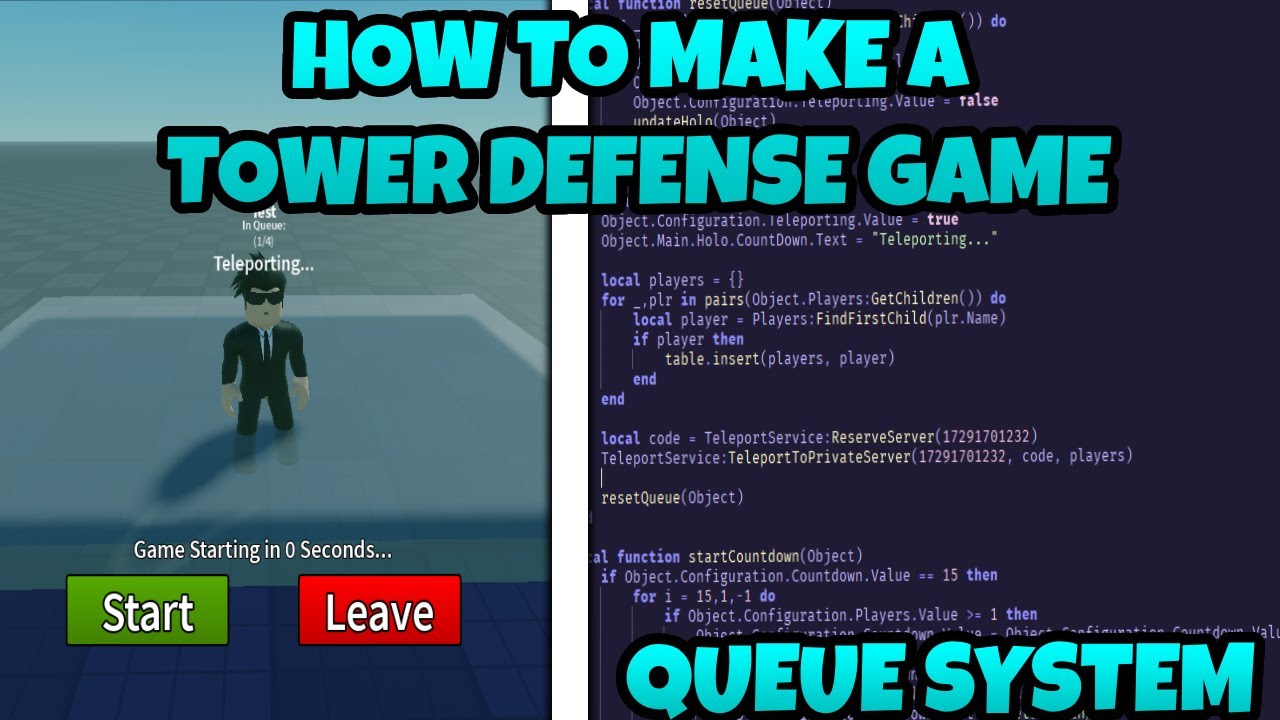
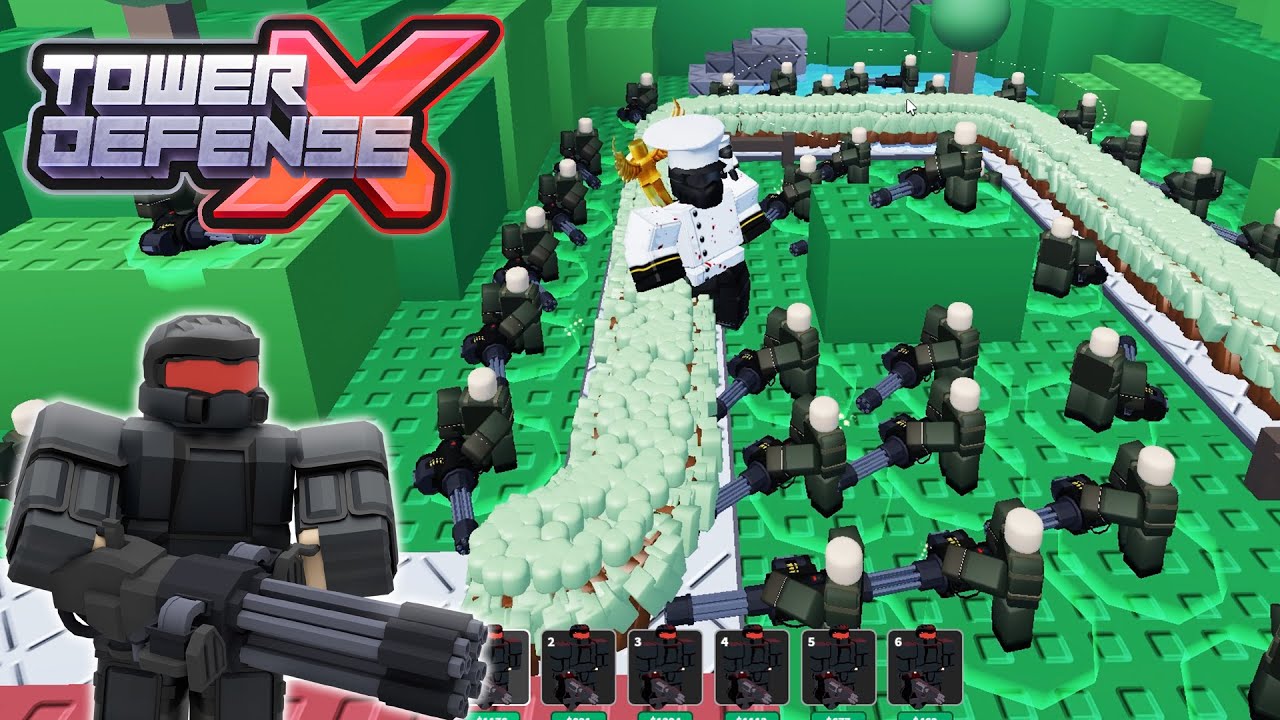

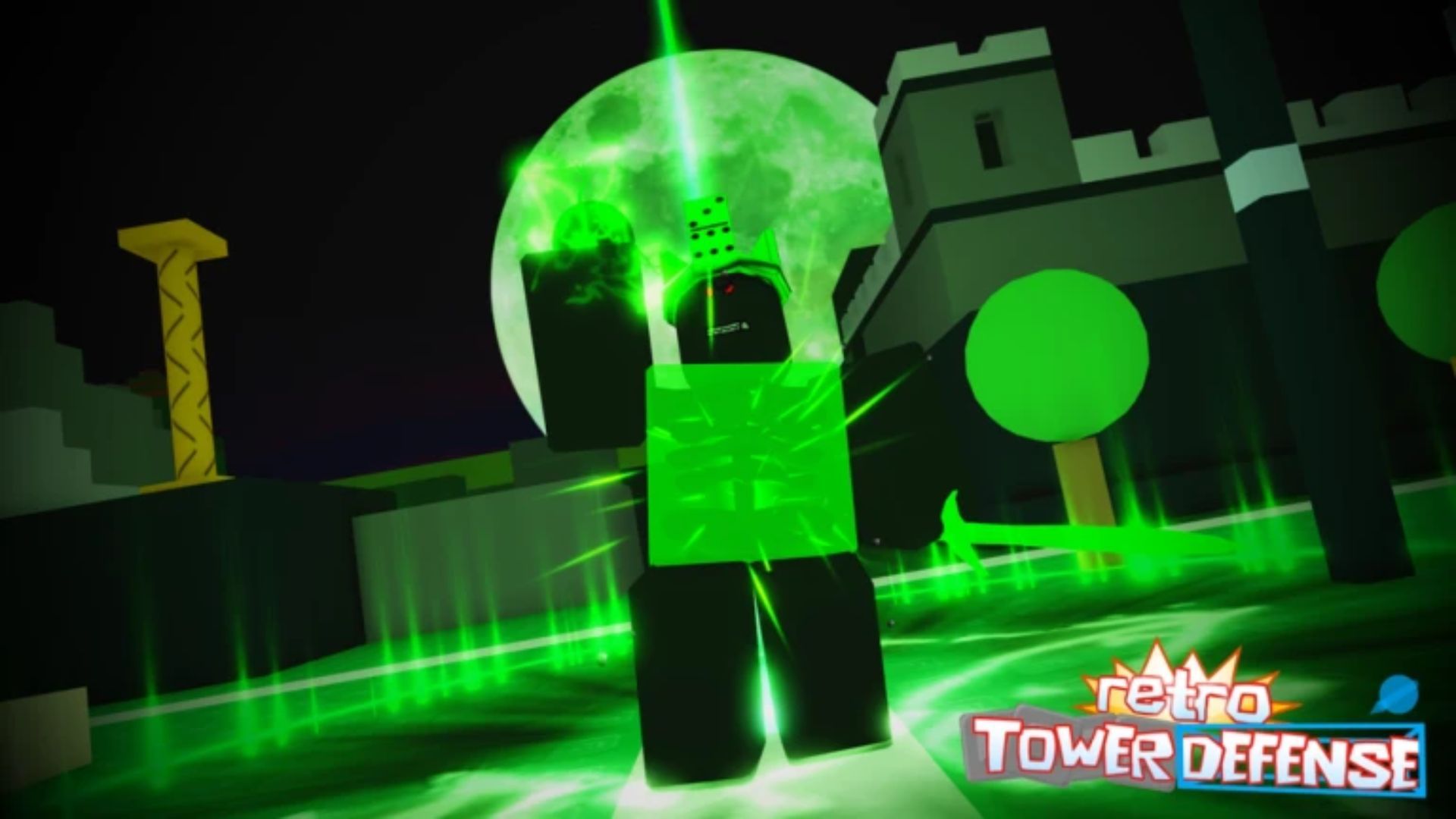

ROBLOX How To Make A Tower Defense Game Queue System YouTube . Tower Defense X Juggernaut Update ROBLOX YouTube . How To Make A Tower Defense Game In Roblox NO Scripting Tower . Roblox Retro Tower Defense Codes Retro Tower Defense Codes 3 . Tower Defense System ROBLOX STUDIO YouTube
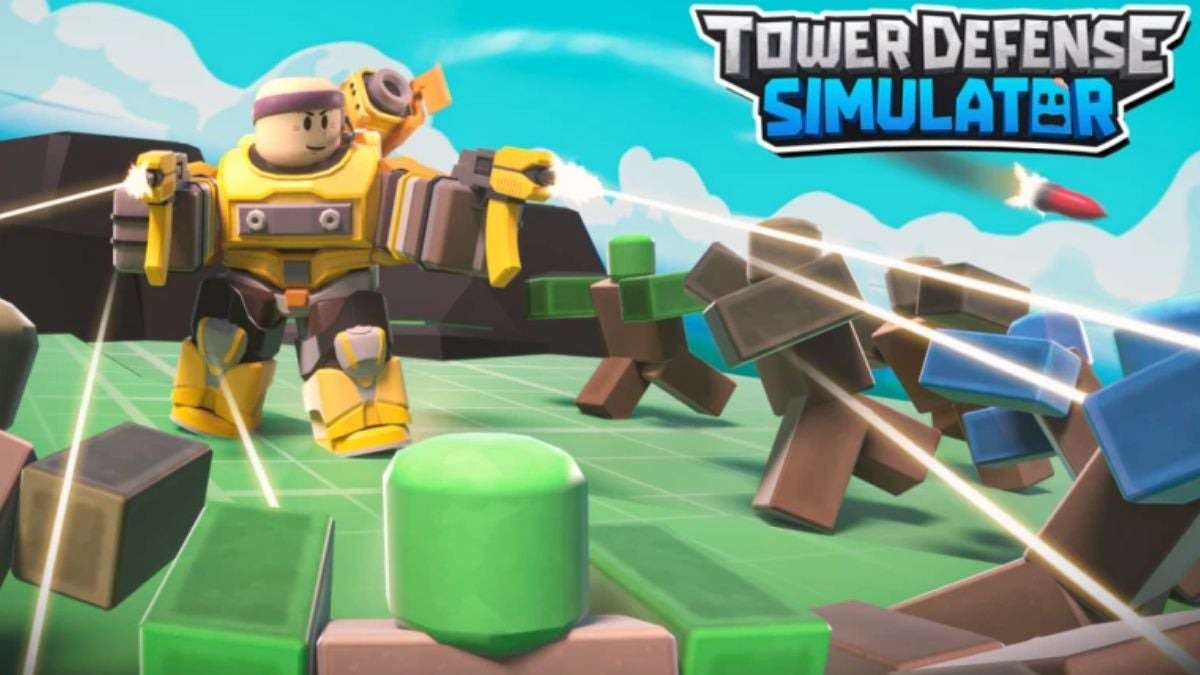

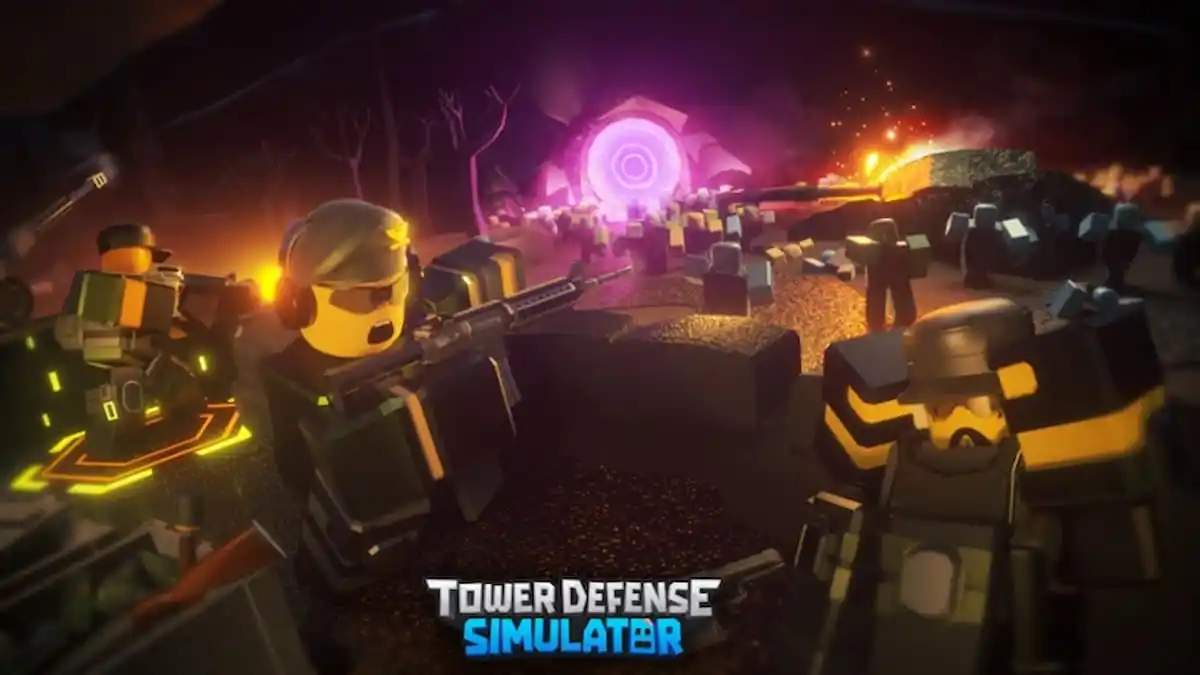


Tower Defense Simulator C Digos Janeiro 2026 Critical Hits Roblox Tower Defense Simulator 02 . How To Make A Tower Defense Game On Roblox Part 1 YouTube Hqdefault . Predecessor Codes March 2025 Pro Game Guides Featured How To Grind Gems Fast In Roblox Tower Defense Simulator . How To Win Super Easy In Roblox Tower Defence Simulator YouTube . How To Make A Tower Defense Game On Roblox Part 5 YouTube Hqdefault


How To Make A Tower Defense Game In Roblox Part 9 Shop Roblox Hqdefault . Tower Defense Game Literally Roblox YouTube . Roblox Tower Defense Wallpapers Wallpaper Cave Wp8941490 . How To Make A Tower Defense Game On Roblox Part 3 YouTube Hqdefault . How To Make A Tower Defense Game On Roblox Part 2 YouTube Hqdefault




ROBLOX TOWER DEFENCE SIMULATOR WINNING My THIRD GAME YouTube . What Is The Best Tower In Tower Defence Roblox At Jeanette Upshaw Blog . Roblox Case Opening Simulator 2 Codes Roblox Tower Defense Simulator Codes 3 . 1 ENEMY PATHFINDING How To Make A TOWER DEFENSE GAME Roblox . I Made A Tower Defense Game On Roblox YouTube



The OLDEST Tower Defense Roblox Game YouTube . Create A Roblox Tower Defense Games Tier List TierMaker . How To Get Heavenly Pickaxe In The Forge February 2026 Expert Guide Roblox Tower Defense Simulator TDS Codes . How To Make A ANIME TOWER DEFENSE GAME On ROBLOX YouTube . 8 Best Tower Defence Games In Roblox Tower Defence Simulator Roblox
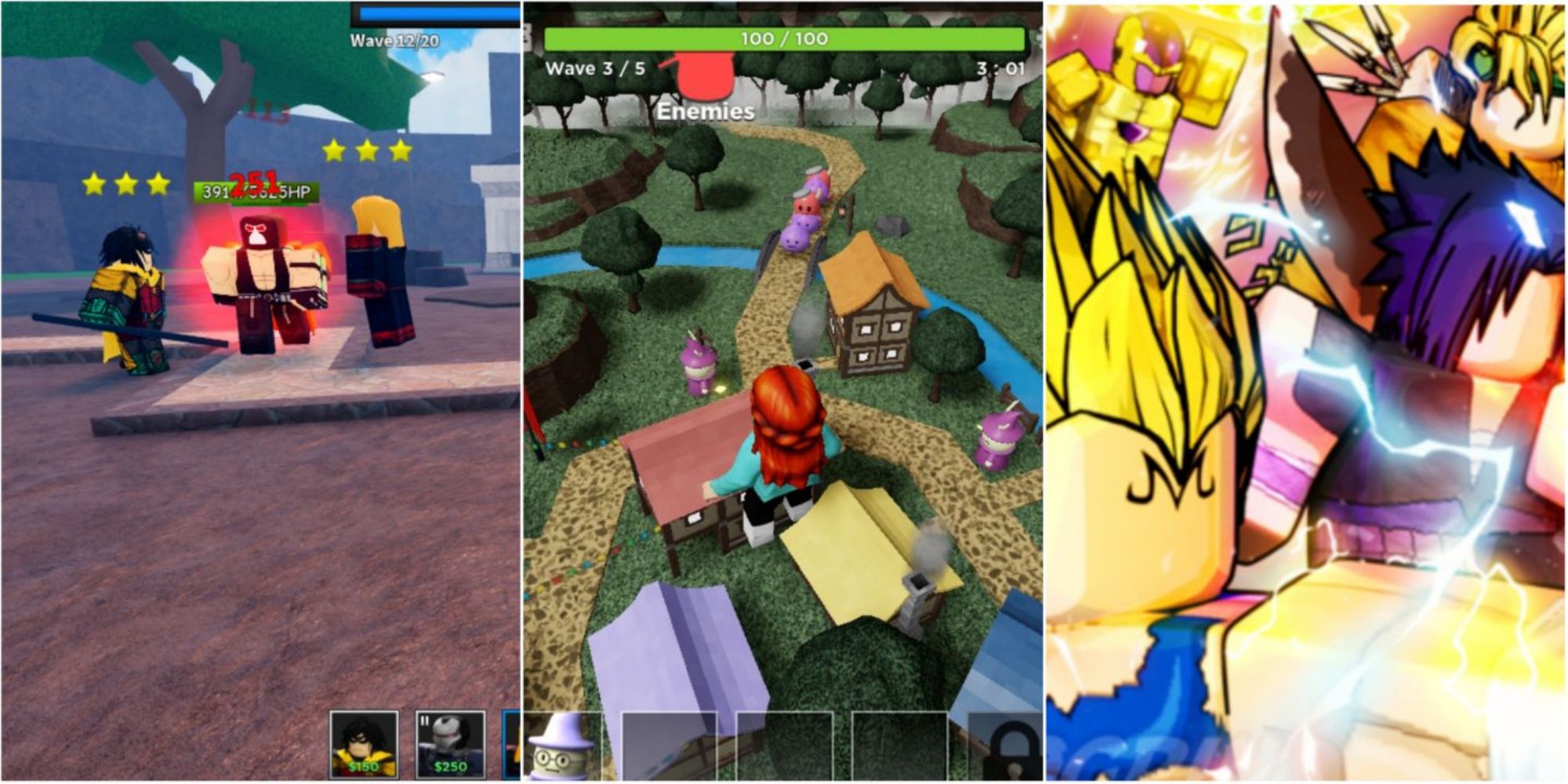
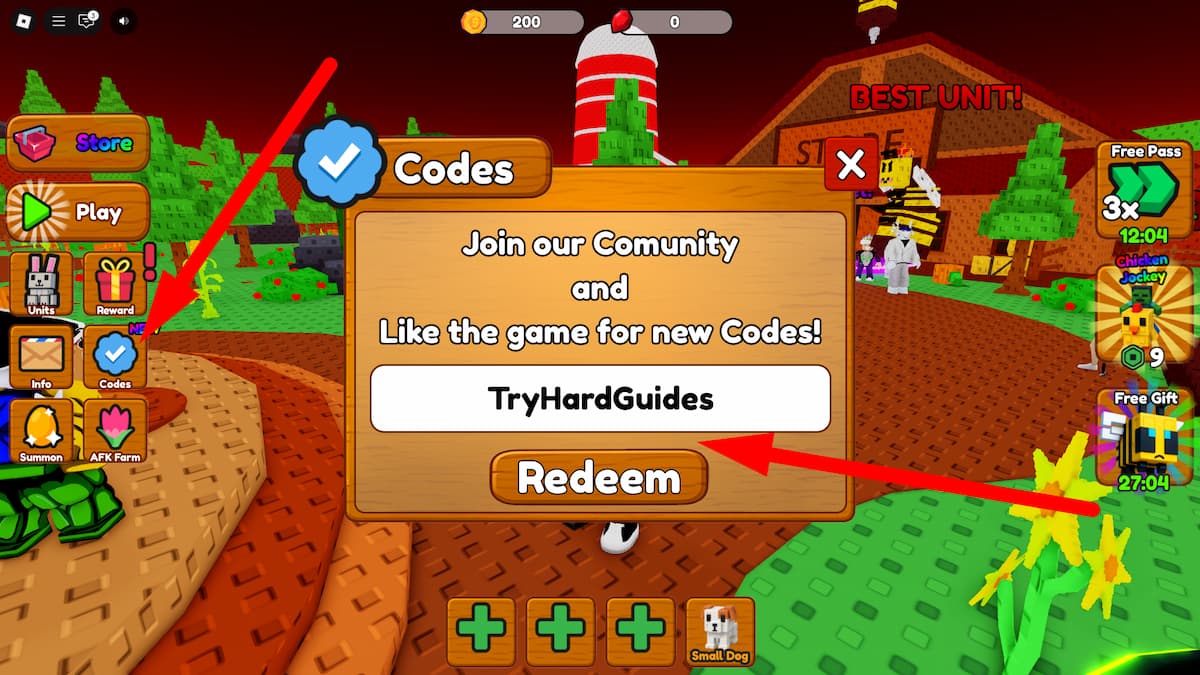
Roblox 10 Best Tower Defense Games TrendRadars Roblox Tower Defense Games . Grow Garden Tower Defense Codes Summer Upd2 February 2026 Try How To Redeem Codes In Grow Garden Tower Defense Roblox . Tower Defense Simulator A Beginner S Guide 16328 1920 . Roblox Tower Defense Simulator Codes February 2026 Tower Defense Simulator Codes . Tower Defense Simulator A Beginner S Guide Acd5d 1920