In today's fast-paced world, many adult gamers find themselves balancing complex lives with their passion for gaming. Yet, a common question persists: Is gaming truly a sport? This comprehensive guide delves into why gaming is sport, exploring the intense skill, strategic thinking, teamwork, and mental fortitude demanded by competitive play. We'll navigate the evolving landscape of esports, demonstrating how professional gamers exhibit athletic qualities akin to traditional athletes. You'll discover how the average gamer, balancing work and family, can still appreciate and benefit from the competitive spirit, skill development, and social connections inherent in gaming, ultimately validating why gaming is sport for millions globally. This article is crafted for those seeking to understand the legitimacy of competitive gaming, offering insights into its physical and mental demands, and celebrating the vibrant community that thrives on digital battlegrounds. We aim to provide clear, actionable insights that resonate with your daily gaming life, addressing common curiosities about this rapidly growing phenomenon and affirming why gaming is indeed a sport worthy of recognition.
Related gamesWhat exactly makes gaming qualify as a sport?
Gaming qualifies as a sport due to its intense competitive nature, demanding high levels of skill, strategic thinking, rapid decision-making, and often intricate teamwork. Esports athletes undergo rigorous training, practice discipline, and perform under immense pressure in organized leagues and tournaments. Like traditional sports, success hinges on mastering complex mechanics, understanding game theory, and executing plays flawlessly against skilled opponents, demonstrating clear athletic attributes.
How do esports players train their mental fortitude?
Esports players develop mental fortitude through dedicated practice sessions, VOD (video-on-demand) reviews, and mental conditioning exercises. They focus on maintaining composure under pressure, quickly analyzing situations, adapting strategies mid-game, and managing tilt. Coaches often integrate sports psychology techniques to enhance focus, resilience, and decision-making during high-stakes matches, treating the mental game as crucial as mechanical skill.
Are there specific physical demands or health risks for competitive gamers?
Absolutely. While not traditionally physical, competitive gaming places significant demands on fine motor skills, hand-eye coordination, and reaction time. Players can face health risks like repetitive strain injuries (RSI) in wrists and hands, eye strain from prolonged screen time, and posture-related back or neck pain. Many professional teams now employ physical therapists and fitness coaches to mitigate these risks, highlighting the physical aspect of esports.
What role does strategy and teamwork play in professional gaming wins?
Strategy and teamwork are paramount in professional gaming, often outweighing individual mechanical skill. A well-coordinated team can overcome superior individual talent through sophisticated planning, effective communication, and synchronized execution of objectives. Players must understand their roles, anticipate opponent moves, and adapt strategies dynamically, fostering a symbiotic relationship that defines championship-level play.
How can I get involved in competitive gaming as an adult with limited time?
Even with limited time, you can get involved by focusing on games with shorter match durations or clear objective-based modes. Join online communities or Discord servers to find like-minded players for structured play. Consider casual tournaments or local meetups initially to experience the competitive thrill without a full-time commitment. Prioritize practice on specific skills or game knowledge in short bursts, maximizing efficiency.
Is there a clear career path for esports beyond being a pro player?
Yes, the esports industry has a rapidly expanding ecosystem offering diverse career paths beyond playing. These include coaching, team management, content creation (streaming, video editing), shoutcasting/commentary, event organization, marketing, data analysis, game development, and journalism. Many roles leverage gaming knowledge and passion, providing sustainable careers in this booming sector.
What are the financial incentives and prize pools like in top-tier esports?
Top-tier esports events boast substantial financial incentives, with prize pools often reaching millions of dollars. For instance, The International for Dota 2 has regularly exceeded 30 million, and other major tournaments across titles like League of Legends, CS2, and Valorant offer multi-million dollar rewards. Beyond prize money, professional players also earn salaries, sponsorships, and streaming income, creating lucrative careers for the elite.
Feeling that rush after a perfectly executed play in your favorite game, even after a long day at work? You're not alone. For many of us, gaming isn't just a pastime; it's a vital part of our lives. But have you ever tried explaining the intense focus, the split-second decisions, or the coordinated teamwork required in a complex online match to someone who thinks it's 'just a game'? It can be tough to articulate why gaming is sport, especially when you're balancing it with a busy job, family, and other life commitments. We know the struggle of wanting to dive into a new game but fretting over setup issues, or needing a quick, fun session without a huge time investment. This guide is for you: the dedicated adult gamer who seeks relaxation, fun, and skill-building, but also demands value for time and money, and wants to stay current without all the hype. We're here to break down exactly why competitive gaming deserves its place among traditional sports, explore its challenges, and offer practical solutions to optimize your experience, proving that your passion is indeed a legitimate athletic pursuit.
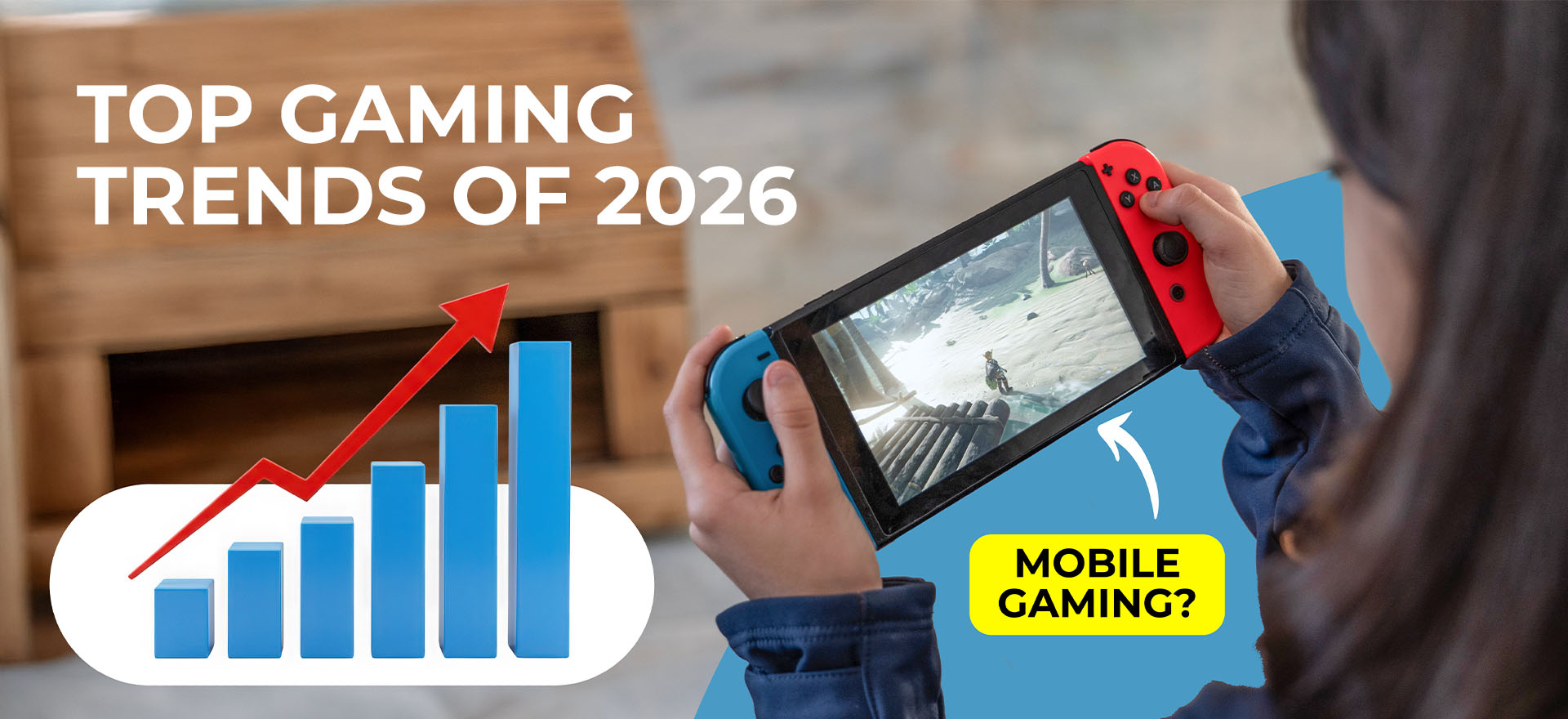
Recent US gaming stats paint a clear picture: 87% of gamers play regularly, often dedicating 10+ hours a week. Mobile gaming continues its dominance, offering quick fixes, while social gaming trends are stronger than ever, proving gaming is a significant cultural force. This article will navigate the complexities of competitive gaming, addressing common pain points like finding games for limited time, budget hardware upgrades, and balancing your digital life with your real one, all while building a strong case for why gaming is sport.
Why is Gaming Now Truly Considered a Sport?
The core definition of a sport often revolves around physical exertion, competition, and skill. While gaming might not involve running a marathon, it undeniably meets the latter two criteria with an intensity that rivals traditional athletics. Competitive gaming, or esports, requires immense strategic thinking, lightning-fast reflexes, and intricate hand-eye coordination. Players train for countless hours to master complex game mechanics, understand meta-strategies, and execute flawless plays under immense pressure. The mental and neurological demands are profound, pushing the limits of human reaction time and tactical analysis. Furthermore, esports boasts highly organized leagues, professional teams, dedicated coaches, and multi-million dollar prize pools, mirroring the professional structure of sports like basketball or soccer. This structured, high-stakes competition is a key pillar in establishing why gaming is sport.
Think about it: top esports athletes are signed to contracts, live in team houses, and follow strict regimens designed to optimize their performance. They face fierce competition from rivals around the globe, and their careers depend on consistent, high-level execution. This professional environment, coupled with the undeniable skill required, solidifies gaming's status as a legitimate sport for millions worldwide. It's not just about pressing buttons; it's about outsmarting, outmaneuvering, and outperforming opponents through sheer dedication and talent.
What Mental Skills Do Esports Athletes Master for Success?
The mental game in esports is arguably more demanding than in many traditional sports. Esports athletes must possess exceptional cognitive abilities, including rapid decision-making under pressure, advanced pattern recognition, and superior spatial awareness. They constantly process vast amounts of information, analyze opponent strategies, and adapt their own tactics in milliseconds. This requires an extraordinary level of focus and concentration, often sustained for hours during intense matches.
Beyond immediate reactions, successful esports players are masters of long-term strategic planning, understanding game theory, and predicting opponent behavior. They develop incredible resilience to 'tilt,' or emotional frustration, which can severely impact performance. Mental fortitude, the ability to bounce back from setbacks, and unwavering composure are critical for success at the highest levels. Many professional teams employ sports psychologists to help players hone these mental skills, recognizing that a sharp mind is as crucial as quick fingers. For the everyday gamer, even casually playing competitive titles can sharpen these cognitive functions, offering a fun way to keep your mind agile.
Are There Real Physical Demands in Competitive Gaming?
While esports doesn't involve heavy cardio, it imposes unique and significant physical demands that are often overlooked. Professional gamers require exceptional fine motor control, precise hand-eye coordination, and rapid reaction times, often performing hundreds of actions per minute (APM). Sustaining this intensity for extended periods can lead to repetitive strain injuries (RSI) in wrists, hands, and arms, such as carpal tunnel syndrome or tendinitis. Furthermore, prolonged periods of sitting in intense focus can cause back and neck pain, and constant screen exposure leads to eye strain and headaches.
To combat these issues, professional esports teams prioritize physical well-being. They often have dedicated fitness trainers, physical therapists, and ergonomists who ensure players maintain proper posture, engage in regular exercise, and use ergonomic equipment. Nutrition and adequate sleep are also crucial components of their regimen, just as they are for traditional athletes. This emphasis on physical health underscores that while different, the physical toll of competitive gaming is very real and requires careful management, further solidifying why gaming is sport.
How Does Teamwork & Communication Define Esports Victories?
In many popular esports titles, such as League of Legends, Valorant, or Counter-Strike, teamwork and communication are the bedrock of victory. A team of individually skilled players can easily be defeated by a less mechanically gifted but highly coordinated opposing team. Effective communication ensures everyone is on the same page, sharing crucial information about enemy positions, abilities used, and strategic objectives. This is often done through quick, concise callouts and pings, demanding a high level of verbal and non-verbal understanding within the team.
Players must learn to anticipate their teammates' actions, understand their roles, and execute complex strategies synchronously. Building trust and synergy within a team takes countless hours of practice and dedication, much like a traditional sports team developing chemistry. This aspect of collective effort, strategic coordination, and shared responsibility highlights one of the most compelling reasons why gaming is sport, fostering a sense of camaraderie and shared achievement that many adult gamers cherish, even in casual team-based play. Connecting with others on Discord and forming a reliable squad can turn a good game into a great one.
What Does a Pro Gamer's Training Schedule Really Look Like?
Forget the stereotype of a pro gamer just sitting on a couch all day; their training regimens are incredibly structured and demanding. A typical day for an esports athlete often starts with physical exercise to maintain health and prevent injuries, followed by hours of in-game practice. This practice isn't just mindlessly playing; it involves targeted drills, scrimmages against other professional teams, and detailed video-on-demand (VOD) reviews of their own and opponents' gameplay to identify strengths and weaknesses.
Beyond in-game time, professional gamers dedicate hours to theoretical study, analyzing patches, character abilities, and strategic concepts. They also work with coaches on mental conditioning, communication skills, and team dynamics. Rest, nutrition, and even media training are integrated into their schedules. This comprehensive approach, designed to optimize every aspect of their performance, clearly illustrates the dedication and discipline required, drawing direct parallels to the training of traditional athletes and showcasing the serious commitment behind why gaming is sport. Balancing this with a normal life isn't easy, but understanding their dedication helps appreciate their skill.
How Can Gaming Help Me Build Community and Social Connections?
For many adult gamers, especially those balancing jobs and families, gaming is a vital avenue for social connection and stress relief. The gaming community is vast and diverse, offering countless opportunities to meet like-minded individuals. Online multiplayer games naturally foster teamwork and interaction, leading to lasting friendships. Platforms like Discord have become essential hubs for guilds, clans, and casual gaming groups, allowing players to chat, coordinate, and bond beyond the game itself. This month, social and cozy games are trending, providing perfect low-stress environments for connecting.
These connections provide a sense of belonging and support that can be invaluable in a busy life. Whether you're coordinating a raid, completing quests with friends, or just unwinding with a casual co-op game, the social aspect of gaming offers a unique way to relax and engage. It's a testament to the power of shared interests, demonstrating that gaming is not just about competition but also about building meaningful relationships, enhancing well-being, and providing a healthy outlet for relaxation and fun after a long day.
Can Casual Gamers Benefit from the Competitive 'Sport' Aspect?
Absolutely! Even if you're not aiming for the esports big leagues, embracing the 'sport' aspect of gaming can significantly enhance your experience. Thinking about your gameplay strategically, trying to improve specific skills, or even just focusing on better communication with your team in a casual match can make the experience more engaging and rewarding. This isn't about professional training, but about applying principles of improvement and challenge to your personal play. Many adult gamers, with limited time, find that focusing on skill-building within their favorite games offers a deeper sense of accomplishment and fun than just aimlessly playing.
You don't need to be a pro to enjoy the thrill of improving, learning new tactics, or coordinating a successful play with your friends. This mindset can make every gaming session feel more purposeful, offering a mental workout alongside the entertainment. It allows you to appreciate the subtle complexities of game design and find satisfaction in personal growth, reinforcing that the core elements of why gaming is sport are accessible to everyone, regardless of their competitive aspirations or available time.
How Do I Keep Up with Esports Trends Without Feeling Overwhelmed?
Staying current with the rapidly evolving world of esports and general gaming trends can feel like a full-time job, especially when you're balancing a busy life. The key is to be selective and efficient. Instead of trying to follow every game and every league, focus on the titles you already enjoy or those that genuinely pique your interest. Utilize platforms like YouTube and Twitch, following a few trusted content creators or esports analysts who provide concise summaries and highlight reels. Many streamers offer fantastic insights without the hype, often incorporating budget-friendly game recommendations and discussing performance optimization tips.
Podcasts dedicated to gaming or specific esports titles are also excellent for catching up during commutes or chores. Look for websites or newsletters that offer weekly recaps of major tournaments and news. Focus on the big picture trends—like the continued rise of free-to-play games, the expansion of cross-play, or major updates to your favorite titles—rather than getting bogged down in every minute detail. Embracing trending social/cozy games or even trying out new VR experiments can also broaden your understanding of the current gaming landscape without requiring a huge time commitment. This approach helps you stay informed without overwhelming your limited free time.
Is Gaming a Legitimate Career Beyond Playing Professionally?
For those passionate about gaming but not necessarily aiming for a professional playing career, the esports industry offers a multitude of legitimate and growing career paths. The ecosystem surrounding competitive gaming is incredibly diverse and constantly expanding. Beyond pro players, there's a huge demand for coaches, team managers, and analysts who use their deep game knowledge to improve team performance. The content creation sphere is booming, with opportunities for streamers, video editors, graphic designers, and social media managers who cater to gaming audiences.
Event organizers, production crew, casters (commentators), and journalists are vital for bringing esports events to life and informing the public. Even within game development, understanding the competitive scene is crucial for designing balanced and engaging titles. Marketing specialists, brand partnerships managers, and legal experts are also increasingly finding roles within esports organizations. These careers often offer competitive salaries and a chance to work within a field you love, proving that a passion for gaming can translate into a fulfilling and stable profession, going far beyond just playing the game.
How Do I Balance My Gaming Passion with Adult Responsibilities?
Balancing a gaming passion with the demands of a job, family, and other life commitments is a challenge many adult gamers face. The first step is clear communication with your family about your gaming time; setting realistic expectations prevents friction. Schedule your gaming sessions like any other important appointment, perhaps dedicating specific evenings or a few hours on the weekend after responsibilities are handled. Utilizing mobile gaming for short, frequent bursts can also be a game-changer for fitting in quick sessions throughout the day.
Prioritize your gaming; if you only have an hour, choose a game that offers a complete, satisfying experience in that timeframe. Don't feel pressured to play every new AAA title; focus on games that genuinely bring you relaxation and fun. When it comes to hardware, don't break the bank; seek out budget-friendly upgrades or optimize your current setup for performance, rather than chasing the absolute latest tech. Remember, gaming should enhance your life, not add stress. By being mindful of your time, managing expectations, and focusing on quality over quantity, you can enjoy your passion for gaming without sacrificing your other important roles. This mindful approach helps you continue to enjoy gaming as a sport and a hobby, on your own terms.
Conclusion
It's clear that the question of why gaming is sport has a resounding answer rooted in skill, strategy, teamwork, and intense competition. From the mental agility of top esports pros to the social connections forged in casual guilds, gaming offers a rich tapestry of experiences that challenge, entertain, and connect us. For the busy adult gamer, understanding these facets not only validates your passion but also offers practical pathways to enhance your experience, balance your life, and stay current without the constant pressure of hype. Embrace the competitive spirit, cherish the community, and continue to find joy and skill development in your digital adventures. What's your biggest gaming challenge? Comment below!
FAQ Section
Is gaming as physically demanding as traditional sports? While different in nature, gaming requires fine motor skills, rapid hand-eye coordination, and sustained focus, leading to unique physical stresses that require care and conditioning.
What's the difference between casual gaming and esports? Casual gaming is typically for relaxation, exploration, or social interaction; esports is a highly structured, intensely competitive, professional pursuit with organized leagues, teams, and significant prize pools.
Do professional gamers earn significant income? Yes, top esports players can earn millions through prize money, salaries, sponsorships, and streaming contracts, making it a lucrative career path for the elite, comparable to other professional athletes.
How can I introduce my kids to the positive aspects of gaming as a sport? Focus on the aspects of strategy, teamwork, problem-solving, and sportsmanship. Encourage balanced play, set screen time limits, and lead by example in enjoying gaming responsibly.
What are some effective ways to find good game recommendations for limited time? Look for games with shorter session lengths, clear objectives, or robust single-player campaigns that can be paused. Indie titles, mobile games, and co-op experiences often fit this bill perfectly for busy schedules.
How important is a good internet connection for competitive gaming? A stable, low-latency internet connection is crucial for competitive gaming. High ping or frequent disconnections can severely impact performance, making reliable internet a foundational element of a fair competitive experience.
Gaming as a sport demands immense skill, strategy, and teamwork. It requires peak mental focus, quick reflexes, and often physical endurance. Esports athletes train rigorously, competing globally for prestige and prizes, validating its status alongside traditional sports. Community engagement and constant skill improvement are core to its appeal.
34

Upcoming Esports Tournaments In 2026 We Gamers Club Google AI Studio 2025 11 21T18 25 09.047Z 1536x838 . Video Games 2026 Key Trends Shaping The Future Of Play Mavigadget Blog . AI In Sports 2026 How Technology Is Changing The Game NXTGEN Sports AI In Sports 2026 How Technology Is Changing The Game 768x768 . 10 Much Awaited Games Set To Launch In 2026 Games To Launch 2026 1536x967 . Gaming Industry Trends 2026 Cloud Gaming AI Metaverse Web3 Gaming Trends 2026.webp



Top Gaming Trends That Will Dominate 2026 . Upcoming Esports Tournaments In 2026 We Gamers Club E.237Z Scaled . Key Gaming Trends Of 2026 TREND . Upcoming Esports Tournaments In 2026 We Gamers Club Google AI Studio 2025 11 21T18 25 17.374Z 2048x1117 . Top 15 Sports Games Of 2026 Allkeyshop Com Top15 TH 2026 Sports EN 1 1024x575


THE NEW STANDARD FOR SPORTS GAMING 2026 S BEST TITLES The Masco Screenshot 2025 12 01 At 8.44.34 AM . The 94 Most Exciting Games Of 2026 Eurogamer Net 2026 Best . Esports World Cup 2026 Announced Full Schedule Games Prize Money And. Panam Sports SPORTS CALENDAR WHAT S COMING UP IN 2026 FOR PAN AMERICAN 2026 2048x1327 . 20 Most Anticipated Video Games Of 2026 Page 10 1200x675



Top Upcoming Games Of 2026 You Shouldn T Miss Gamersshub Top Games 2026 Gghub . Why 2026 Is Poised To Be A Blockbuster Year For Gamers Game Critix Gemini Generated Image . May 2026 Sport Preview Bet And Win May 2026 Sport Preview . 2026 Sports Events Major Dates And Highlights 2026 Sports Events. 2026 Games Release Schedule Everything Coming Out This Year 2026 Most Anticipated Games

Winter Para Games 2026 Junior Sport Values Banner Art Project Ca Ar 1765096119 Winter Para Games 2026 Junior Sport Values Banner Art Project Ver 1 . New Year New Sport Find Sports Activities Near You In 2026 Find Your Play 2026 2.webp. Biggest Events In 2026 That Will Transform And Inspire Pop Whats Coming In 2026 . Olympic Games 2026 Milan Cortina Italy Winter Olympic 2026 . Asian Games 2026 Cricket Reasons This Is A Historic Boost Asian Games 2026 Cricket




Milan Cortina 2026 Why Getting Olympic Winter Games Tickets Is Harder 1016x800 . Why Everyone Is Talking About Sports Media Inc S Super Bowl 2026 Blitz NOYv1yDl E.webp. Why Everyone Is Talking About Sports Media Inc S Super Bowl 2026. Games 2026 Why Glasgow CWG Will Go Ahead With Just 10 Sports Glasgow 2026 . 2026 Upcoming Games And Game Release Dates Guide 2026 Upcoming Games Release Dates
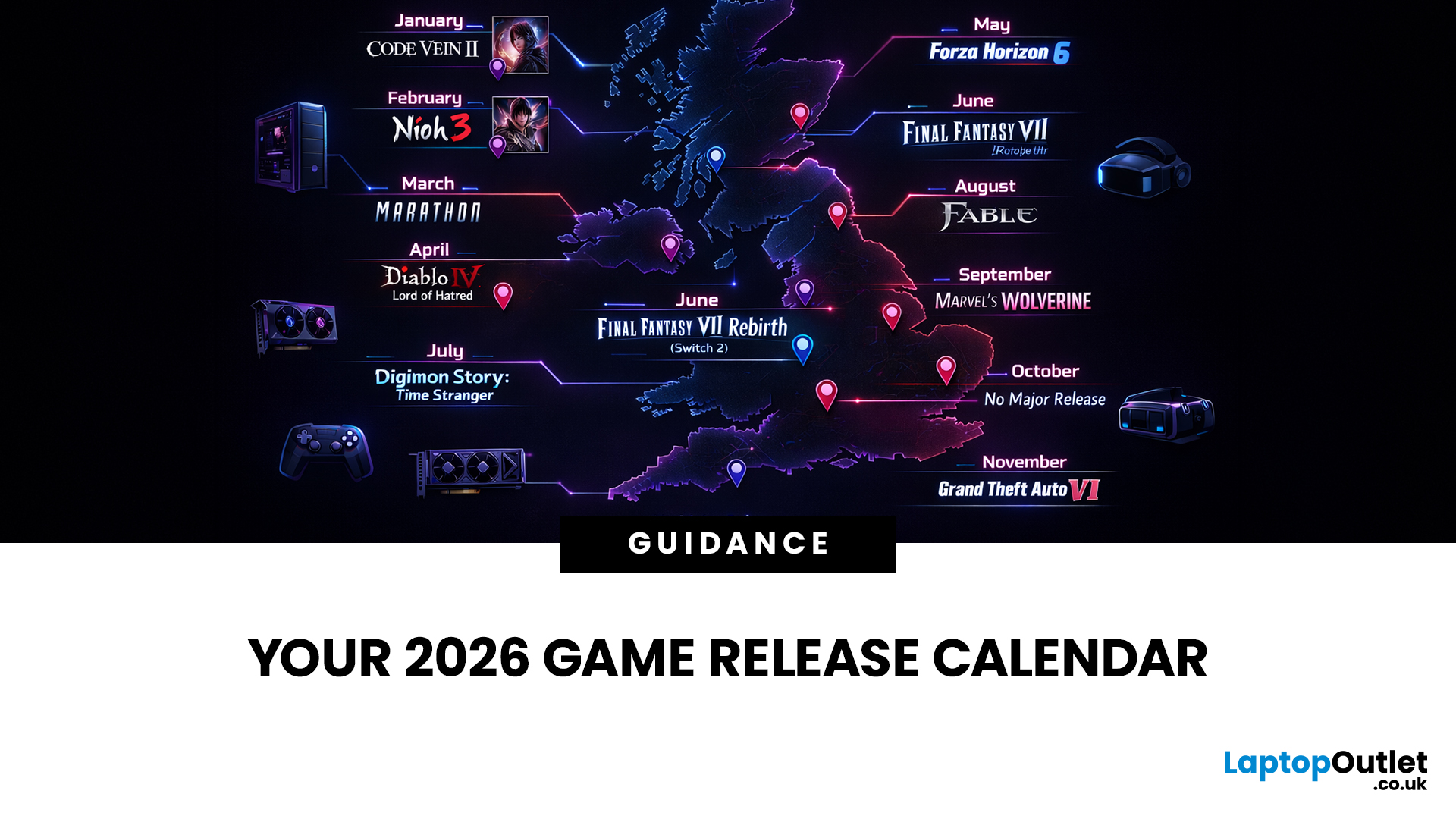


Upcoming Xbox Games In 2026 What To Play Next Year Game Releases Full Calendar Release Dates Main . Gaming Esports Conferences 2026 Vendelux Gaming Esports Conferences 2026.webp. Top 10 Most Anticipated Games Of 2026 What To Watch Out For TVN GAMES IN 2026 . Top 5 New Games You Should Be Streaming In 2026 GETREKT Top 5 Stream 2026 6bdddd73 9416 444e Bc3c