Navigating the world of gaming PC motherboards can feel overwhelming, especially for busy gamers balancing work and life. This comprehensive guide helps you understand how to choose a motherboard for your gaming PC in 2026, ensuring optimal performance, value for money, and future compatibility. We cover essential considerations like CPU sockets, form factors, RAM support, PCIe slots for graphics cards and NVMe SSDs, and vital I/O ports. Our insights are tailored for the average US gamer, aged around 36, who values relaxation, skill-building, and social play but needs practical, budget-friendly advice. Avoid common setup issues and performance bottlenecks by learning what truly matters in a motherboard, allowing you to optimize your gaming experience without unnecessary hype. Get ready to make an informed decision and build a stable, powerful gaming rig that keeps you immersed in your favorite titles.
Related games- Guide BackdoorEXE Roblox Discord Explained
- Guide to Roblox Online Studio: Create & Monetize Games
- Guide GTA 5 Animal Plant Locations Peyote Power
What is the most important factor when choosing a gaming motherboard?
The most important factor is CPU compatibility, specifically the socket type (e.g., AM5 for AMD Ryzen 7000 series, LGA 1700 for Intel 12th-14th Gen). This ensures your chosen processor physically fits and can communicate with the motherboard. After that, consider the chipset, RAM support (DDR5 in 2026), and PCIe generation for your GPU and NVMe SSDs to ensure optimal performance.
How much should I spend on a gaming motherboard for a mid-range PC?
For a solid mid-range gaming PC in 2026, expect to spend between $150 and $250 on a motherboard. This price point typically gets you a board with modern features like 2.5GbE LAN, Wi-Fi 6E, robust VRMs for stable performance, and adequate PCIe 5.0 support for your graphics card and at least one M.2 SSD, offering excellent value without unnecessary premium features.
Will a new motherboard improve my game FPS directly?
A new motherboard itself does not directly increase FPS like a CPU or GPU upgrade. However, an incompatible or outdated motherboard can *bottleneck* your system, preventing your CPU and GPU from reaching their full potential. Upgrading to a motherboard that fully supports your high-performance CPU, fast DDR5 RAM, and PCIe 5.0 SSDs ensures all components can operate at their peak, leading to smoother gameplay and potentially higher *effective* FPS by eliminating bottlenecks.
What does the motherboard chipset do for gaming?
The motherboard chipset acts as the communication hub, managing data flow between the CPU, RAM, GPU, storage, and peripherals. For gaming, a good chipset provides sufficient PCIe lanes for your GPU and NVMe SSDs, supports fast RAM speeds, enables features like CPU overclocking (on enthusiast chipsets), and ensures robust connectivity options. It defines the capabilities and expansion potential of your entire gaming system.
How important is having multiple M.2 slots on a gaming motherboard?
Multiple M.2 slots are highly important for modern gaming. Large game sizes mean fast NVMe SSD storage fills up quickly. Having at least two, preferably three or more, allows you to dedicate one fast drive for your operating system and essential applications, and separate drives for your extensive game library, ensuring rapid load times and efficient data management without constantly uninstalling games.
Should I prioritize RGB lighting or VRM quality on my gaming motherboard?
Always prioritize VRM quality over RGB lighting. While RGB adds aesthetic flair, a robust VRM (Voltage Regulator Module) is critical for stable power delivery to your CPU, preventing throttling, ensuring consistent performance during intense gaming, and extending component lifespan. Poor VRM can lead to system instability and limit overclocking potential, directly impacting your gaming experience, whereas RGB is purely cosmetic.
What are the latest connectivity features I should look for on a gaming motherboard in 2026?
In 2026, prioritize motherboards with PCIe 5.0 x16 for your graphics card and at least one PCIe 5.0 x4 M.2 slot for primary storage. Also, look for 2.5 Gigabit Ethernet, Wi-Fi 6E or Wi-Fi 7 for cutting-edge wireless performance, and a generous selection of USB ports, including USB 3.2 Gen 2x2 or even USB4 for maximum peripheral compatibility and data transfer speeds. These ensure your system is current and ready for future tech.
Hey fellow gamers! Ever felt that thrill of getting a new CPU or GPU, only to stare blankly at your old motherboard, wondering if it can even keep up? Or maybe you are planning a fresh build, excited about those new AAA titles, but the sheer number of motherboard options feels like a final boss fight you are not ready for. You are not alone. Many of us, balancing careers, families, and life, just want to dive into a game for relaxation, some social fun, or a bit of skill-building, without the headache of hardware woes. We want performance, value, and stability, not endless tech jargon.
Choosing the right motherboard for your gaming PC is often overlooked, yet it is the bedrock of your entire system. It determines what CPU you can use, how much RAM you can install, the speed of your storage, and even how many USB devices you can plug in. A bad choice can lead to frustrating setup issues, performance bottlenecks, and limited upgrade paths down the line. With 87% of US gamers regularly playing and averaging over 10 hours a week, and trends showing continued growth in social gaming and cross-play experiences across mobile and PC, a solid, reliable foundation is more important than ever. This guide is here to cut through the noise, offering practical, no-nonsense advice on how to choose a motherboard for gaming PC that perfectly fits your needs, budget, and busy lifestyle. Let us get you gaming smoothly, efficiently, and without the hassle.
Why is the motherboard so crucial for my gaming PC?
Think of the motherboard as the central nervous system of your gaming PC. It is literally a circuit board that connects and allows communication between all your essential components: the CPU, RAM, GPU, storage drives, and peripherals. Without a compatible and robust motherboard, even the most powerful CPU or graphics card cannot perform at its best. It dictates your upgrade path, the types of ports you have for connecting your headset, mouse, and external drives, and even the stability of your system during intense gaming sessions. A good motherboard ensures everything works harmoniously, preventing bottlenecks and giving you a smooth, responsive gaming experience.
How do I check motherboard CPU compatibility?
This is arguably the most critical step when you want to choose a motherboard for gaming PC. Your CPU and motherboard must share the same socket type. For Intel, current gaming CPUs mostly use LGA 1700 (for 12th, 13th, and 14th Gen chips) or potentially newer sockets coming in 2026. For AMD, you are looking at AM5 for their latest Ryzen 7000 and future generations. Always check the CPU manufacturer's specifications for the required socket type and then match it with the motherboard's socket. BIOS updates are also crucial; sometimes, a newer CPU on an older chipset motherboard requires a BIOS update to function correctly, which might need an older compatible CPU to perform initially. Make sure the motherboard supports BIOS Flashback for easier updates without a CPU.
What motherboard form factor is best for a gaming PC?
Motherboards come in several standard sizes, known as form factors, which directly impact your PC case choice and the number of components you can install. The most common are ATX, Micro-ATX, and Mini-ITX.
ATX: This is the standard size for most gaming PCs. ATX motherboards offer the most expansion slots (typically 2-4 PCIe x16 slots, multiple M.2 slots, and numerous SATA ports), providing ample room for multiple GPUs (though less common now), several NVMe SSDs, and other expansion cards. They also generally have better power delivery (VRM) due to more space for components and heatsinks. Ideal for enthusiasts who want maximum flexibility and cooling potential.
Micro-ATX (mATX): A smaller version of ATX, mATX boards cut down on some expansion slots (usually 1-2 PCIe x16) and sometimes fewer RAM slots or I/O ports. They are a great compromise for budget or space-conscious builders who still want good performance without a massive case. Many modern mATX boards offer excellent features for mainstream gaming.
Mini-ITX (mITX): These are tiny motherboards, perfect for compact, small form factor (SFF) builds. They typically have only one PCIe x16 slot, two RAM slots, and fewer M.2 slots. While they can house powerful gaming components, their limited expansion and potentially tighter thermal management make them more challenging for beginners or those seeking extensive upgrades. Popular for living room gaming PCs or systems that need to be highly portable.
For most gamers looking for a balanced build, ATX offers the best blend of features and upgradeability. If space or budget is a concern, Micro-ATX is a fantastic alternative.
How much RAM support do I need for gaming in 2026?
In 2026, 16GB of DDR4 or, increasingly, DDR5 RAM is the baseline for a smooth gaming experience. However, 32GB is quickly becoming the new sweet spot, especially if you multitask while gaming, stream, or play memory-intensive titles. DDR5 RAM is standard for all new platforms like AMD's AM5 and Intel's latest LGA 1700 refresh and subsequent generations. When choosing a motherboard, ensure it supports the latest DDR5 standards and has at least four RAM slots if you plan to start with 16GB (two 8GB sticks) and upgrade to 32GB (four 8GB or two 16GB sticks) later. Pay attention to the maximum supported RAM speed (MHz) as well, as faster RAM can significantly boost performance, particularly with AMD Ryzen processors.
Which PCIe slots are important for my graphics card and NVMe SSDs?
PCIe (Peripheral Component Interconnect Express) slots are crucial. Your graphics card will occupy the primary PCIe x16 slot. In 2026, many high-end GPUs will utilize **PCIe 5.0 x16**, offering double the bandwidth of PCIe 4.0. While PCIe 4.0 x16 is still more than sufficient for current and even upcoming mid-range GPUs, investing in a motherboard with PCIe 5.0 ensures future compatibility for your next-gen graphics card upgrade.
For storage, NVMe SSDs use PCIe lanes for incredibly fast data transfer. Look for motherboards with at least two, preferably three or more, **M.2 slots**, ideally supporting **PCIe 5.0 x4** for primary boot/game drives and PCIe 4.0 x4 for secondary storage. This provides blazing-fast load times and ample storage expansion, crucial for modern game libraries which easily hit 100GB+ per title. Having multiple M.2 slots allows you to separate your OS drive from your game drive or add more storage without relying on slower SATA SSDs or HDDs.
What I/O ports should I look for on a gaming motherboard?
The Input/Output (I/O) panel is where all your external devices connect. For a gaming PC, prioritize these:
USB Ports: Aim for a mix of USB 3.2 Gen 1 (5Gbps), USB 3.2 Gen 2 (10Gbps), and ideally USB 3.2 Gen 2x2 (20Gbps) or USB4/Thunderbolt for super-fast external storage or high-bandwidth peripherals. Many gamers have multiple devices like mice, keyboards, headsets, webcams, and external drives. At least 6-8 rear USB ports are a good starting point.
Ethernet: A 2.5 Gigabit Ethernet port (2.5GbE) is now standard on most mid-to-high-end gaming motherboards, providing faster and more stable internet connections than 1GbE, crucial for online gaming and large game downloads. Some enthusiast boards even offer 5GbE or 10GbE.
Wi-Fi & Bluetooth: Integrated Wi-Fi 6E or even Wi-Fi 7 (emerging trend) is highly recommended for wireless connectivity, especially if your router supports it. Bluetooth 5.2 or newer is essential for connecting wireless controllers, headsets, and other peripherals without extra dongles. These features offer great convenience for social gaming and keeping your setup tidy.
Audio Jacks: High-quality audio codecs (like Realtek ALC1220 or newer) are desirable, along with standard 3.5mm jacks for headphones and microphones, or optical S/PDIF for external audio systems.
These ports ensure you can connect all your gaming gear, network seamlessly, and enjoy high-fidelity audio.
Is VRM quality important for my gaming motherboard?
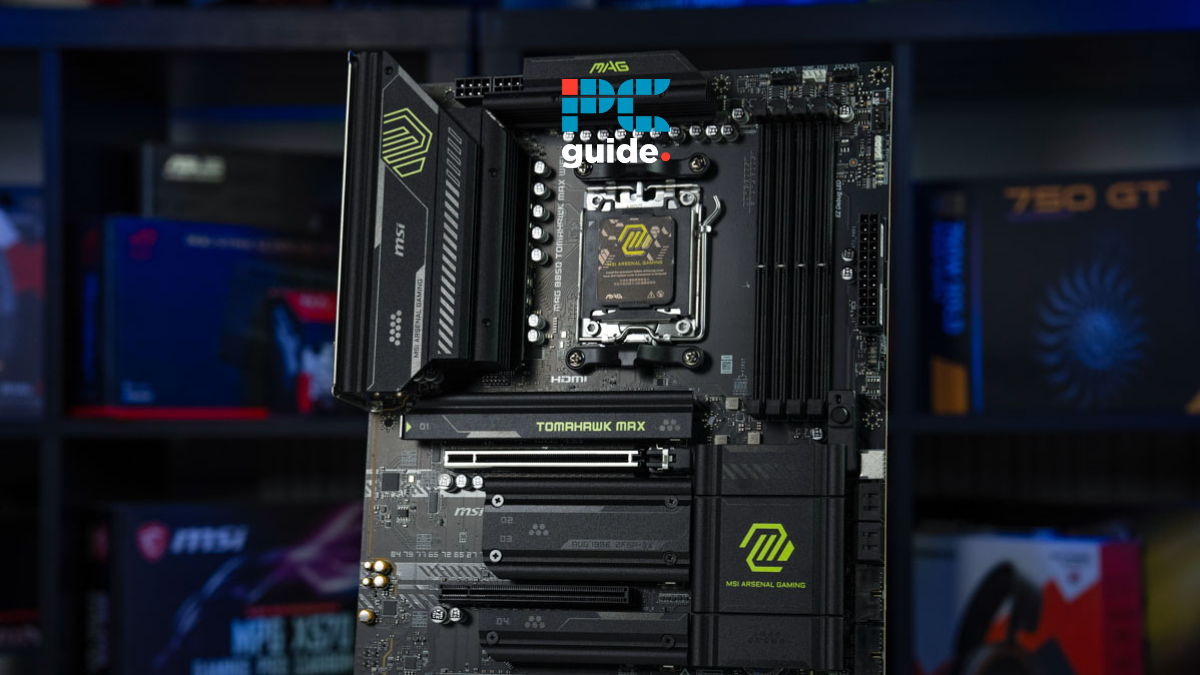
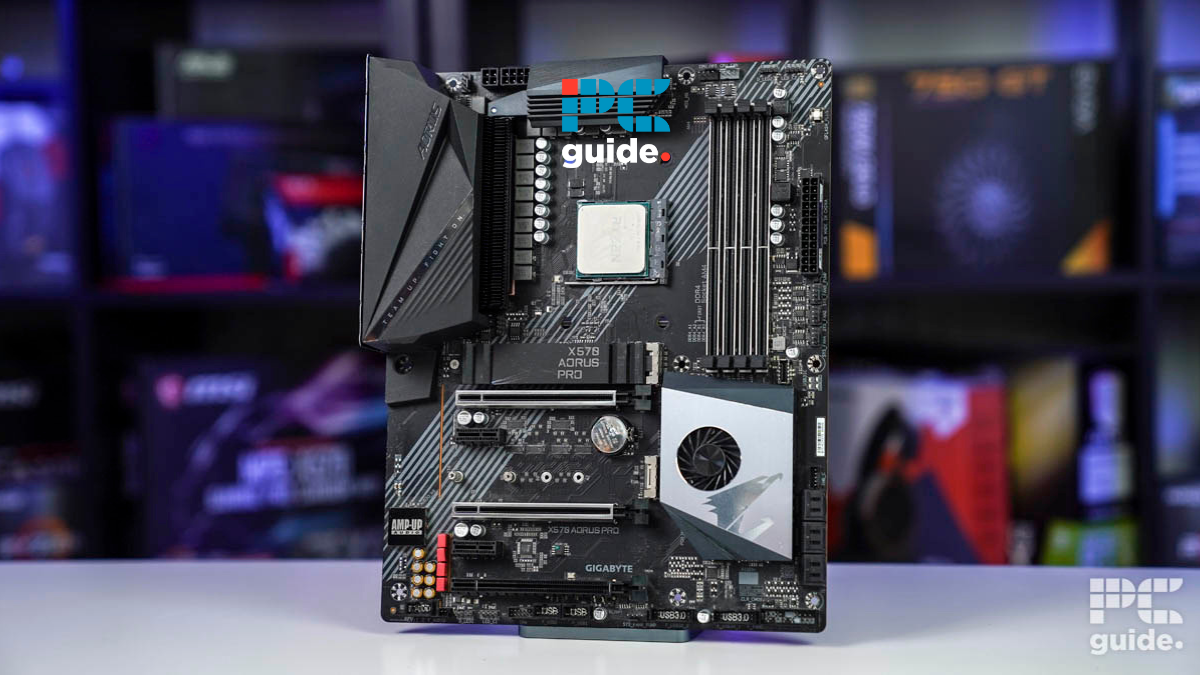
Absolutely! The Voltage Regulator Module (VRM) is responsible for delivering stable power to your CPU. A motherboard with a robust VRM design (more phases, better quality components, larger heatsinks) can deliver cleaner, more consistent power, especially under heavy load during gaming or overclocking. This prevents throttling, improves system stability, and extends the lifespan of your CPU. If you plan on using a high-end CPU (like an Intel Core i7/i9 or AMD Ryzen 7/9) or intend to overclock, prioritizing a motherboard with a strong VRM is non-negotiable. Look for boards with substantial heatsinks covering the VRMs – a visual indicator of a better design.
How do I choose between an Intel and AMD motherboard?
This decision often comes down to your CPU choice, as motherboards are platform-specific. If you pick an Intel CPU, you will need an Intel-compatible motherboard (e.g., Z790, B760 chipsets for LGA 1700). For AMD, you will need an AMD-compatible motherboard (e.g., X670, B650 chipsets for AM5). Both platforms offer excellent gaming performance in 2026, with competitive advantages shifting with each generation. Intel traditionally offers slightly higher single-core performance, which benefits some games, while AMD excels in multi-core tasks and often provides a longer socket lifespan for future CPU upgrades. Research current benchmarks for your specific CPU choice and its gaming performance. The overall platform cost, including the CPU and motherboard, should guide your decision.
What features offer value for money on a gaming motherboard?
Value for money means getting the most impactful features without overspending on things you will not use. Focus on:
CPU Socket & Chipset: Ensure compatibility with your chosen CPU and support for future generations if an upgrade is planned within the same socket.
RAM Slots & Speed: Four DDR5 slots with support for at least 6000MHz+ XMP profiles is a good target.
PCIe 5.0 Support: At least one PCIe 5.0 x16 slot for your GPU and one PCIe 5.0 x4 M.2 slot for primary storage offers excellent future-proofing.
Robust VRM: Essential for stability and performance, especially with high-end CPUs.
Integrated Wi-Fi 6E/7 & 2.5GbE: These modern connectivity options are highly convenient and enhance the online gaming experience.
Sufficient USB Ports: A good mix of fast USB ports is vital for all your peripherals.
BIOS Flashback: A feature that lets you update the BIOS without a CPU, making future CPU upgrades easier.
Avoid paying extra for features like multiple PCIe x16 slots if you only use one GPU, or excessive RGB lighting if aesthetics are not a top priority.
Can I future-proof my gaming motherboard choice?
True future-proofing is tricky in the fast-paced tech world, but you can make smart choices. Opt for the latest CPU socket (like AMD AM5 or Intel's newest generation in 2026), DDR5 RAM support, and motherboards with PCIe 5.0 for both graphics cards and NVMe SSDs. These technologies represent the current and near-future standards. While a motherboard might not last through multiple CPU generations indefinitely, choosing a robust chipset and modern connectivity options will maximize its relevance and upgrade potential for at least 3-5 years. This allows you to upgrade your CPU or GPU without needing an entirely new foundation.
How does my budget impact my motherboard options?
Your budget heavily influences the features and quality you can get when you choose a motherboard for gaming pc. Entry-level motherboards (under $150) will typically offer basic features, fewer USB ports, potentially older Wi-Fi standards, and less robust VRMs. Mid-range boards ($150-$300) hit the sweet spot for most gamers, providing a good balance of modern connectivity (2.5GbE, Wi-Fi 6E), solid VRMs, multiple M.2 slots, and PCIe 5.0 support on some models. High-end motherboards ($300+) are for enthusiasts, offering premium VRMs, advanced cooling, more expansion, extreme overclocking features, and often integrated 5GbE/10GbE or Thunderbolt ports. For the average gamer balancing life and gaming, a mid-range motherboard usually offers the best value, delivering strong performance without breaking the bank for features you might not fully utilize.
What if I am still using an older gaming PC from 2020-2022?
If you are gaming on hardware from a few years ago, say with a DDR4 platform like Intel LGA 1200 or AMD AM4, an upgrade to a newer motherboard means a new CPU and DDR5 RAM too. This is a significant investment. Consider if your current setup still meets your needs for the games you enjoy. If performance is bottlenecked, especially in demanding new titles or during streaming, then upgrading your core platform (CPU, motherboard, RAM) will provide the most significant leap. Otherwise, a GPU upgrade might be a more cost-effective immediate boost on an older, but still capable, platform.
Are integrated graphics on a motherboard good for gaming?
Modern CPUs, especially AMD's Ryzen G-series and all new Intel CPUs, come with integrated graphics. While these are great for basic tasks, media consumption, and even light or older indie games, they are generally not powerful enough for modern AAA gaming at decent settings and resolutions. You will still need a dedicated graphics card for a true gaming PC experience. The integrated graphics on your motherboard are more of a backup or for troubleshooting, not your primary gaming engine.
So, there you have it! Choosing the right motherboard does not have to be a bewildering experience. By focusing on CPU compatibility, form factor, RAM support, PCIe generation, essential I/O ports, and VRM quality, you can make an informed decision that ensures a stable, high-performing gaming rig. Remember, the goal is to build a system that supports your gaming habits without causing headaches or draining your wallet unnecessarily. A well-chosen motherboard means more time enjoying your favorite digital worlds and less time troubleshooting.
What is your biggest gaming challenge when it comes to PC hardware? Comment below!
FAQ Section
Q: Do I need Wi-Fi 6E on my gaming motherboard?
A: While not strictly necessary if you have a wired connection, Wi-Fi 6E provides superior wireless speeds and lower latency, offering a smoother experience for online gaming and downloads, especially if your router supports it. It is a great convenience feature for many gamers.
Q: How many M.2 slots should a gaming motherboard have?
A: For a gaming PC in 2026, aiming for at least two M.2 slots is recommended. One for your primary OS and a few key games, and a second for additional game storage. Three or more offer even greater flexibility as game sizes continue to grow.
Q: Is a cheap motherboard bad for gaming?
A: Not necessarily bad, but a very cheap motherboard often compromises on VRM quality, port selection, and potentially future-proofing features. While it might work, it could limit overclocking, stability with high-end CPUs, and upgrade options, leading to frustration down the line. A mid-range board usually offers better long-term value.
Q: What is the difference between Z-series and B-series Intel chipsets for gaming?
A: Z-series chipsets (e.g., Z790) are premium and allow CPU overclocking, offer more PCIe lanes, and better power delivery, ideal for enthusiasts. B-series chipsets (e.g., B760) are more budget-friendly, generally do not allow CPU overclocking, but still provide solid performance for mainstream gaming and often good connectivity. Most gamers find B-series sufficient unless they plan to push performance limits.
Q: Should I get a motherboard with integrated RGB lighting?
A: Integrated RGB lighting is purely an aesthetic choice. It does not affect performance. If you enjoy customizing your PC's look, it can be a nice touch. However, if you are on a budget or prefer a minimalist look, you can save money by choosing a board without it or using external RGB strips.
CPU compatibility, motherboard form factor, RAM capacity and speed, PCIe generation for GPU and SSD, I/O ports connectivity, VRM quality, budget considerations, future-proofing potential, Intel vs AMD platforms, integrated WiFi and Bluetooth
35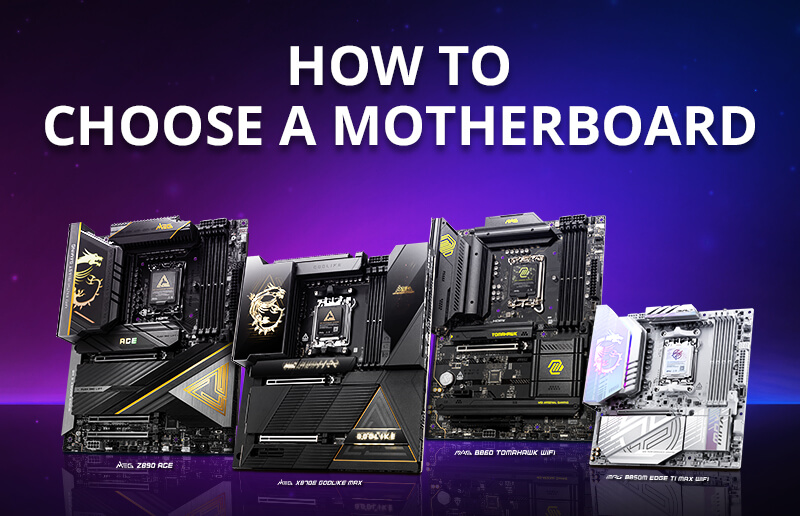


How To Choose A Motherboard Article . Does Motherboard Matter For Gaming Performance Motherboard For Gaming Pcs In 2026.webp. Best For Intel Core I7 12700K In 2026 Our Top Picks PC Best B850 Motherboard . Best For Custom PC Builds In 2026 AMD Intel Buyer S Best For Custom Pc Builds 2026 . How To Choose The Right Motherboard For Gaming 2026 Guide How To Choose The Right Motherboard For Gaming 2026 Guide 1024x576


Best Intel Motherboard For Gaming 2026 LG Gaming PC Guru Best Intel Motherboard For Gaming Featured . 9 Best AM5 Gaming In 2026 Top Am5 Gaming . How To Choose A Motherboard For Gaming PC Mini PCs How To Choose A Motherboard For Gaming PC 1.webp. Choosing The Right Motherboard For Your Gaming PC Best Gaming. Best For Gaming PCs In 2025 Top Picks For Every Budget Right Motherboard Next PC Build Main


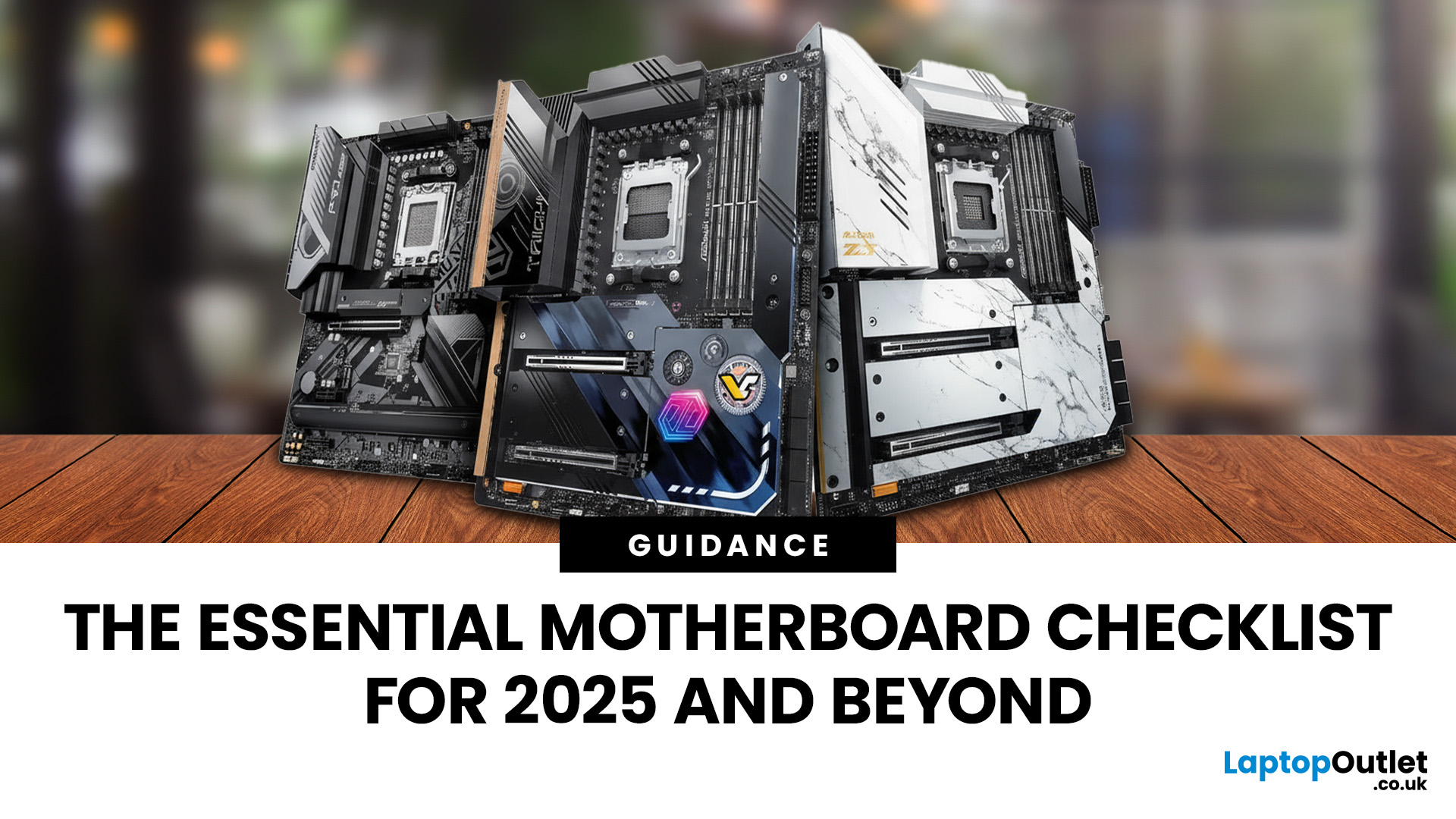
Best Motherboard For Ryzen 7 9850X3D Our Top Picks For The AMD X3D CPU Best AM4 Motherboard . How To Build A Gaming PC 2026 Complete Beginner S Guide Switchblade How To Build Gaming Pc 2026.webp. Cool Gaming PC Cases Guide How To Choose In 2026 . Best For Gaming PCs In 2025 Top Picks For Every Budget Best Gaming PC 2025 Main . Best For Gaming PCs In 2025 Top Picks For Every Budget 2025 Beyond Main

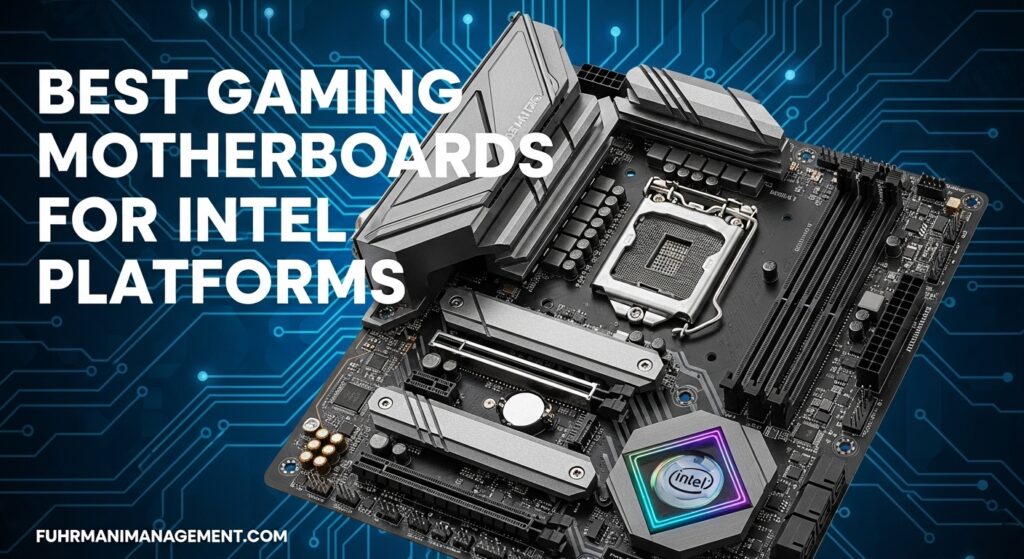


Best Motherboard For Ryzen 9 9950X3D 2026 PC Cores Best Motherboard For Ryzen 9 9950X3D 2025 PCCores.com . 10 Best Gaming For Intel Platforms April 2026 Expert Reviews Best Gaming For Intel Platforms 1024x559 . 2025 How To Choose Motherboard 2025 Banner . 5 Best Gaming For 2026 Ultimate PC Builds YouTube Hqdefault . How To Choose The Best Motherboard For Gaming Buying Guide Gear Up How To Choose The Best Motherboard For Gaming Cover Photo
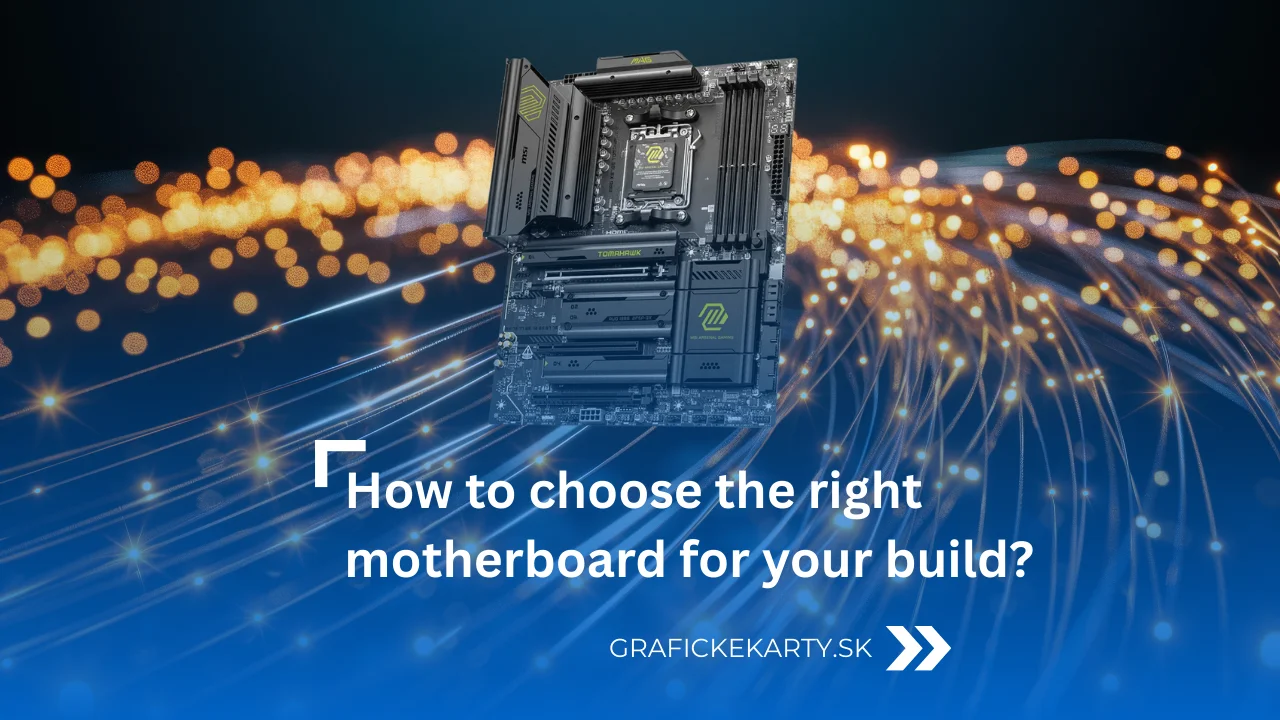


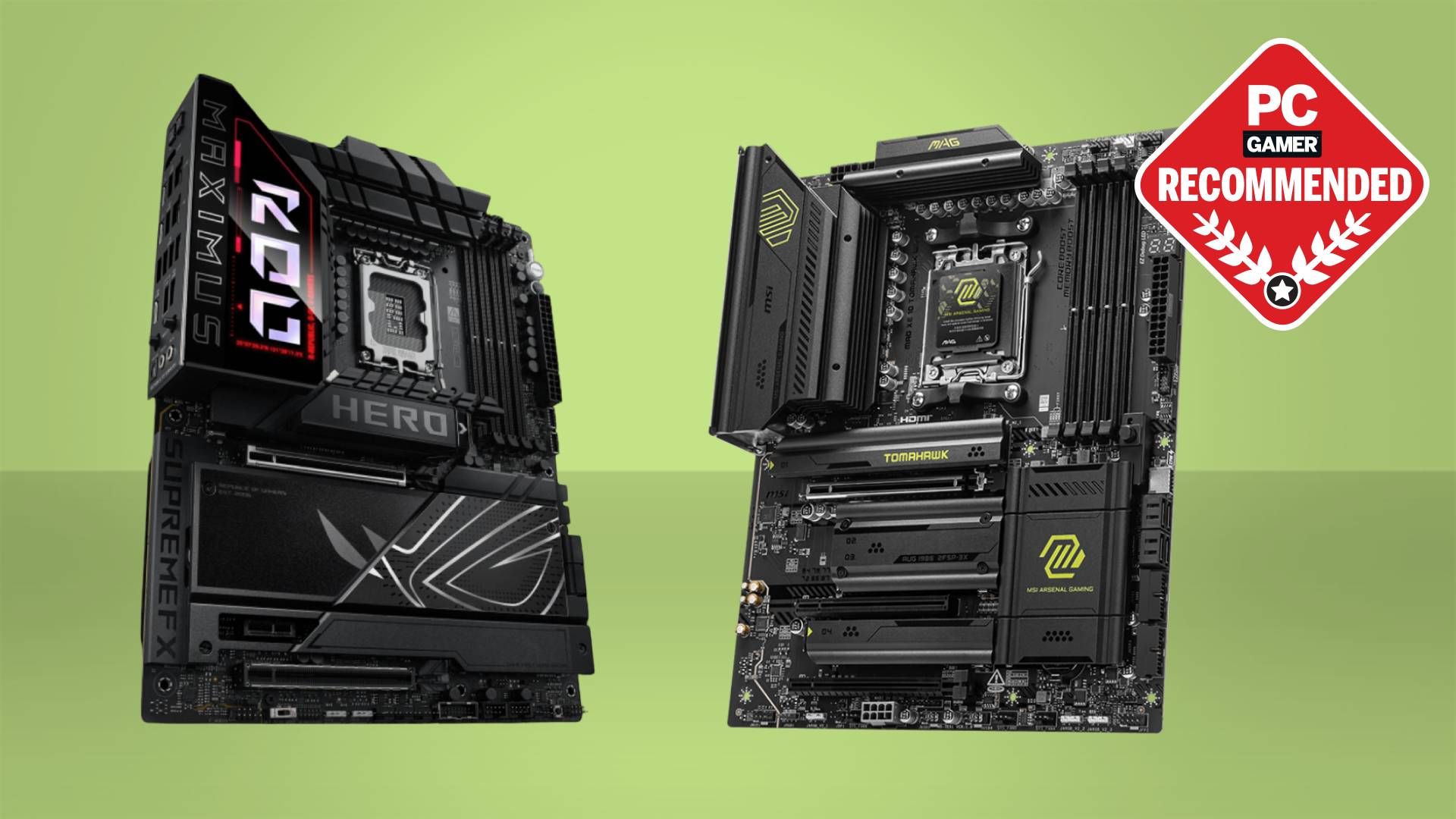

Choosing A Motherboard In 2026 What To Watch Out For Motherboard Hardware En.webp. How To Choose A Motherboard For Your PC 2024 Guide How To Choose A Motherboard . How To Choose Motherboard For Gaming Pc At Tayla Bruton Blog How To Choose A Motherboard For Gaming . Best Gaming In 2026 These Are The AMD And Intel Mobos I D 1920 80 . 7 Best Gaming Of 2026 Top Gaming 2025

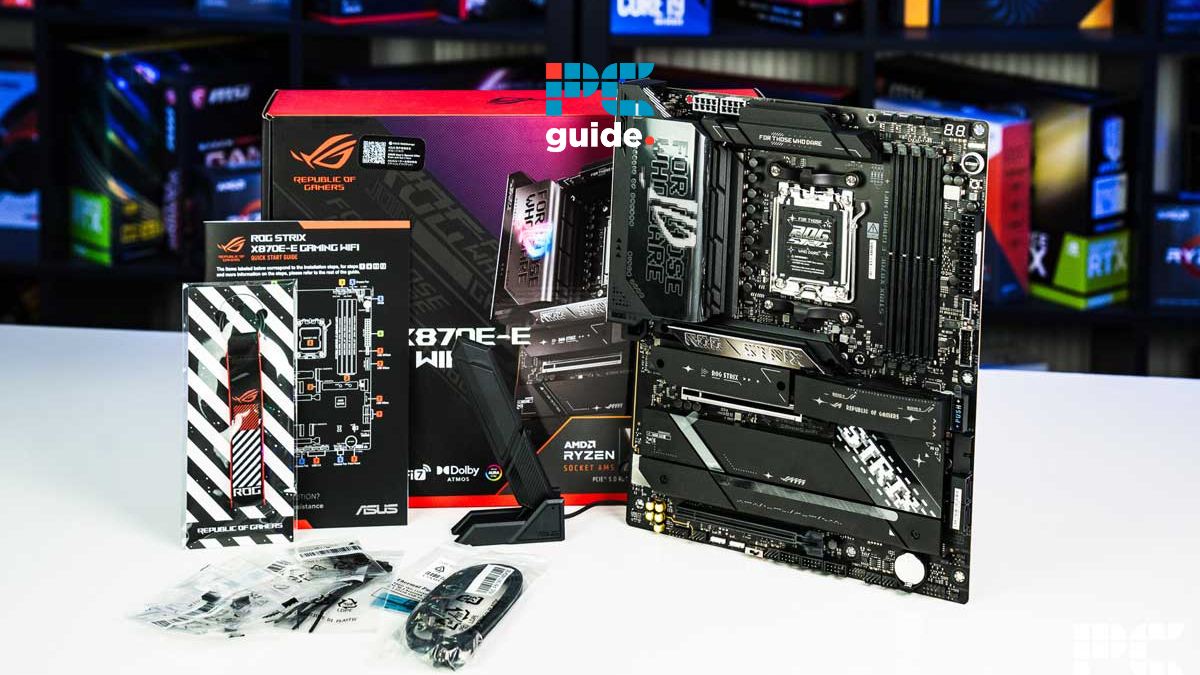


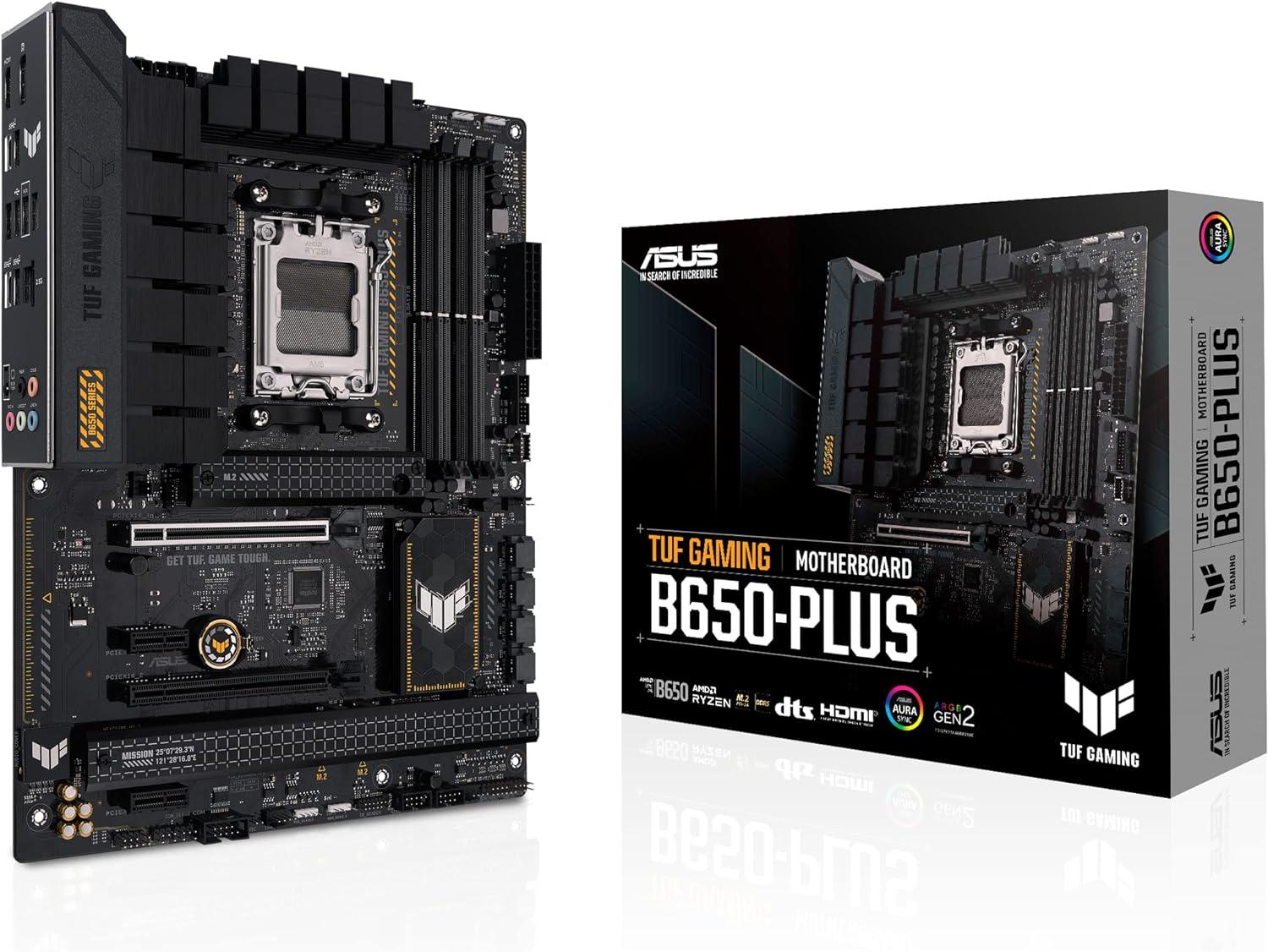
3 Best Motherboard Brands Of 2026 According To Tech Experts Top Motherboard Brands 2025 Kgewb . Best B850 In 2026 Our Top Picks PC Guide Best For Gaming . CES 2026 All Things Gaming MSI Has Announced In CES 2026 Xc MB 03 1024x576 . Best X670 In 2026 PC Guide Best X670 . AMD Gaming How To Choose The Best One For Your PC Placas Base Gaming Amd
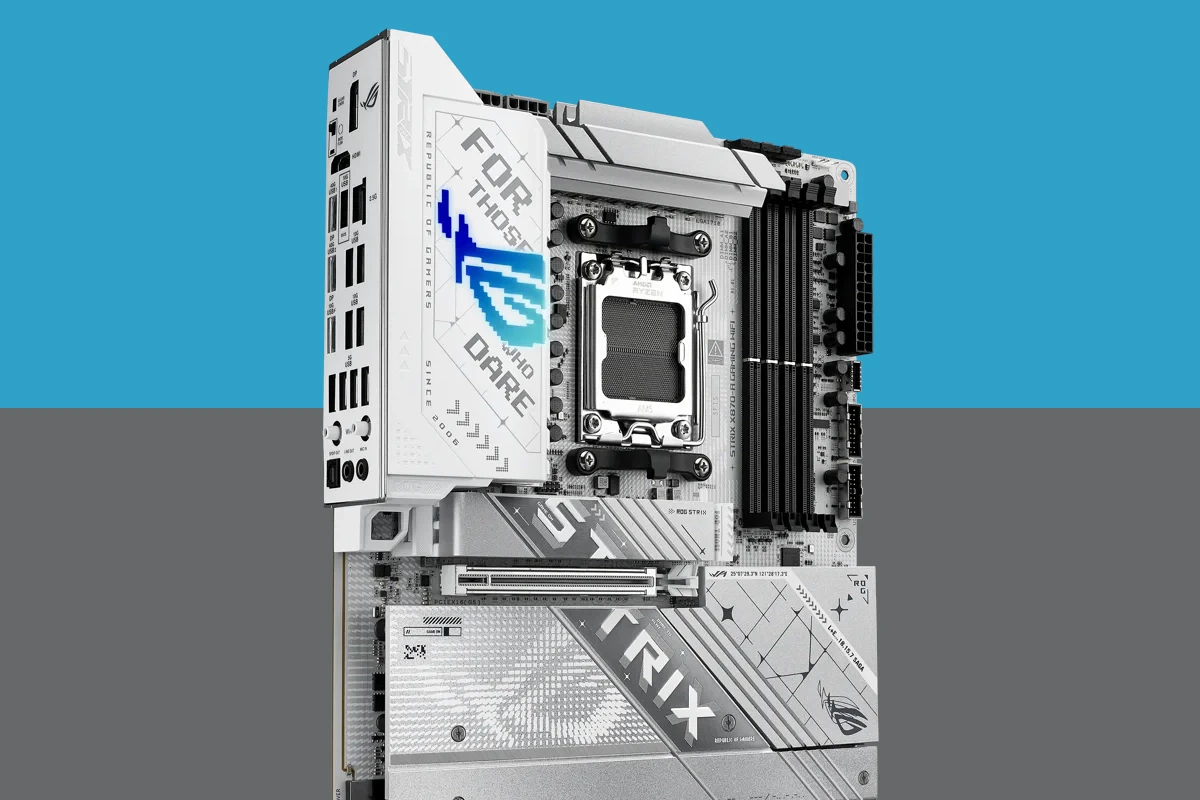

Best For 2026 9meters Best 9800x3d. The Ultimate Guide To Building The Best Gaming PCs For Helldivers 2 How To Choose A Motherboard For A Gaming PC In 2024 Ultimate Guide . How Much Does It Cost To Build A Gaming PC In 2026 Full Budget Guide Best Cooling Pc Gaming 768x384 . ROG Strix Neo Kick Your AMD Gaming PC Into High Gear . How To Choose The Right Motherboard For Your Next PC Build Guide To Selecting The Best RAM For A Custom PC Build