Ever wondered how you can seamlessly share your extensive Steam game library with friends and family without buying multiple copies? The ability to game share on Steam has truly transformed how players access their favorite titles, making it an incredibly popular feature in 2026. This comprehensive guide will walk you through every essential step to set up Steam Family Sharing successfully. We will explore the latest updates and best practices to ensure a smooth, lag-free experience across different devices. Discover how to troubleshoot common issues like FPS drops or stuttering, ensuring optimal performance for all shared games. Learn about the limitations and benefits, empowering you to maximize your gaming experience. This resource is designed for both beginners and seasoned PC users, offering valuable insights into efficient library management and secure sharing protocols. Dive into this informational guide to unlock the full potential of your Steam account today. Mastering Steam Family Sharing provides immense value.
how bto game share steam FAQ 2026 - 50+ Most Asked Questions Answered (Tips, Trick, Guide, How to, Bugs, Builds, Endgame)
Welcome, fellow gamers, to the ultimate living FAQ for Steam Family Sharing in 2026! Has the latest Steam patch left you with more questions than answers about sharing your digital treasures? You've come to the right place. We know the world of game sharing can sometimes feel like a labyrinth, with new updates, subtle changes, and unexpected quirks cropping up. That's why we've meticulously compiled this comprehensive guide, covering everything from basic setup to advanced troubleshooting. Whether you're battling beginner blunders or grappling with complex multiplayer issues, our aim is to demystify the process. Get ready to conquer lag, optimize your FPS, and truly understand the ins and outs of sharing your Steam library. This is your go-to resource, continually updated to reflect the latest 2026 insights, ensuring you and your loved ones enjoy seamless gaming experiences. Dive in and find your answers!
Getting Started: Basic Setup Questions
How do I enable Steam Family Sharing for my library?
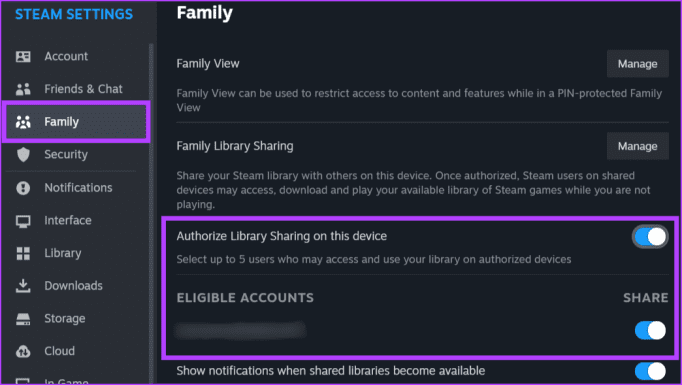
To enable Steam Family Sharing, ensure Steam Guard is active on your account for at least seven days. Then, go to Steam > Settings > Family tab. Check 'Authorize Library Sharing on this computer' and select the specific accounts you wish to share with. This grants them access to your game library from that authorized PC.
What is Steam Guard and why is it required for sharing?
Steam Guard is Valve's two-factor authentication system, crucial for account security. It's required for Family Sharing to protect your library from unauthorized access. Enabling it ensures only trusted devices can utilize your shared games, adding a vital layer of protection.
How many people can I share my Steam library with?
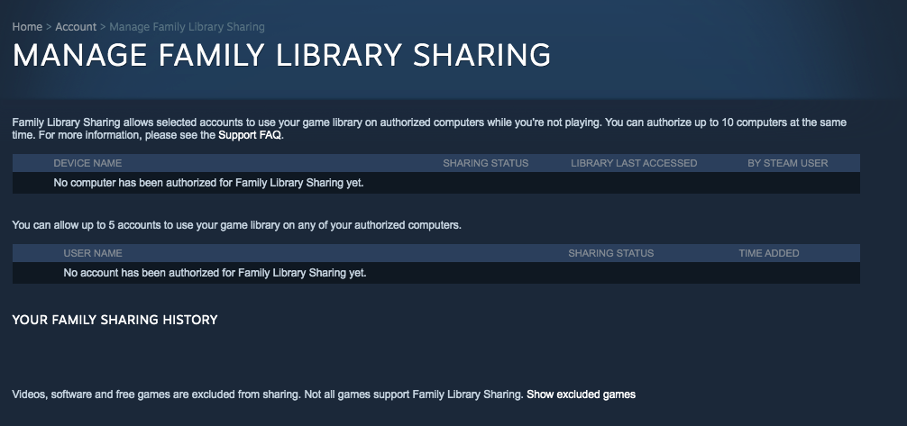
You can authorize your Steam library on up to ten different computers and share it with up to five individual Steam accounts. However, only one person can actively play a game from the shared library at any given time, including the owner. This limit ensures fair usage.
Can I share my games with friends who live in a different country?
Yes, you can share games with friends in different countries, but be aware of potential regional restrictions or censorship. Certain games might be unavailable or have different versions depending on the borrower's region, potentially impacting their access or experience. Always check specific game details.
Understanding Game Eligibility & Limitations
Are all games in my Steam library eligible for Family Sharing?
No, not all Steam games are eligible for Family Sharing. Titles requiring a third-party key, a separate subscription, or another external account (like Uplay or Rockstar Social Club) are often excluded. Free-to-play games and most DLCs typically cannot be shared either.
Can I share game DLCs, season passes, or in-game purchases?
Generally, no. DLCs, season passes, and in-game purchases are usually tied directly to the purchasing account (yours) and are not shared with borrowers. Your friends will only access the base game unless they purchase the additional content for their own accounts.
What happens if a shared game requires a separate launcher?
Games requiring a separate launcher (e.g., Epic Games, GOG, or specific publisher launchers) often cannot be effectively shared. The primary authorization usually rests with that external service, preventing the Steam Family Sharing feature from granting access. These games are typically best owned directly by the player.
Myth vs Reality: Shared games mean infinite free copies!
Myth: Shared games mean infinite free copies for everyone. Reality: Steam Family Sharing allows access to a game when the owner is not playing. It's a loan, not a permanent transfer. Only one person can play the shared library at a time, preventing mass distribution.
Troubleshooting Common Issues
Why is my friend experiencing FPS drops or lag when playing my shared game?
FPS drops or lag in shared games often stem from the borrower's computer specifications, outdated graphics drivers, or an unstable internet connection. Ensure their PC meets the game's minimum requirements and all drivers are updated for optimal performance. Sharing itself does not cause these issues.
My friend can't see my shared games; what should I do?
First, verify that your computer is authorized in your Steam settings under the Family tab and that your friend's account is selected. Ensure both accounts have Steam Guard enabled. Try deauthorizing and re-authorizing the computer, or simply restarting both Steam clients. Check for any game-specific sharing restrictions.
Myth vs Reality: Steam Family Sharing is full of bugs and glitches.
Myth: Steam Family Sharing is inherently buggy. Reality: The system is quite stable, but user-side issues like outdated drivers, network problems, or misunderstandings of its limitations can lead to perceived 'bugs.' Most problems are resolvable through proper setup and troubleshooting.
Performance Optimization & Tips
What are the best tips to optimize performance for shared games?
For optimal performance, advise your friends to update their graphics drivers and operating system. They should also close unnecessary background applications. Ensure their PC meets the game's system requirements. Using a stable wired internet connection can help reduce lag in online titles. Communication about system specs is key.
How can I manage my authorized devices to prevent security issues?
Regularly review and deauthorize any unused or untrusted computers from your Steam Family Sharing settings. This practice minimizes potential security risks. Access this option via Steam > Settings > Family > 'Manage other computers...' Deauthorizing old devices is a crucial proactive security measure.
Security & Account Management
Myth vs Reality: Giving someone access to my shared library means they can hack my account.
Myth: Sharing your library means your account can easily be hacked. Reality: Steam Family Sharing grants access to your *games*, not your account credentials. As long as you keep your Steam Guard active and never share your password, your account remains secure. Trusting the user is still essential.
Multiplayer & Online Gaming with Shared Libraries
Can two people play the same multiplayer game from a shared library at once?
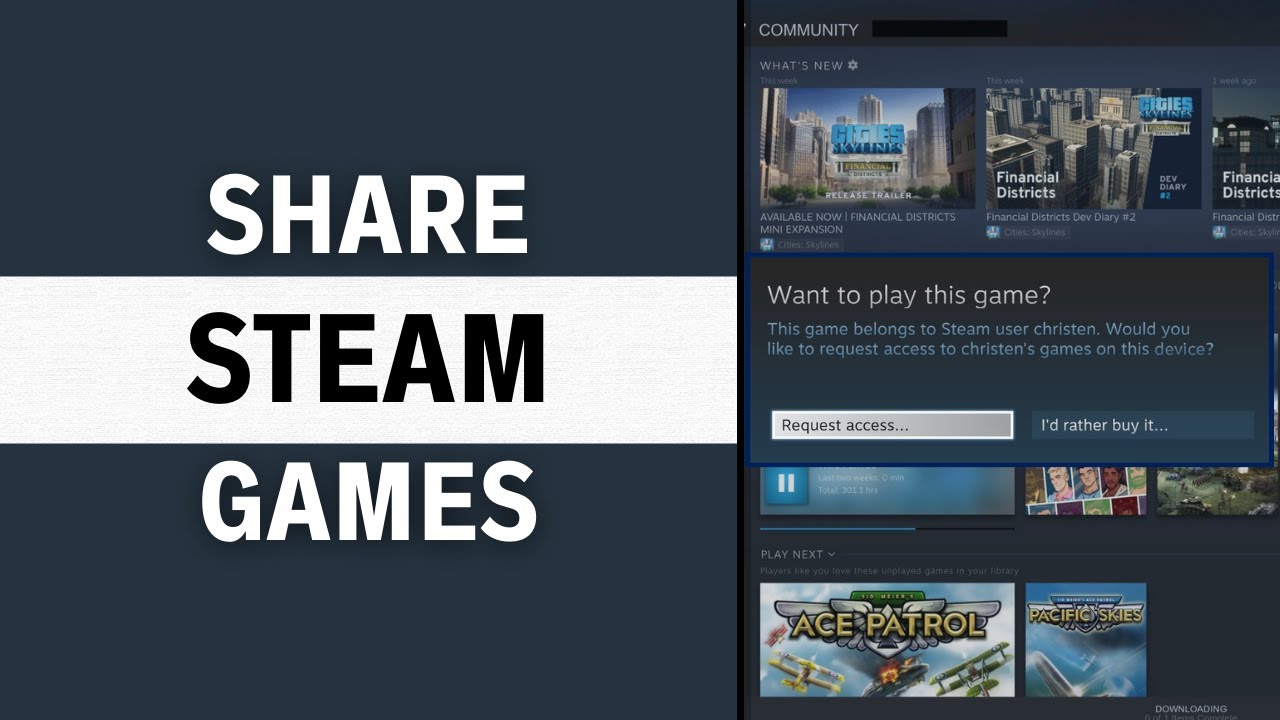
No, two people cannot play the same multiplayer game (or any game) from a shared library simultaneously. The owner always has priority. If the owner starts a game, the borrower's session will be ended. This prevents potential abuse of the sharing feature for concurrent play.
Myth vs Reality: I can join my friend's game using their shared library.
Myth: You can play multiplayer games together if one person is using a shared library. Reality: Only one person can access the library at a time. If you own the game and your friend borrows it, you cannot play together using that single library. Both players need separate licenses for simultaneous multiplayer.
Advanced Use Cases & Future Outlook (2026)
Are there any new 2026 features for Steam Family Sharing on the horizon?
While Valve is typically tight-lipped, rumors for 2026 suggest potential refinements to shared DLC management and more granular control over specific game sharing. Enhanced analytics for game owners to track library usage might also be in development. The focus remains on improving the user experience and security. Stay tuned for official announcements!
Myth vs Reality: Steam Family Sharing will eventually be phased out due to piracy concerns.
Myth: Steam Family Sharing is a temporary feature that Valve will remove. Reality: Family Sharing has been a core feature for years and is unlikely to be removed. It's designed with strict limitations to prevent piracy while still offering genuine value to users. Valve continually balances accessibility with intellectual property protection.
Still have questions?
If you're still scratching your head after all this, don't worry! The world of PC gaming, especially with advanced features, can be complex. Check out our related guides on 'Advanced Steam Troubleshooting' or 'Optimizing Your PC for Gaming Performance' for more in-depth solutions. The Steam Community forums are also an excellent resource for direct peer support and the latest user-found fixes.
Hey gamers, have you ever found yourself asking, "Can I really share my entire Steam library with my buddies and family, and how exactly do I even start that process in 2026?" It's a common question, one that's been buzzing around the community for years, especially with the way digital ownership is evolving. Today, we're diving deep into the fantastic world of Steam Family Sharing, a feature many consider an absolute game-changer. This isn't just about saving a few bucks; it's about sharing the joy of gaming with your community. Imagine your siblings or closest friends finally getting to experience that epic RPG you've been raving about, or jumping into a competitive MOBA without needing their own copy. It's a reality now, and it's surprisingly straightforward to set up, but there are always those little tricks that make all the difference. We're here to ensure your sharing experience is smooth as butter, no annoying FPS drops or stuttering allowed. Let's get you and your loved ones connected!
Beginner / Core Concepts
1. **Q:** How do I enable Steam Family Sharing for my friends or family?**A:** I get why this confuses so many people when they first look for it! Enabling Steam Family Sharing is pretty straightforward once you know exactly where to click. You'll need to authorize specific computers and users directly through your Steam client's settings. This process allows your trusted friends or family members to access and play games from your library when you're not actively using it. Think of it as lending a physical game disc, but digitally and with much more convenient control. By 2026, Steam's interface has become even more intuitive, making this setup quicker. Just ensure you're logged into Steam on the computer you want to authorize for sharing. Once that machine is authorized, others can log into their own Steam accounts on that same device. They will then see your shared games available to install and play from their own library. It's a fantastic way to spread gaming enjoyment. Remember, only one person can play games from a shared library at any given time. If you start a game, their session will politely pause. You've totally got this setup under control!
2. **Q:** Can I share all my Steam games, or are there some limitations?
**A:** This is a super common question, and it's important to set expectations correctly. While most Steam games are eligible for Family Sharing, not all titles can be shared unfortunately. Games that require a third-party key, a separate subscription, or a different external account (like Uplay or Rockstar Social Club) are often excluded from sharing. Free-to-play games are also generally not shareable since they're already free, and certain DLCs typically remain linked to the owner's account. This rule prevents potential exploitation and upholds publisher agreements. Always check the specific game's store page or support articles for definitive sharing eligibility. It's usually clear if a game has these kinds of restrictions. For instance, many competitive online games, especially those with anti-cheat software, might have sharing limitations to prevent account farming or unfair play. Don't worry, the vast majority of your single-player gems and many multiplayer titles will be ready to share!
3. **Q:** What exactly is Steam Guard, and why do I need it for Family Sharing?
**A:** Ah, Steam Guard! It's your digital bodyguard for your Steam account, and honestly, you absolutely need it. Steam Guard is Steam's two-factor authentication system designed to protect your account from unauthorized access. When enabled, every time you log into Steam from an unrecognized device, you'll need to enter a special code. This code is sent to your email or generated by the Steam mobile app, depending on your setup preferences. For Family Sharing, Steam Guard is a mandatory security feature because you're essentially granting access to your valuable game library to other computers. It prevents bad actors from exploiting the sharing feature by gaining access to an unauthorized device. Without Steam Guard enabled on your account for at least 7 days, the Family Sharing option simply won't appear as available. It's a crucial layer of security, safeguarding your games and personal information. Think of it as putting a super strong lock on your digital vault. It might add an extra step sometimes, but it’s totally worth it for peace of mind. Give it a try, it's super easy to set up!
4. **Q:** How many friends or family members can I share my Steam library with?
**A:** This is a great practical question for anyone looking to expand their sharing circle! Steam Family Sharing allows you to authorize your library on up to ten different computers. Furthermore, you can grant sharing access to up to five individual Steam accounts on those authorized machines. This means you can have a pretty decent network of trusted friends or family members enjoying your games. It’s important to remember that these are limits on concurrent authorization, not necessarily concurrent play. The primary rule always holds: only one person can be actively playing a game from your shared library at any given moment, and you, the owner, always have priority. If you decide to play a game, anyone else using your library will get a polite notification to either buy the game or exit their session. It's a generous system designed for personal use, not for setting up a digital arcade. Make sure you only share with people you truly trust, as they will have access to your installed games. You'll master this in no time!
Intermediate / Practical & Production
5. **Q:** What happens if I want to play a game while someone else is using my shared library?**A:** This used to trip me up too, wondering about priority! The good news is, you, as the library owner, always have absolute priority. If someone is playing a game from your shared library and you decide to start *any* game from your library (even a different one), their session will gracefully pause. The user borrowing your game will receive a notification giving them a few minutes to either save their progress and exit, or purchase the game themselves if they want to continue playing immediately. If they don't respond, their game will automatically close. This system ensures that your access to your own games is never interrupted. It's a fair and clear rule that prevents any awkward standoffs over game time. So, don't hesitate to jump into your own library whenever you feel like it. It's your collection, after all! This seamless transfer of control makes the whole sharing process incredibly user-friendly for everyone involved.
6. **Q:** How can I deauthorize a computer or an account from my shared library?
**A:** It’s super smart to know how to manage your authorizations, especially for security reasons! Deauthorizing a computer or an account from your shared library is a simple yet crucial maintenance step. You'll want to navigate to your Steam client's settings, then head over to the 'Family' tab. In this section, you'll see a button that says 'Manage other computers...' or something similar. Clicking this will bring up a list of all computers currently authorized to access your library. From there, you can easily click 'Revoke' next to any machine you no longer wish to share with. This is especially useful if you've logged into Steam on a public computer or a friend's old PC you no longer visit. Similarly, if you want to remove an account's access, you can manage it from the same 'Family' tab. Regularly reviewing and revoking access from unused or untrusted devices is a fantastic security practice in 2026. It keeps your digital assets safe and sound, just like changing your passwords periodically. You're thinking like a pro already!
7. **Q:** Can shared games affect my computer's performance, like causing FPS drops?
**A:** This is a really insightful question, and yes, indirectly, they can. While sharing itself doesn't inherently cause FPS drops, the *act* of playing games, whether shared or owned, always depends on the guest computer's hardware. If your friend is playing a demanding AAA title from your library on a machine with outdated graphics drivers, insufficient RAM, or a weaker CPU, they're definitely going to experience FPS drops, stuttering, and potential lag. This isn't a problem with the sharing feature; it's a hardware and optimization issue on their end. A key tip for 2026: both you and your shared users should always ensure your graphics drivers are up-to-date and your operating system is patched. Also, make sure no unnecessary background applications are hogging resources. Sometimes, a simple restart of Steam or the entire computer can resolve minor performance glitches. Encourage your friends to check their own system settings. You'd be surprised how much difference a little local optimization can make!
8. **Q:** Do game saves and achievements sync for users playing my shared games?
**A:** This is where the magic of Steam accounts really shines, and I'm happy to tell you, yes, they absolutely do! When a friend or family member plays a game from your shared library, all their game progress, including saves and achievements, is tied directly to *their own Steam account*. It's a really smart design decision by Valve. This means they won't interfere with your saves, and their accomplishments are truly their own. They'll earn achievements under their Steam profile, and their save files will be stored separately, often utilizing Steam Cloud Save if the game supports it. This ensures a personalized experience for each borrower, treating it almost as if they owned the game themselves. So, you don't need to worry about someone overwriting your 100-hour Elden Ring save file! This individual progress tracking is a huge part of what makes Steam Family Sharing so practical and user-friendly for everyone. It's a win-win situation!
9. **Q:** What about DLCs and in-game purchases? Are they shared?
**A:** This is a tricky one, and it's a common point of confusion. Generally, the answer is *no*, DLCs and in-game purchases (like microtransactions or season passes) are typically *not* shared through Steam Family Sharing. These items are usually tied directly to the purchasing account, which is yours as the library owner. So, while your friend might be able to play the base game, they likely won't have access to your fancy skins, extra characters, or expansion content unless they purchase those specific DLCs or items for their own account. There are occasional exceptions, especially with older games or specific types of DLC, but it's rare. This policy is in place to protect the value of in-game purchases and publisher revenue. It's a reality check on the generosity of the sharing feature. So, if your friend really wants to experience that new RPG expansion, they might need to buy it themselves. It's a minor limitation, but important to remember when setting expectations.
10. **Q:** Can I share a game that requires a third-party launcher like Rockstar Games Launcher?
**A:** Oh, this is a classic intermediate dilemma, and it's a great question because it highlights one of the major limitations of Steam Family Sharing. Unfortunately, for games that absolutely require a third-party launcher and a separate account (think titles like Grand Theft Auto V with the Rockstar Games Launcher, or some older Ubisoft games with Uplay), sharing often doesn't work. The problem is that the game's authorization often happens on the *third-party platform*, not just through Steam. Even if Steam allows the game to be technically shared, your friend will likely be prompted to log into *your* third-party account, which is a big security no-no, or they simply won't be able to access the game without owning it on that external service. Steam Family Sharing is designed primarily for Steam-native games. So, if a game demands a separate account login outside of Steam, it's generally a safe bet that it won't be shareable in a practical or secure way. Always proceed with caution if you encounter such a game, and maybe look into alternatives for those specific titles. It's a bummer, I know, but it's how the systems are designed.
Advanced / Research & Frontier 2026
11. **Q:** Are there any security risks I should be aware of when using Steam Family Sharing?**A:** Absolutely, security is paramount in 2026, and it's wise to be vigilant. While Steam's system is robust, there are always inherent risks when you share account access, even indirectly. The primary risk comes from authorizing a computer that isn't truly secure or is used by someone you don't completely trust. If that authorized machine gets compromised, or if the borrower's Steam account gets hacked, it could potentially expose vulnerabilities. Valve has strict rules against sharing your *actual* account credentials, but allowing library access still requires trust. Always ensure Steam Guard is active on your account; it’s non-negotiable for security. Regularly review and deauthorize any computers or accounts that you no longer implicitly trust or that are no longer actively using your library. Think of it like lending your car keys; you want to know who has them. Also, be wary of phishing attempts targeting your shared friends, as a compromised borrower could be a weak link. Stay smart, stay secure! Your digital assets are worth protecting.
12. **Q:** How do regional restrictions or censorship laws impact shared games in 2026?
**A:** This is a really advanced and nuanced point that many players overlook! Regional restrictions and local censorship laws can indeed impact shared games, especially as digital borders become more complex in 2026. If a game is banned or heavily censored in the region where your friend lives, even if it's available in your region, they might not be able to access or play the shared version. Steam's backend often checks the IP address and regional settings of the *borrower's* account and device. This can lead to situations where a game simply won't launch, or it might launch a censored version different from what you own. Furthermore, currency differences for in-game purchases in shared titles can also cause issues. While Family Sharing generally tries to be seamless, these geopolitical factors can throw a wrench into the works. It’s a complex area influenced by global digital rights and local regulations. Always be aware of potential regional disparities if your friends are in different countries. It's a good reality check on the global nature of gaming.
13. **Q:** Can I use Steam Family Sharing to bypass playtime restrictions or regional pricing?
**A:** This is definitely in the
Unlock Steam game sharing for friends and family; Learn 2026 setup steps for Family Sharing; Troubleshoot common sharing issues like lag; Optimize shared game performance (FPS, stuttering); Understand sharing limitations and benefits; Secure your Steam account during sharing; Discover efficient library management tips for PC.
35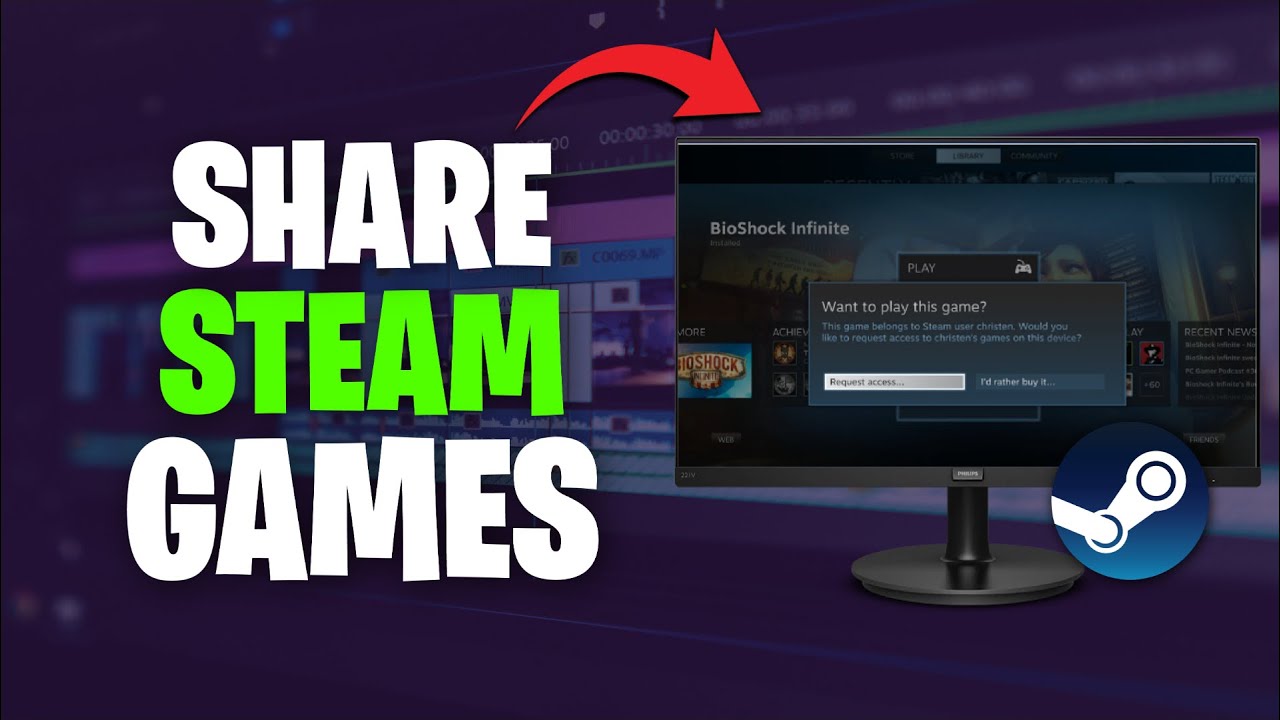



How To Share Games On Steam With Steam Family 2026 Guide YouTube . How To Share Games On Steam 2026 Steam Family YouTube . How To Game Share On Steam Steam Family Library Sharing Easy Guide . How Can You Share Games On Steam With Friends How Share Games Steam . How Can You Share Steam Games With Your Friends Easily
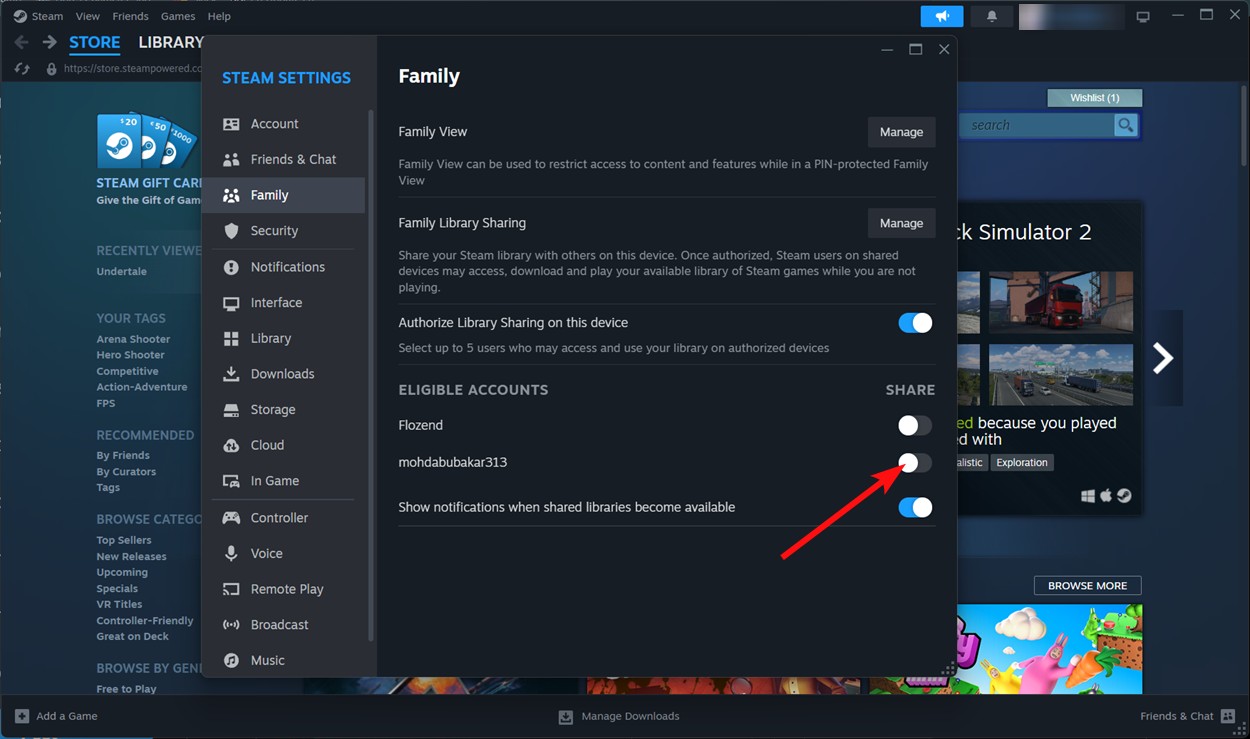


:max_bytes(150000):strip_icc()/A2-ShareGamesonSteam-annotated-a1ba8f230df443db94a7be5654e92cb9.jpg)

How To Share Games Using Steam Family Sharing Beebom Share Library . How To Share Games On Steam Full Tutorial YouTube . How To Share Games On Steam Steam Family Sharing YouTube . How Can You Share Steam Games With Your Friends Easily A2 Annotated . How Can You Share Steam Games With Your Friends Easily Hero

How To Share Games On Steam With Steam Family Sharing In 2026 How To Share Games On Steam With Steam Family Sharing . How To Share Steam Games And Play Together 2026 Step By Step YouTube . How To Share Steam Games The Best Guide How To Share Steam Games 960x502 . How Can You Share Steam Games With Your Friends Easily . How Can You Share Steam Games With Your Friends Easily Steam Force Other To Quit Game In Shared Account How Steam Handles Game Conflicts In Family Sharing 1536x864

:max_bytes(150000):strip_icc()/002-share-games-on-steam-4163650-228c5d3f36c141afa7552f36965e57c5.jpg)


How To Share Games Using Steam Family Sharing Beebom Family Sharing Option Settings . How Can You Share Steam Games With Your Friends Easily 002 Share Games On Steam 4163650 . Simple Ways To Share Steam Games With Family And Friends 7 Steps Share Steam Games With Family And Friends Step 7 . How To Share Games On Steam Full Guide YouTube . How To Game Share Your Library On STEAM To Another Account Or PC


Steam Family Sharing Easily Share Games With Steam IONOS Steam Family Library . How To Share A Game On Steam With A Friend 2026 YouTube . How To Share Games On Steam Tech Advisor How To Share Games On Steam . How To Share Games On Steam 2026 Step By Step Guide YouTube . How Can You Share Steam Games With Your Friends Easily Steam Share Games



How To Share Games On Steam With Your Friends Sharing Games With Friends On Steam . How To Game Share Steam 2026 FAST GUIDE YouTube . How Can You Share Steam Games With Your Friends Easily How To Share Games On Steam . How To Share Games On Steam 2026 Step By Step YouTube . How Can You Share Steam Games With Your Friends Easily Steam Sharing Games With Friends



How To Share Games On Steam With Friends And Family Guiding Tech Go To The Family Tab Enable Authorize Library Sharing On This Device And Toggle On The Switch Next Your Friend Name 682x385 . How To Share Steam Games With Family And Friends How To Share Steam Games With Family And Friends 4.webp. How To Share Games On Steam 2025 Steam Family Sharing YouTube . Steam Revenue Share Explained The Complete Guide For Game Developers Infographic Steam Revenue Share Explained Breakdown . How Can You Share Steam Games With Your Friends Easily