Are you a busy gamer juggling work and family, looking to maximize your limited playtime? Understanding how fast an SSD should be for gaming is crucial for seamless experiences and quick load times. This guide cuts through the hype to provide practical insights for US gamers, focusing on performance, value, and real-world impact. We explore the differences between SATA, NVMe, and various PCIe generations, helping you make informed decisions without breaking the bank. Discover how SSD speed affects everything from game loading to texture streaming, ensuring you spend less time waiting and more time enjoying your favorite titles. We'll also cover common pain points like budget upgrades and balancing performance with real-life commitments, making sure your gaming setup truly enhances your relaxation and fun.
How much faster is NVMe than SATA for gaming?
NVMe SSDs are significantly faster than SATA SSDs for gaming. While SATA drives max out around 550 MB/s, PCIe Gen3 NVMe SSDs offer speeds up to 3,500 MB/s, and Gen4 drives push this to 7,000 MB/s. This results in drastically reduced game load times and smoother texture streaming, especially in modern, demanding titles.
Is a 2TB NVMe SSD overkill for gaming?
A 2TB NVMe SSD is not overkill for gaming in 2026; in fact, it is an excellent choice for most dedicated gamers. With modern games often exceeding 100GB, 2TB provides ample space for a substantial game library without constant management, ensuring you have your favorite titles ready to play instantly.
Does SSD speed affect FPS in games?
No, SSD speed does not directly affect your Frames Per Second (FPS) during gameplay. FPS is primarily determined by your graphics card (GPU) and processor (CPU). However, a faster SSD improves overall game fluidity by reducing load times, minimizing stutter from asset streaming, and making the entire gaming experience feel more responsive.
What are the best value SSDs for gaming right now?
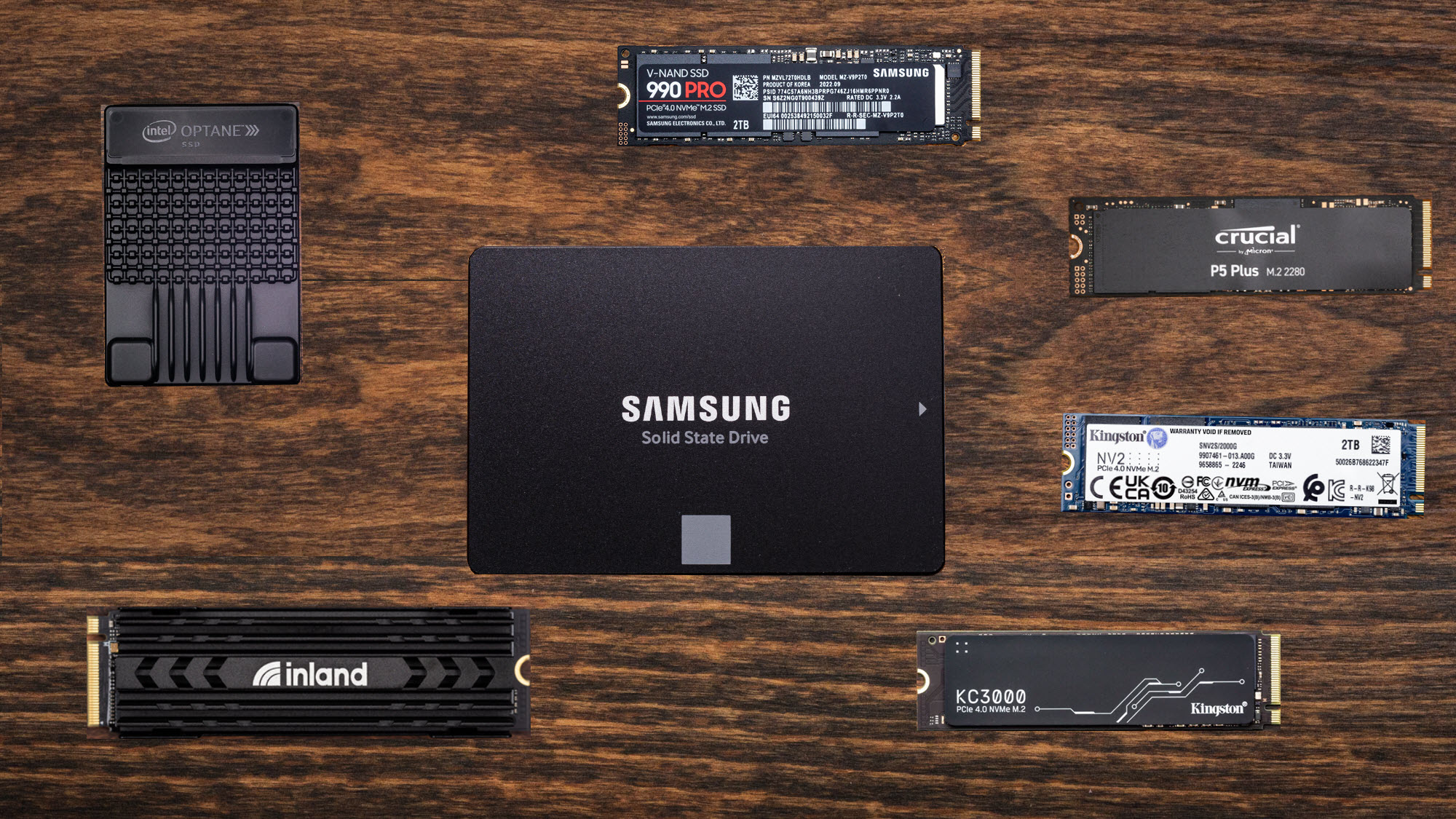
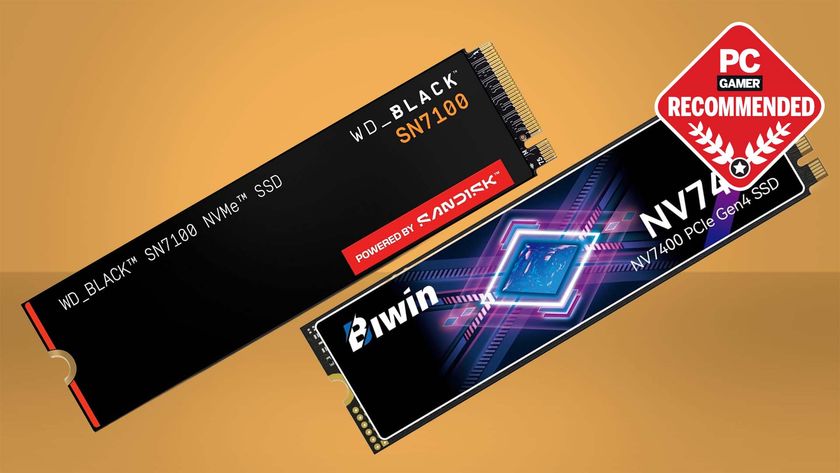
For best value in 2026, PCIe Gen4 NVMe SSDs like the Crucial P5 Plus, WD Black SN770, or Kingston KC3000 offer excellent performance at competitive prices. These drives provide a substantial speed upgrade over Gen3 without the premium cost of cutting-edge Gen5 drives, hitting a sweet spot for budget-conscious gamers.
Should I upgrade my old gaming PC with a new NVMe SSD?
Upgrading an older gaming PC with a new NVMe SSD is one of the most impactful upgrades you can make, assuming your motherboard has an M.2 slot that supports NVMe. It will dramatically reduce boot times, game load times, and overall system responsiveness, breathing new life into your machine and making your gaming sessions far more enjoyable.
How can I check my current SSD speed for gaming?
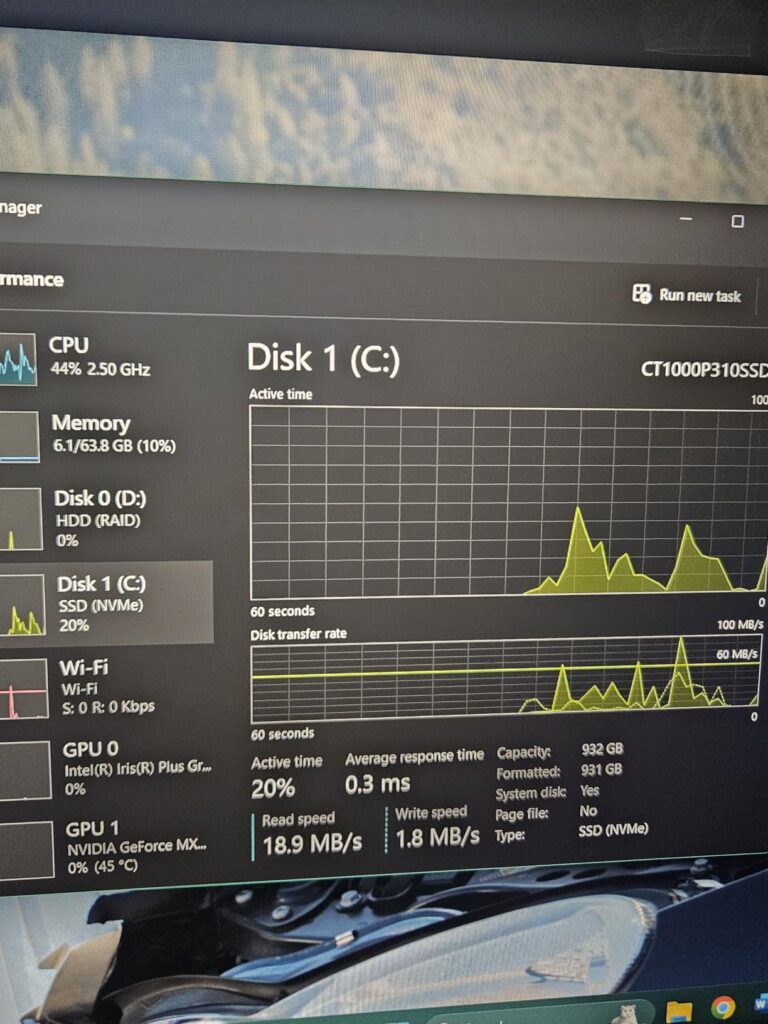
You can check your current SSD speed using benchmarking tools like CrystalDiskMark or ATTO Disk Benchmark. These free utilities perform read and write tests, providing you with sequential and random speed numbers. This helps you understand your current performance and whether an upgrade would yield significant benefits for your gaming experience.
Will a faster SSD prevent in-game stutter or lag?
A faster SSD can help prevent stutter or lag that is specifically caused by slow asset loading or texture streaming, especially in open-world games or titles that dynamically load content. However, it will not fix stutter caused by an underpowered CPU or GPU, insufficient RAM, or poor internet connection for online games. It addresses storage-related performance bottlenecks.
Hey fellow gamers! If you are anything like me, you are balancing a career, family, and a million other things, but still crave that precious time to dive into your favorite virtual worlds. The last thing you want is to spend half your limited gaming session staring at loading screens. We are not just playing games; we are unwinding, connecting with friends, or maybe even sharpening a skill. That is where the question of how fast an SSD should be for gaming becomes critical. It is not just about raw numbers; it is about enhancing your precious gaming moments.
For many US gamers today, averaging over 10 hours a week, with a significant portion enjoying social play and even mobile cross-play, every second counts. You want to jump straight into the action of your current favorite title, whether it is a cozy co-op experience, a competitive shooter, or a vast open-world RPG. We are going to cut through the jargon and get straight to what matters for your gaming setup, helping you make smart upgrade choices that deliver real-world benefits without emptying your wallet.
What is the real impact of SSD speed on gaming performance?
The impact of SSD speed on gaming is primarily felt in load times and texture streaming. A faster SSD drastically reduces the time it takes for games to launch, levels to load, and assets to stream in. While a super-fast SSD will not directly boost your frames per second (that is more about your GPU and CPU), it significantly improves the overall fluidity and responsiveness of your gaming experience. For open-world games with massive environments and high-resolution textures, a quick SSD minimizes pop-in and ensures a smoother visual experience as you move through the world. Think of it as opening the door to the game faster and making sure everything inside is ready when you are.
SATA vs. NVMe SSDs: Which is truly faster for gaming?
When it comes to speed, NVMe SSDs, especially those using the PCIe interface, are unequivocally faster than SATA SSDs. SATA SSDs generally max out at around 550 MB/s, which is still a massive improvement over traditional HDDs. However, NVMe SSDs can achieve speeds upwards of 3,500 MB/s for PCIe Gen3 and even 7,000 MB/s for PCIe Gen4, with Gen5 pushing into the 10,000 MB/s to 14,000 MB/s range. For gaming, this means NVMe drives can load large game files and textures much quicker. While the difference might not always be revolutionary for every single game, especially older titles, modern games designed with DirectStorage (on PC) and console architecture in mind will increasingly leverage these extreme speeds for near-instantaneous loading and dynamic world streaming. For a new build or a significant upgrade, NVMe is the clear winner for future-proofing your gaming setup.
Do I need a PCIe Gen 4 or Gen 5 SSD for optimal gaming?
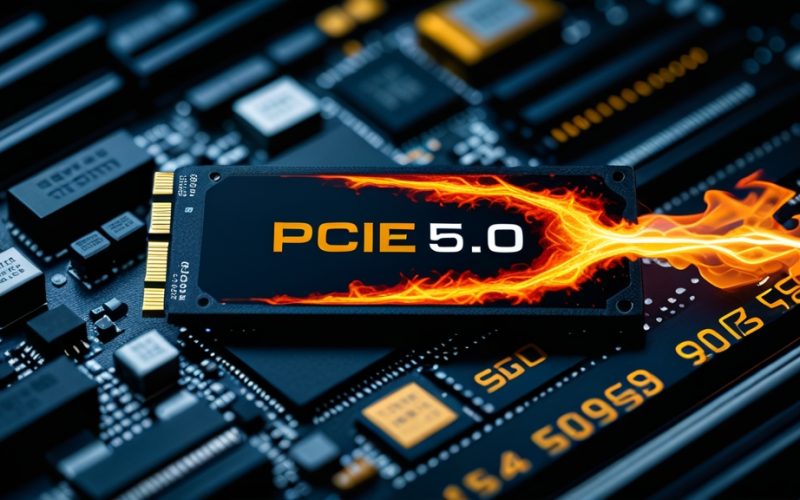
For most gamers today, a PCIe Gen 4 NVMe SSD offers an excellent balance of performance and value. These drives deliver read/write speeds of up to 7,000 MB/s, which is more than sufficient for current game loads and even next-gen titles. While PCIe Gen 5 SSDs are hitting the market with incredible speeds (upwards of 10,000 MB/s), the real-world gaming benefits over Gen 4 are often marginal right now. The technology that fully leverages Gen 5's immense bandwidth, like DirectStorage, is still maturing. Unless you are building an absolute top-tier system with a cutting-edge motherboard and CPU that natively support Gen 5, or if you are doing heavy content creation alongside gaming, a good PCIe Gen 4 drive is the sweet spot. It offers phenomenal speed without the premium price tag of the newest generation, allowing you to allocate budget to other components like a better GPU.
Is upgrading my SSD worth it for older games?
Yes, even for older games, upgrading to an SSD is absolutely worth it, especially if you are currently using a traditional HDD. While older games may not fully utilize the extreme speeds of NVMe drives, any SSD (even a basic SATA one) will dramatically improve their load times compared to an HDD. This means less waiting at splash screens and level transitions. For games that were bottlenecks by slow storage, you will notice a snappier experience. If you are replacing an HDD, a SATA SSD provides the most cost-effective performance boost. If you already have a SATA SSD and are wondering about upgrading to NVMe for older games, the impact will be less pronounced but still noticeable for some titles. The biggest gain is definitely ditching that spinning disk for good.
How much storage space do I need for my games in 2026?
In 2026, game sizes continue to be substantial. Many AAA titles now require well over 100 GB, with some exceeding 200 GB. Considering this, a 1TB SSD is generally the minimum recommended for a dedicated gaming rig. This allows you to install several major titles simultaneously without constantly uninstalling and reinstalling. However, for serious gamers who play a wide variety of games, including newer releases, competitive multiplayer titles, and a few open-world behemoths, a 2TB NVMe SSD is often the ideal sweet spot. It provides ample space for your main game library and ensures you are not struggling with storage management. If budget allows, 4TB is a luxury that removes almost all storage concerns. Remember, you can always supplement your primary fast SSD with a larger, slower SATA SSD or even an HDD for less frequently played games or media storage.
Can a slower internet connection bottleneck my SSD speed?
No, a slower internet connection cannot directly bottleneck your SSD's read/write speed when it comes to *playing* games. Your SSD's speed dictates how fast files are accessed and loaded from the drive itself. Your internet connection, on the other hand, affects how quickly you can download new games, updates, or stream online content. For example, a super-fast Gen4 NVMe SSD will load a game level instantly, but if your internet is slow, downloading that game update might still take hours. The two operate independently in terms of game execution. However, they are both crucial for the overall gaming experience: a fast SSD for gameplay fluidity, and a fast internet connection for getting new games and smooth online multiplayer.
What about console gaming? Do PS5 and Xbox Series X benefit from faster SSDs?
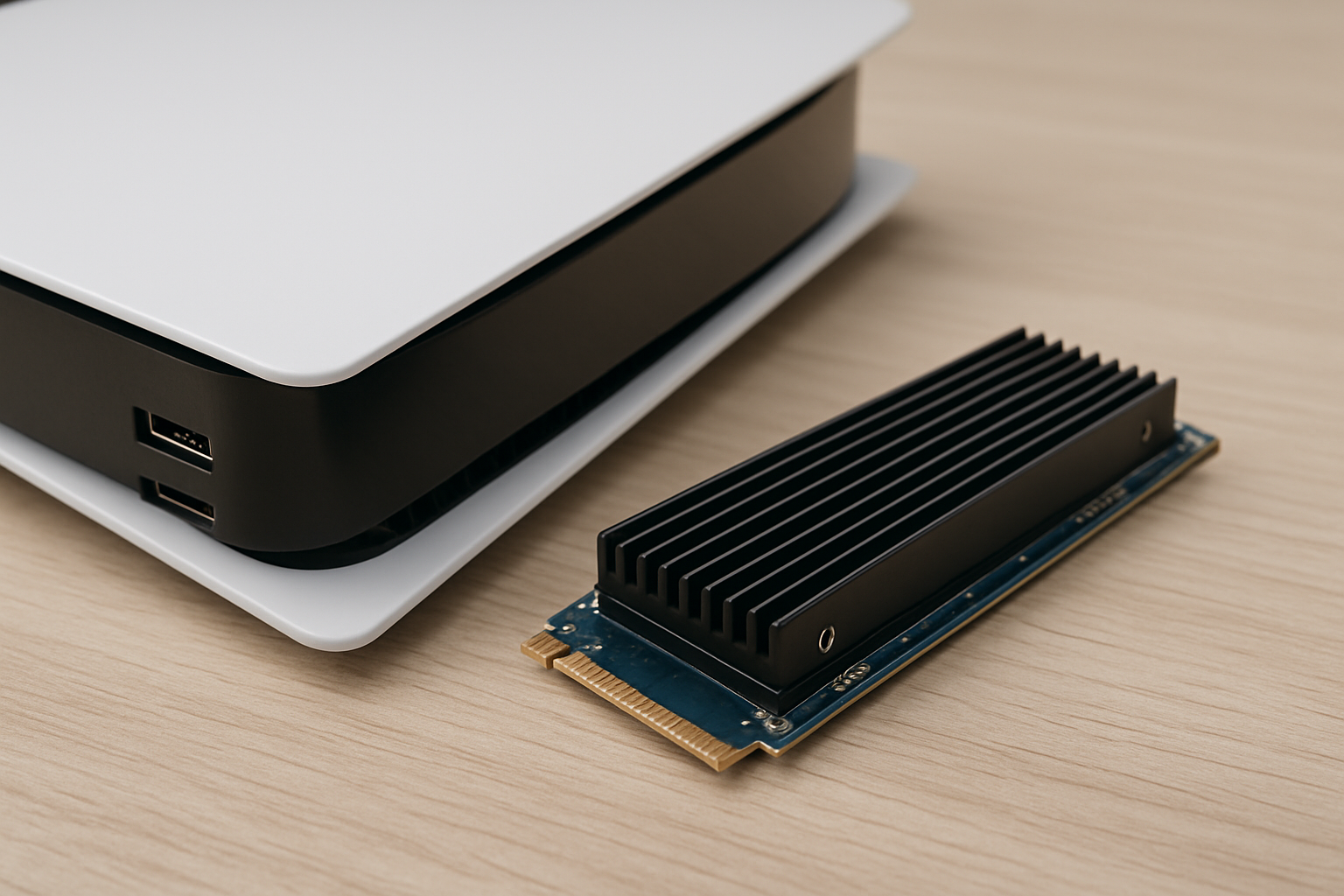
Absolutely! The PlayStation 5 and Xbox Series X/S were designed from the ground up with incredibly fast, custom NVMe SSDs as a core component of their architecture. This is why their load times are so remarkably quick compared to previous generations. The PS5, in particular, leverages a PCIe Gen4 equivalent SSD with a raw throughput of 5.5 GB/s (or 8-9 GB/s compressed), enabling developers to stream assets directly from storage with unprecedented speed. Xbox Series X uses a similarly fast NVMe SSD. For both consoles, this means not only faster loading but also new game design possibilities, such as seamless world transitions and immediate asset streaming that would be impossible on older hardware. For console gamers, the built-in fast SSDs are a game-changer that defines the current generation experience.
How can I choose the best gaming SSD on a budget?
Choosing a gaming SSD on a budget requires smart prioritization. First, always go for an NVMe drive over a SATA one if your motherboard supports it, as the performance jump is substantial for gaming. Look for PCIe Gen3 NVMe SSDs from reputable brands like Crucial, WD, or Samsung. These often provide excellent performance that far outstrips SATA drives at a more approachable price point than the latest Gen5. Aim for a 1TB capacity as a minimum; 500GB can fill up very quickly. Keep an eye out for sales, especially around major holidays. Read reviews that focus on real-world gaming performance, not just synthetic benchmarks. Sometimes, a slightly older generation Gen3 drive from a top-tier manufacturer will outperform a brand-new, budget-tier Gen4 drive from a lesser-known company. Balance speed with endurance and warranty for peace of mind.
Are there specific SSDs trending for gamers right now?
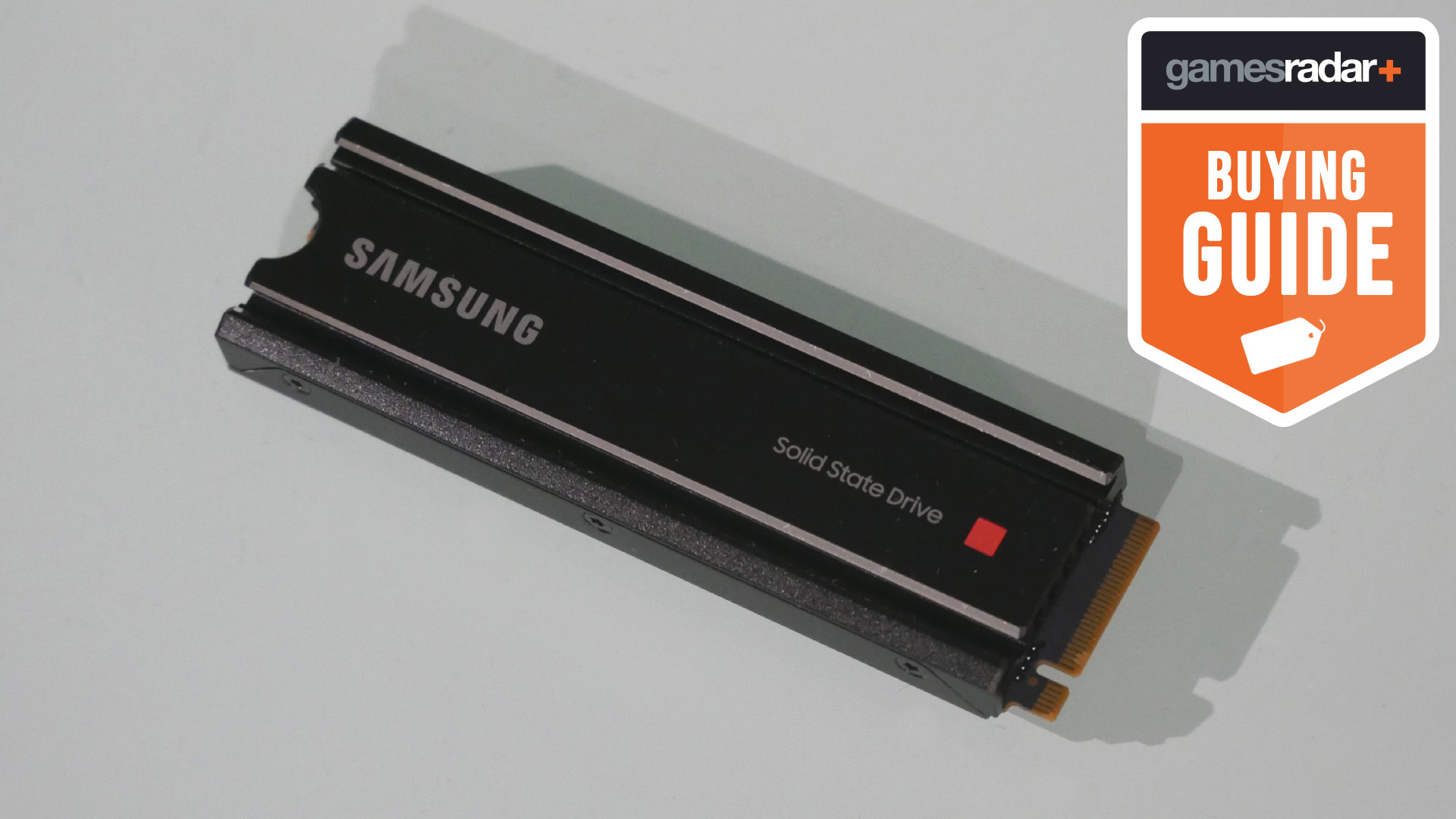
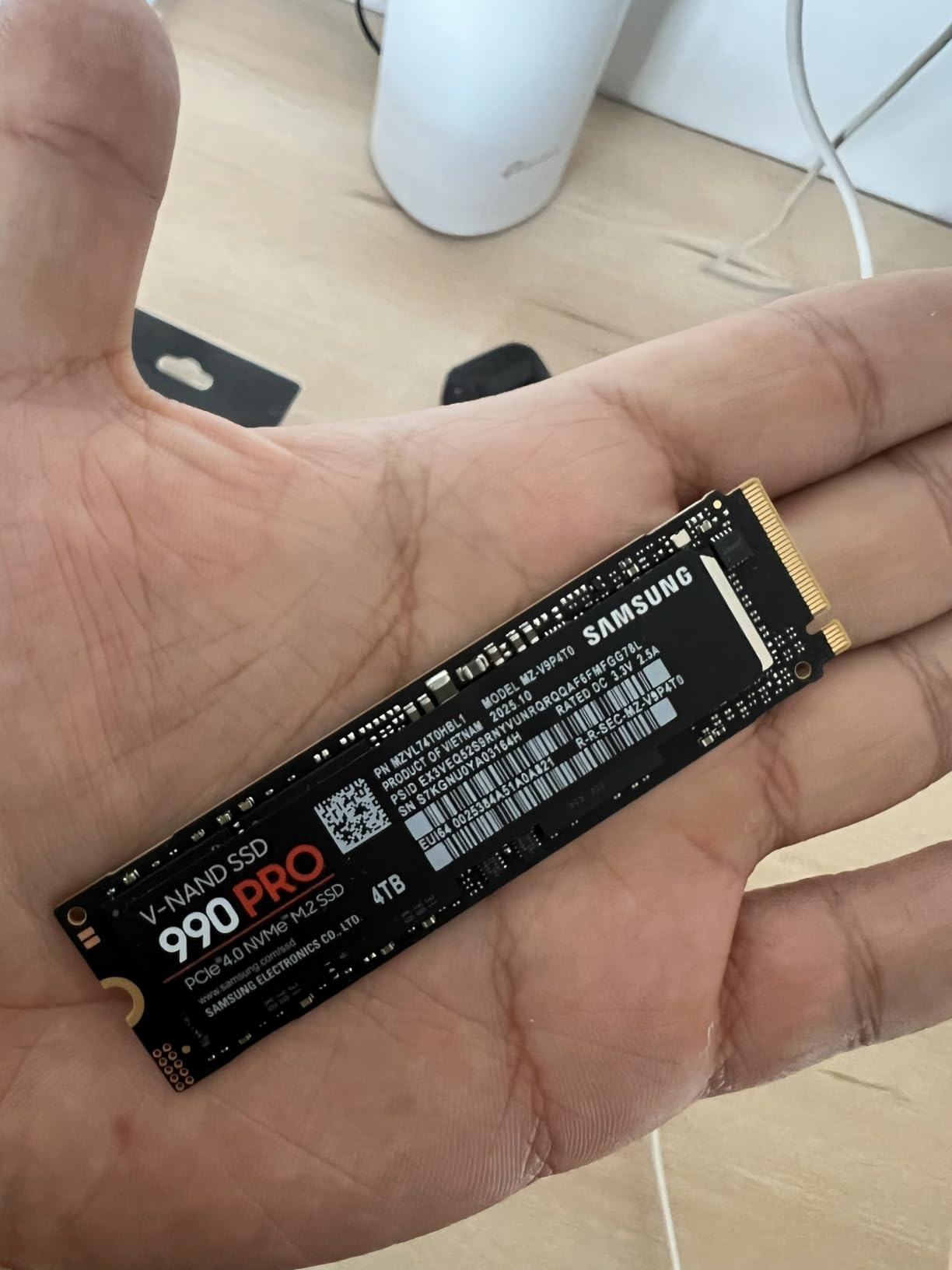
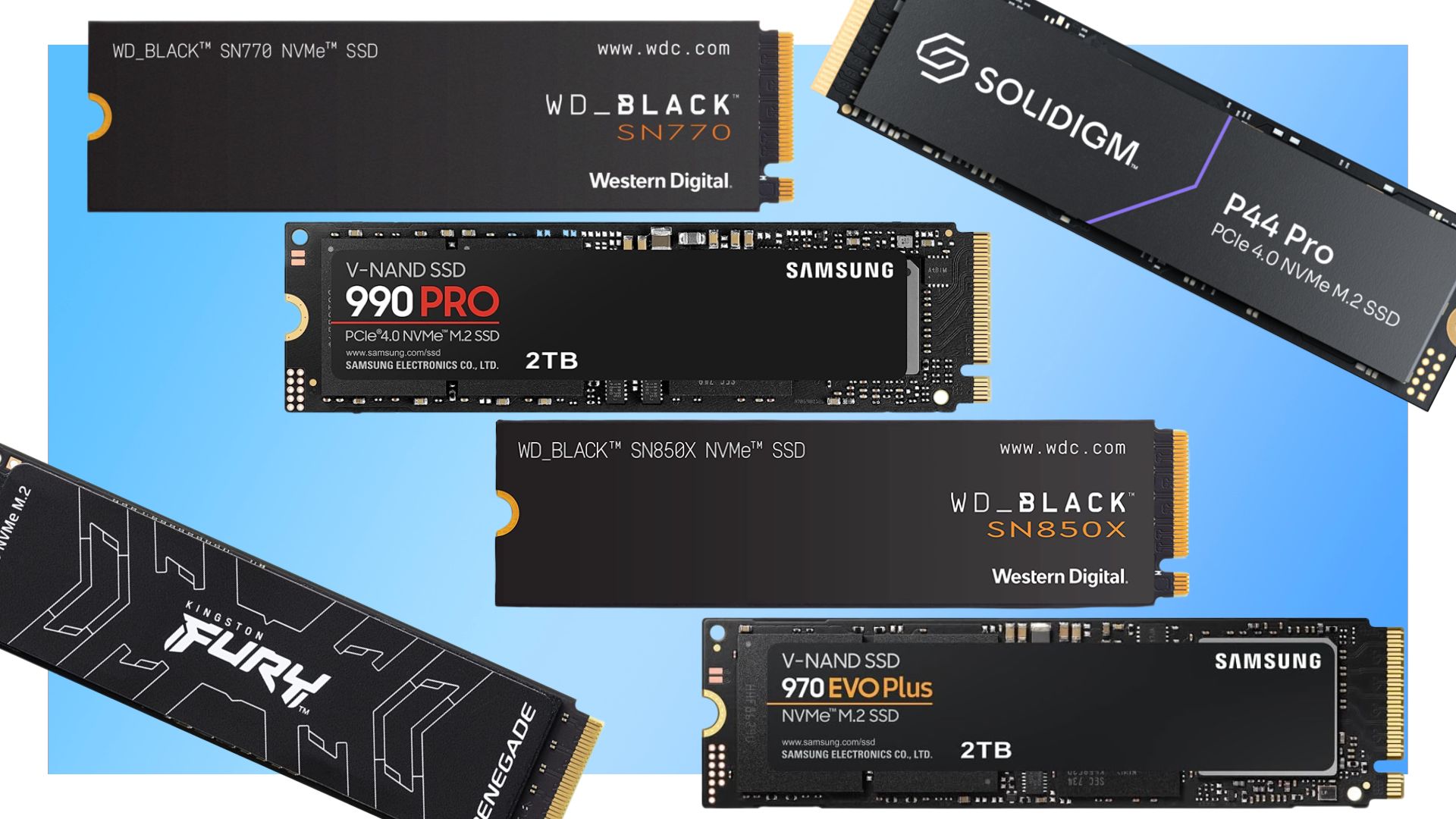
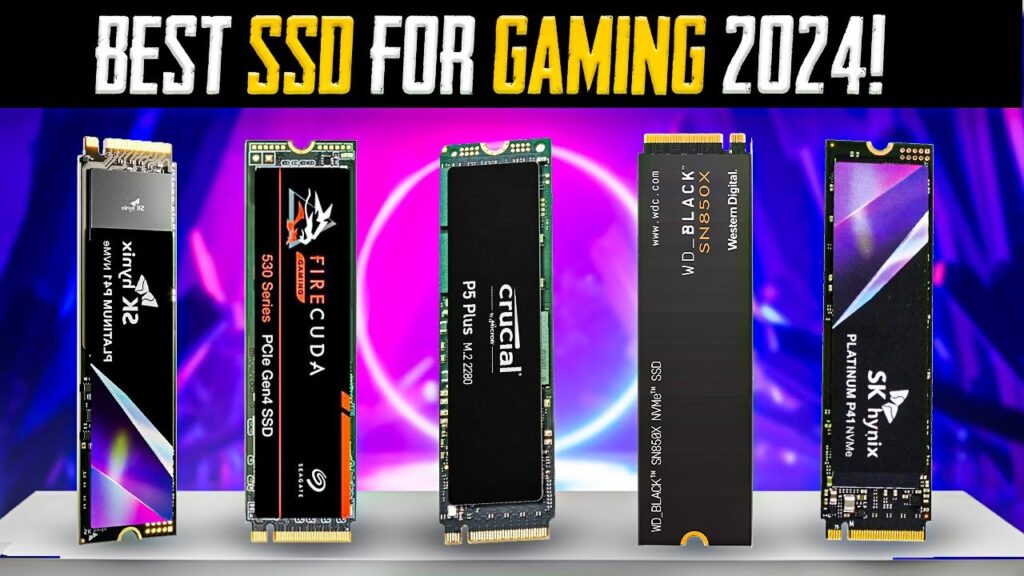
This month, several SSDs are trending among US gamers for their excellent blend of performance and value. For PCIe Gen4, the Samsung 990 Pro, WD Black SN850X, and Crucial T500 are highly favored for their top-tier speeds and reliability, making them great choices for enthusiasts. For budget-conscious gamers, the Crucial P5 Plus or WD Black SN770 are popular Gen4 options that offer significant speed improvements over Gen3 without the premium price of the absolute fastest drives. Even some quality PCIe Gen3 drives like the WD Blue SN570 or Crucial P3 are still highly recommended for those upgrading from an HDD or looking for secondary storage. Gamers are always looking for that sweet spot of performance per dollar, especially with the latest DirectStorage titles on the horizon.
What are some common SSD performance issues and how do I fix them?
Even with a fast SSD, you might encounter performance issues. One common problem is insufficient TRIM support, which helps the SSD manage deleted data; ensure your operating system (Windows 10/11) is up to date and TRIM is enabled (it usually is by default). Another issue can be a nearly full drive; SSDs perform best when they have some free space, so try to keep at least 15-20% empty. Incorrect driver installation or outdated firmware can also hinder performance; check your SSD manufacturer's website for the latest drivers and firmware updates. Lastly, ensure your SSD is installed in the correct M.2 slot if your motherboard has multiple, as some slots might offer faster PCIe lanes (e.g., CPU-connected vs. chipset-connected). A simple fix is often running disk defragmenter in Windows, which, for SSDs, actually runs an optimization command (TRIM) instead of traditional defrag.
Conclusion
So, how fast should an SSD be for gaming? The simple answer is: as fast as your budget and motherboard allow, with a strong emphasis on NVMe PCIe Gen4 for the optimal balance of performance and value in 2026. While extreme Gen5 speeds are exciting, Gen4 is more than capable of delivering lightning-fast load times and smooth gameplay for virtually all current and upcoming titles. Prioritize an NVMe drive, aim for at least 1TB, and remember that any SSD is a huge leap over an HDD. It is all about maximizing your enjoyment in the limited time you have to game, getting you into the action faster and keeping you immersed. What is your biggest gaming challenge with hardware or setup? Comment below!
FAQ Section
Is a 1000MB/s SSD fast enough for gaming?
Yes, a 1000MB/s (1GB/s) SSD, typically a PCIe Gen3 NVMe drive, is still very fast and provides a significant improvement over SATA SSDs or HDDs for gaming load times and overall system responsiveness.
Does RAM speed affect SSD performance for gaming?
RAM speed does not directly affect SSD read/write speeds. However, sufficient and fast RAM is crucial for overall system performance, including loading game assets into memory quickly after they are read from the SSD, ensuring a smoother gaming experience.
How important is IOPS for gaming SSDs?
IOPS (Input/Output Operations Per Second) are very important for gaming SSDs, as games involve many small, random file accesses. High IOPS figures, often found on NVMe drives, contribute significantly to faster texture loading and seamless in-game asset streaming, reducing stutter and pop-in.
Can a gaming laptop benefit from a faster SSD?
Absolutely. Gaming laptops, just like desktops, benefit immensely from faster SSDs, especially NVMe drives. Upgrading to a quicker SSD can dramatically reduce game load times, speed up boot times, and improve overall system responsiveness, making a noticeable difference in portable gaming experiences.
Should I put my operating system on the same SSD as my games?
Yes, it is generally recommended to put your operating system on the same fast NVMe SSD as your most frequently played games. This ensures incredibly fast boot times, quick application launches, and the fastest possible game loading all from one high-performance drive.
What is DirectStorage and how does it relate to SSD speed for gaming?
DirectStorage is a Windows API that allows games to load assets directly from the SSD to the GPU, bypassing the CPU, which dramatically reduces loading times and overhead. It relies on very fast NVMe SSDs (PCIe Gen3 or better) to work effectively, enabling developers to create richer, more detailed game worlds without long loading screens. This technology highlights why SSD speed is becoming increasingly critical for future gaming.
SSD speed directly impacts game load times and texture streaming. NVMe SSDs, especially PCIe Gen4, offer significant advantages over SATA for gaming. Balancing performance with budget is key for most gamers. A fast SSD is a crucial upgrade for modern gaming, reducing frustration and maximizing limited playtime. Consider both read/write speeds and IOPS for optimal gaming performance. Understanding your motherboard's capabilities is essential before upgrading your SSD.
35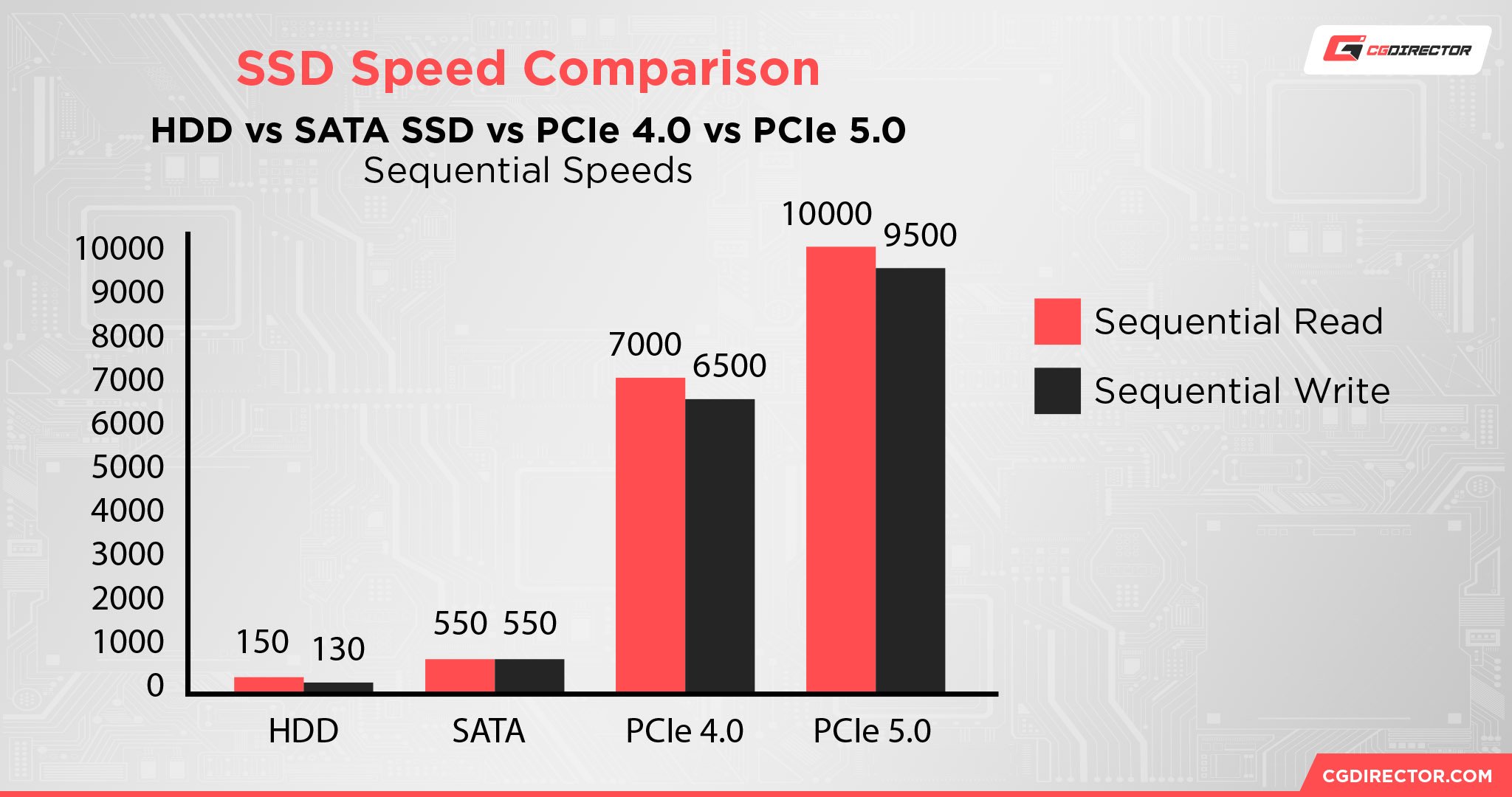


M 2 SSD With PCIe Or SATA Which Should You Get SSD Speed Comparison 2 . The Fastest NVMe SSDs In 2026 Do You Actually Need One SEOon FASTEST NVMe SSDs 2 . Best SSD For Gaming 2026 Best Ssd For Gaming 550x309 . Why Gen 4 SSD Gaming Wins In 2026 Why Gen 4 Ssds Are Still The Sweet Spot For Gaming Banner V1.webp. Entry SSD Picks Fast Affordable 2025 Best Entry Gaming Pc Ssds Balancing Speed And Cost Banner.webp



Best SSDs In 2026 Fast NVMe And Budget SATA Picks Best SSDs In 2026 Fast NVMe And Budget SATA Picks 1 . 10 Best Portable SSDs For Gaming July 2026 Best Portable SSDs For Gaming 768x419 . Best RAM For Gaming 2026 Fast Cheap And RGB Tom S Hardware . Best Hard Drive For Gaming 2026 SSD Vs HD Gaming PC Guru Best M2 Ssds 2025 800x500 . Best Gaming SSDs In 2026 NVMe Speed Sto Gaming PC Guru Best Gaming Ssds Featured



Best Hard Drive For Gaming 2026 SSD Vs HD Gaming PC Guru Best 2tb Nvme Ssd 400x250 . Best Alienware Gaming PC 2026 Out Of This World Aurora Builds . Our Experts Pick The Best SSDs For Gaming In 2026 Speedy Storage To. Best External SSDs For Gaming 2026 U2014 Fast Portable Picks Best External Ssd For Gaming . The Best SSDS For Gaming In 2025 Speak Best Gaming Ssd

10 Best External SSDs For Gaming March 2026 Tested Reviewed Best External SSDs For Gaming 1024x559 . 8 Best External SSDs For Gaming July 2026 Expert Reviews Best External SSDs For Gaming 1024x559 . 10 Best NVMe SSDs For Gaming July 2026 Expert Reviews VVN News B0BHJF2VRN Customer 2 . Best Gaming Desktop Speakers 2026 Premium Gaming PC Guru Best Gaming Ssd Reviewed Compared Hero 400x250 . SSDs Vs HDD Why You Should Upgrade In 2025 Fortune Port Electronics Best SSDs For Gaming Laptops In 2025 1024x576

Best External SSDs For Gaming 2026 U2014 Fast Portable Picks Best Nvme Ssds For Gaming 800x500 . Why RAM And SSD Prices Are Rising In 2026 Why RAM And SSD Prices Are Rising In 2026 . SAS Storage Isn T Dead Yet SAS 24G Adds New Features For Next Gen . 12 Best Gaming SSDs 2026 Expert Reviewed Drives Tested B0DC8VPSHV Customer 1 3 768x1024 . Best Gaming SSD 2024 For Seamless Speed And Power Lucky Falcon Best SSD For Gaming 2024 1024x576

12 Best Gaming SSDs 2026 Expert Reviewed Drives Tested B0B7CQ2CHH Customer 1 2 300x214 . Please Stop Wasting Money On Fast SSDs For Gaming Techy101 Please Stop Wasting Money On Fast SSDs For Gaming 1024x576 . Best Hard Drive For Gaming 2026 SSD Vs HD Gaming PC Guru Best Pcie 5 Ssds 800x500 . Best M 2 SSDs For Gaming In 2026 My Top Picks For Blazing Fast Storage 840 80 . Best SSDs For PS5 In 2026 Speed Meets Value Best Ssds For Ps5 In 2026 Speed Meets Value

Best Portable SSDs For Gaming 2026 U2014 Fast Rugged Picks Best Portable Ssd For Gaming . Best Gaming SSD 2024 For Seamless Speed And Power Lucky Falcon Best Gaming SSD 2024 1024x576 . Top High Speed SSDs For 2025 Top SSDs To Upgrade Your Laptop In 2026 . 12 Best Gaming SSDs 2026 Expert Reviewed Drives Tested B0BHJJ9Y77 Customer 2 2 300x189 . 10 Best SSDs For Gaming In 2026 Picked By Experts Copy Of Copy Of Copy Of Copy Of Copy Of TV Sale Empire 4